Why Fabric Weight Matters in Tailoring: GSM Explained
You see two wool coats. Same color, same style, same price. One feels substantial in your hands. The other feels lighter, almost insubstantial.
The difference isn't quality, necessarily. It's weight. And weight determines almost everything about how the garment will perform.
Whether a coat holds structure or collapses. Whether trousers drape elegantly or hang limply. Whether a blazer frames your body or just covers it. These outcomes are decided largely by fabric weight, measured in grams per square meter, or GSM.
Understanding fabric weight changes how you evaluate clothing. Here's what you actually need to know.
What GSM Means (And Why It Matters)
GSM stands for grams per square meter. It's the weight of one square meter of fabric, measured in grams.
Why this measurement exists:
Fabric weight affects every aspect of how a garment performs. How it drapes, how it holds shape, how warm it is, how it feels against skin, how long it lasts. You need a standardized way to compare fabrics, and GSM provides that.
A 200gsm wool feels completely different from a 400gsm wool, even if both are the same fiber content and weave. The additional weight creates different properties, different behavior, different capabilities.
How GSM is measured:
Take a piece of fabric measuring exactly one meter by one meter. Weigh it. That weight in grams is the GSM.
This measurement is objective and consistent. A 300gsm wool from one mill should feel approximately the same as a 300gsm wool from another mill, assuming similar weave and construction. It's a reliable way to compare across different fabrics and manufacturers.
Why it's more useful than other measurements:
You might see fabric weight measured in ounces per square yard, particularly in denim or American mills. This is the same concept, different units. GSM is simply more standardized globally and easier to work with mathematically.
Some fabrics list thread count instead of weight. Thread count matters for certain fabrics like cotton shirting, but it doesn't tell you about weight or hand-feel in the way GSM does. Two fabrics can have the same thread count but completely different weights if the yarn thickness differs.
GSM tells you immediately what kind of fabric you're dealing with. Light, medium, heavy, each with predictable characteristics and appropriate uses.
Light Fabrics: Under 200gsm
Lightweight fabrics typically range from 100gsm to 200gsm, though some can go even lighter.
Characteristics:
Lightweight fabrics are breathable, drapey, and comfortable in warm weather. They move easily, don't restrict, and pack well for travel. They create soft silhouettes rather than structured ones.
The thinness means they're less opaque. Light fabrics often require lining or careful consideration of what's worn underneath. They're less forgiving of body imperfections, showing contours rather than skimming over them.
Common uses:
Summer shirting: Lightweight cotton, linen, or silk shirts for warm weather. Breathable and comfortable but not structured.
Lining fabrics: Silk or synthetic linings are typically 80gsm to 120gsm. Light enough to layer inside garments without adding bulk.
Lightweight wool suiting: Tropical wool for summer suits, usually 180gsm to 220gsm. Provides some structure but remains breathable.
Silk blouses and dresses: Most silk charmeuse or crepe de chine falls in the 100gsm to 160gsm range. Elegant drape, minimal structure.
Strengths:
Breathability makes them ideal for warm climates or layering. They're comfortable against skin and don't feel restrictive. The drape creates elegant, flowing silhouettes when that's the design intent.
Limitations:
They wrinkle easily and don't hold crisp lines. They can't support structured tailoring without significant internal support. They're less durable than heavier fabrics, more prone to tearing or wearing thin. They often show wear sooner, particularly in high-friction areas.
When to choose lightweight:
When comfort and breathability are priorities. When you want drape and movement rather than structure. When layering under other garments. When climate or season demands it.
Don't choose lightweight fabrics when you need the garment to hold a specific shape, provide warmth, or withstand heavy use.
Medium Weight Fabrics: 200gsm to 350gsm
Medium weight fabrics occupy the versatile middle ground, appropriate for the widest range of uses.
Characteristics:
Medium weight fabrics balance structure with comfort. They have enough body to hold some shape but remain comfortable to wear. They're opaque without being heavy. They work across multiple seasons with appropriate layering.
These fabrics are the workhorses of most wardrobes. Substantial enough to feel quality, light enough to wear comfortably. They accommodate both casual and formal contexts depending on fiber and weave.
Common uses:
Year-round suiting: Most suit fabrics fall in the 240gsm to 300gsm range. Structured enough for tailoring, comfortable enough for extended wear.
Dress fabrics: Medium weight wool, cotton, or linen for dresses that need some structure but aren't outerwear.
Shirting: Heavier oxford cloth, flannel, or chambray shirts typically sit around 200gsm to 250gsm. More substantial than summer shirting.
Lightweight outerwear: Unlined jackets, blazers for transitional seasons. Enough weight to feel like a layer but not heavy enough for winter.
Strengths:
Versatility is the main advantage. Medium weight fabrics work for more applications than light or heavy fabrics. They provide some structure without stiffness. They're durable enough for regular wear. They work across seasons with layering adjustments.
They also age well. Medium weight fabrics develop character without becoming fragile. They can be worn frequently without showing wear as quickly as lighter fabrics.
Limitations:
They don't excel at extremes. Not as breathable as lightweight fabrics, not as warm or structured as heavyweight fabrics. They're compromises, excellent for general use but not specialized performance.
For very cold weather, they need layering. For very hot weather, they might be too warm. For highly structured garments like heavy coats, they lack the necessary body.
When to choose medium weight:
For garments you'll wear frequently across multiple seasons. For pieces that need to work in various contexts. For building a versatile wardrobe where garments need to serve multiple purposes.
Medium weight is the safe choice when you're unsure. It's rarely wrong, even if it's not always optimal.
Heavy Fabrics: 350gsm and Above
Heavy fabrics start around 350gsm and can exceed 600gsm for very substantial materials like heavy coating fabrics.
Characteristics:
Heavy fabrics have presence. They hold shape independent of the body. They provide warmth through density. They move differently, with weight and intentionality rather than flow.
The thickness means they're completely opaque. They show texture beautifully, the weight allowing complex weaves to be visible and tactile. They feel substantial in hand and on body.
Common uses:
Winter coats: The primary use for heavy fabrics. Coats in the 400gsm to 550gsm range provide warmth, structure, and wind resistance.
Heavy blazers and jackets: Structured outerwear that needs to frame the body and maintain silhouette. Usually 350gsm to 450gsm.
Winter trousers: Heavy wool trousers for cold weather, typically 350gsm to 400gsm. Provide warmth and structure.
Upholstery and bags: Very heavy fabrics, sometimes exceeding 600gsm, used for items that need extreme durability.
Strengths:
Structure is the defining advantage. Heavy fabrics create and maintain shape. A heavy wool coat hangs beautifully on a hanger and on the body, maintaining its intended silhouette regardless of movement.
Warmth comes naturally from density. Air trapped between fibers provides insulation. Heavy fabrics are warm without bulk, particularly wool which insulates efficiently even at high weights.
Durability is exceptional. Heavy fabrics withstand wear, friction, and stress better than lighter alternatives. They last decades with proper care, developing patina without deteriorating.
Limitations:
They're not comfortable in warm weather. Heavy fabrics are too warm for most climates beyond autumn and winter. They can feel restrictive if not cut properly, the weight pulling on shoulders or restricting movement.
They're expensive. More material means higher cost. A 400gsm wool coat requires significantly more fiber than a 200gsm wool jacket.
They require proper construction. Heavy fabrics amplify construction errors. Poor tailoring shows immediately. Seams must be finished correctly or the weight causes problems.
When to choose heavy weight:
When you need structure independent of the body. When warmth is essential. When you want a garment to last decades. When you're making outerwear or structured pieces where the fabric must do significant work.
Don't choose heavy fabrics for summer, for garments worn close to skin, or when comfort and ease of movement are priorities over structure.
Why Heavy Wool Creates Structure: The Physics
Understanding why heavy wool specifically creates structure requires looking at how fabric weight interacts with fiber properties.
Wool's natural characteristics:
Wool fibers are crimped, creating elasticity and resilience. They spring back when compressed. This property is present in all wool, but it's amplified in heavy wool.
Wool has natural body, meaning it doesn't collapse or lie flat easily. The crimp creates air pockets that give the fabric presence even when not under tension.
How weight amplifies structure:
In lightweight wool, the fibers can still collapse somewhat. The fabric can fold easily, wrinkle readily, and doesn't resist deformation much.
In heavyweight wool, the density of fibers creates mass that resists folding and wrinkling. The fabric wants to maintain its form because the sheer number of fibers provides structural integrity.
The architectural effect:
Heavy wool acts almost architecturally in garments. It doesn't drape over the body; it frames the body. A 400gsm wool coat maintains its shoulder line, lapel roll, and overall silhouette whether you're wearing it or it's hanging empty.
This is why structured garments like coats and tailored jackets use heavy wool. The fabric does the work of creating shape, reducing the need for excessive internal structure like canvas or padding.
Practical example:
Take two coat patterns, identical in every way except fabric weight. Make one in 200gsm wool, one in 400gsm wool.
The 200gsm version will require significant internal structure. Canvas interfacing, shoulder pads, chest pieces, all to create the shape the lightweight fabric can't maintain alone.
The 400gsm version needs minimal internal structure. The fabric weight provides inherent shape. The coat looks structured because the fabric is structural, not because of what's hidden inside.
This is why Bradic uses 400gsm wool for outerwear. The weight creates the architectural lines we design for without requiring heavy internal construction. The garment is lighter to wear than you'd expect from its structured appearance because the structure comes from the fabric, not added layers.
When Lightweight Fabrics Work Better
Heavy isn't always better. Lightweight fabrics are correct choices in specific contexts.
Layering:
When a garment will be worn under other layers, lightweight makes sense. A lightweight merino base layer under a shirt under a sweater under a coat. Each layer adds warmth, but none should be heavy or you'll be restricted and overheated.
Warm climates:
Obviously, lightweight fabrics breathe better. In hot weather, a 120gsm linen shirt is appropriate while a 300gsm linen shirt would be uncomfortable.
Drape-focused designs:
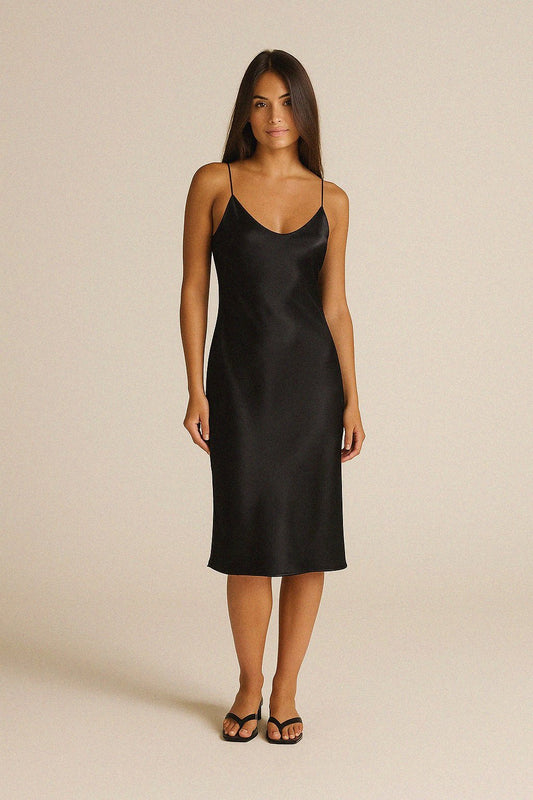
Some garments are meant to flow and move. Bias-cut silk dresses require lightweight silk to achieve the intended drape. Heavy silk would defeat the purpose, creating structure when you want fluidity.
Travel:
Lightweight fabrics pack smaller and weigh less in luggage. A lightweight merino sweater can compress to almost nothing while still providing warmth when layered.
Skin-adjacent garments:
Items worn directly against skin, like undergarments or linings, should be lightweight. Heavy fabrics against skin can be uncomfortable, restrictive, and too warm.
The principle:
Choose fabric weight based on what the garment needs to do. If structure is essential, heavy is better. If drape, breathability, or layering is essential, lightweight is better. The fabric should serve the garment's purpose, not work against it.
Choosing the Right Fabric Weight for Different Garments
Here's a practical guide to appropriate fabric weights for common garments.
Coats:
Winter coats benefit from 400gsm to 550gsm wool. This provides warmth, structure, and presence. The coat looks intentional and maintains its silhouette.
Transitional coats can use 300gsm to 400gsm. Lighter than winter coats but still structured enough to layer over suits or heavy sweaters.
Summer coats or unlined jackets work at 200gsm to 280gsm. Enough structure to be a coat, light enough to wear in moderate weather.
Blazers and jackets:
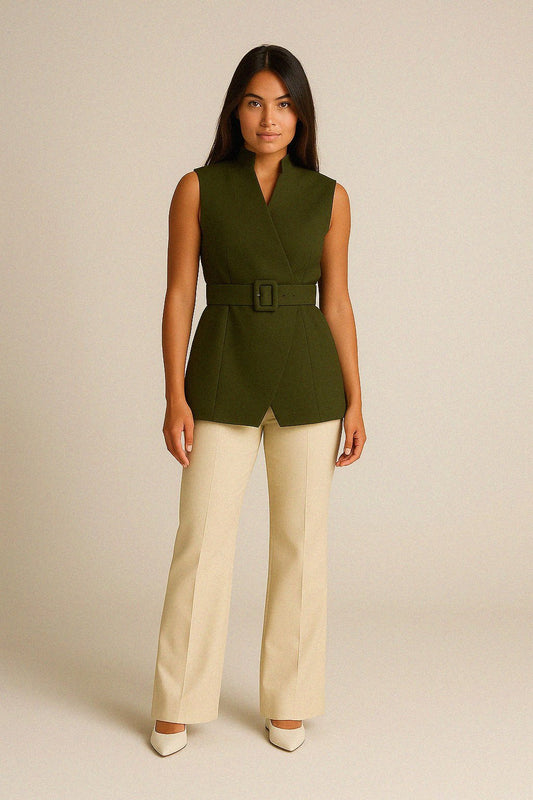
Structured blazers need 280gsm to 350gsm minimum. This allows the blazer to maintain shoulder lines and lapel shape without excessive internal structure.
Casual unlined jackets can work at 220gsm to 280gsm. More relaxed, less structured, but still with enough body to feel like outerwear.
Trousers:
Winter trousers benefit from 300gsm to 350gsm wool. Substantial, warm, holds creases well.
Year-round trousers work at 240gsm to 300gsm. Comfortable across seasons with appropriate layering.
Summer trousers can go as light as 180gsm to 220gsm, particularly in linen or lightweight wool. Breathable and comfortable in heat.
Dresses and skirts:
Depends entirely on the design. Structured dresses need 250gsm to 350gsm. Drapey dresses need 100gsm to 200gsm.
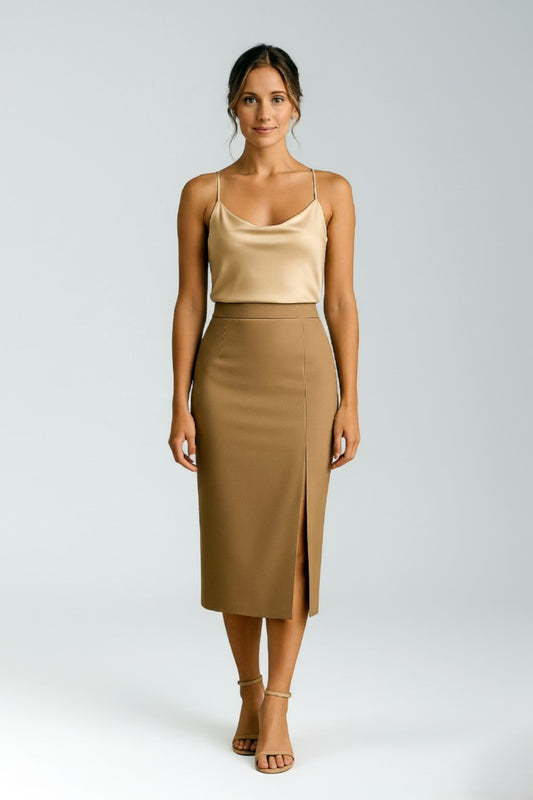
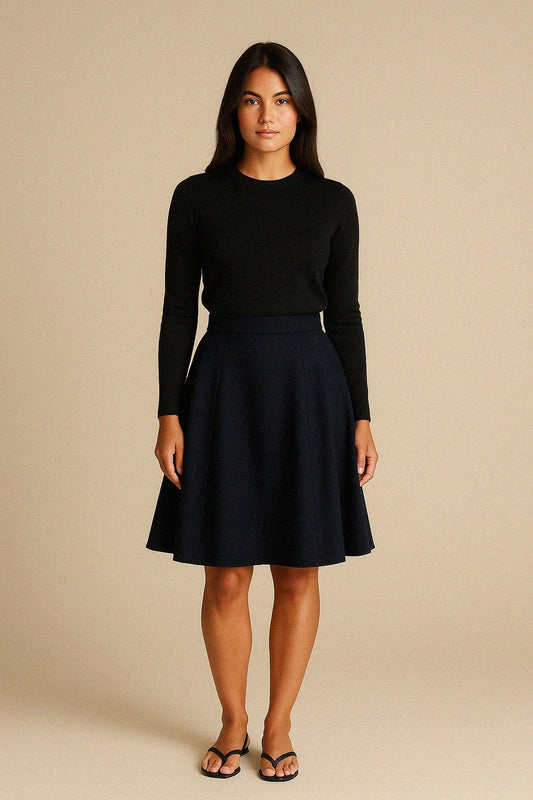
Skirts follow similar logic. A-line or pencil skirts that hold shape need 250gsm to 300gsm. Flowing skirts need 120gsm to 180gsm.
Shirts:
Heavy flannel or oxford cloth shirts sit at 200gsm to 250gsm. Substantial, warm, casual.
Standard dress shirts are 100gsm to 140gsm. Light, breathable, appropriate for layering under jackets.
Summer shirts can be as light as 80gsm to 120gsm in cotton or linen. Maximum breathability.
The general rule:
Outerwear needs heavy. Tailored pieces need medium to heavy. Drape-focused pieces need light to medium. Layering pieces and warm-weather garments need light.
How Fabric Weight Affects Garment Lifespan
Heavier fabrics generally last longer, but the relationship isn't linear.
Why heavy fabrics are durable:
More fiber means more material to wear through. A thin fabric shows wear quickly because there's less material before you reach holes or transparency. Heavy fabrics can wear for years before thinning becomes visible.
Weight often correlates with quality in wool. Mills producing heavy fabrics typically use longer, stronger fibers. The investment in material pushes toward using better raw materials.
Heavy fabrics resist pilling better. Pills form from short fibers working loose and tangling on the surface. Heavy, dense fabrics hold fibers more securely.
When lightweight can be equally durable:
If the fiber quality is exceptional and the weave is tight, lightweight fabrics can last decades. Fine cotton shirting at 120gsm can outlast heavy cotton if the cotton quality is superior.
Lightweight fabrics used appropriately, meaning not subjected to stress they can't handle, last well. A lightweight lining that's protected by heavier outer fabric can last as long as the garment.
The real determinant:
Durability comes from using appropriate weight for the application. A heavy fabric in the wrong application (heavy silk where lightweight silk is correct) won't necessarily last longer and might perform poorly. A lightweight fabric used correctly (lightweight lining, summer shirting) performs excellently.
Match fabric weight to garment purpose, and lifespan follows naturally.
Why We Specify GSM at Bradic
At Bradic, we specify fabric weight because it's fundamental to how garments perform.
When we say a coat is made from 400gsm wool, that tells you immediately what to expect. Structured, substantial, warm, durable. The garment will hold its shape, maintain its silhouette, and last for decades.
When we describe a silk dress as 25mm charmeuse, that translates to approximately 105gsm to 115gsm. You know it will drape beautifully, feel luxurious, and require different care than the 400gsm wool coat.
Transparency about materials includes transparency about weight. It's not enough to say "wool coat." The weight determines whether it's a winter coat or a transitional jacket, whether it's structured or soft, whether it's appropriate for your climate and needs.
We choose specific weights deliberately. A 400gsm wool coat isn't arbitrary. It's the weight that creates the structure we design for while remaining comfortable to wear. A 180gsm linen dress isn't random. It's the weight that drapes correctly while remaining opaque enough for the design.
Knowing fabric weight helps you make informed decisions about what you're buying and how it will serve you.
The Bottom Line on Fabric Weight
Fabric weight determines how a garment performs more than almost any other single factor.
Light fabrics drape, breathe, and work for layering and warm weather. Medium fabrics balance versatility with structure, working across seasons and contexts. Heavy fabrics create structure, warmth, and presence, ideal for outerwear and tailored pieces.
Choose based on purpose:
Ask what the garment needs to do. Hold structure? Heavy. Drape and flow? Light. Work across seasons? Medium. Layer under other pieces? Light. Provide winter warmth? Heavy.
Understand the trade-offs:
No single weight is universally better. Heavy fabrics are durable but hot. Light fabrics are comfortable but delicate. Medium fabrics are versatile but don't excel at extremes.
Look for GSM specifications:
When shopping, ask about fabric weight if it's not listed. Quality brands know and share this information. If they can't tell you, that's a red flag about whether they understand their materials.
Fabric weight isn't everything, but it's fundamental. Get the weight wrong for the application, and the garment won't work well regardless of other factors. Get it right, and you're halfway to a piece that performs beautifully for years.