Linen vs Silk for Summer: Which Fabric Should You Choose and Why?
Miron BradicBoth work for summer. They work differently. Understanding why helps you choose correctly.
The question of linen versus silk for summer clothing is not a matter of one being better than the other. It is a matter of what each fabric does, how it behaves under heat and humidity, and which of those behaviors serves you better in a given context. Both are natural fibers. Both breathe. Both have been used for warm-weather clothing for centuries. The differences between them are specific and measurable.
What Each Fabric Actually Is
Linen is made from the fibers of the flax plant (Linum usitatissimum). The fibers are extracted from the plant's stem through a process called retting, which separates the fiber from the woody core. The resulting fiber is long, strong, and hollow at its core, which is directly relevant to how it manages heat.
Linen fiber length varies significantly by quality. Long-staple linen from European flax, primarily grown in Belgium, France, and the Netherlands, produces a smoother, more durable fabric than shorter-staple alternatives. The fiber's natural color is a warm off-white or grey-brown. It takes dye well but natural and near-natural shades are the most stable.
Silk is produced by the Bombyx mori silkworm, which spins a continuous protein filament up to 1,500 meters long to form its cocoon. These filaments are unwound and twisted into yarn. The resulting fiber is triangular in cross-section, which is why silk refracts light the way it does, producing that characteristic internal glow rather than surface shine.
Mulberry silk, produced by silkworms fed exclusively on white mulberry leaves, is the highest grade. It has finer, more uniform filaments than wild silk varieties and produces a more consistent, smoother fabric. For any silk garment intended to last, mulberry silk is the correct specification.
Fiber Structure and Heat Management
This is the most practically important comparison for summer wear.
Linen's hollow fiber creates a natural ventilation mechanism. As body heat rises, air circulates through the hollow core of each fiber. Linen is also highly absorbent, taking up to 20 percent of its weight in moisture before feeling damp, and then releasing that moisture quickly into the surrounding air. This combination of hollow fiber and fast moisture release is why linen has been the canonical hot-weather fabric across cultures for thousands of years. It actively moves heat and moisture away from the body.
The thermal conductivity of linen is significantly higher than most other natural fibers. High thermal conductivity means the fabric draws heat away from the skin rapidly. In practical terms: linen feels cool to the touch and continues to feel cool during wear in a way that fabrics with lower thermal conductivity do not.
Silk's protein fiber manages heat through a different mechanism. Silk absorbs up to 30 percent of its weight in moisture without feeling damp, which is a higher absorption capacity than linen. However, silk releases moisture more slowly than linen. This slower release means silk regulates temperature more gradually, creating a stable microclimate between the fabric and the skin rather than actively ventilating.
The practical difference: linen moves heat and moisture away from the body actively and quickly. Silk maintains a consistent temperature by buffering heat and moisture rather than expelling it. In dry heat, silk's buffering effect is comfortable. In high humidity where moisture accumulation is the primary discomfort, linen's faster release is more effective.
Weight, Drape, and Hand Feel
Linen is measured in GSM (grams per square meter), the same as most woven fabrics. For summer garments:
|
GSM range |
Typical use |
Characteristics |
|
100-140 GSM |
Blouses, scarves |
Very lightweight, slightly transparent |
|
150-200 GSM |
Shirts, trousers, dresses |
Standard summer weight, good structure |
|
200-250 GSM |
Jackets, structured pieces |
Holds shape, less flow |
|
250+ GSM |
Tailoring, outerwear |
Too heavy for warm weather |
A 160-180 GSM linen is the sweet spot for most summer garments. It has enough weight to hang properly without being oppressive in heat.
Linen's drape is structured rather than fluid. It has a natural stiffness that softens with washing and wear but never disappears entirely. This stiffness is a structural property of the flax fiber, which has a very low elasticity compared to most other natural fibers. Linen wrinkles readily and deeply because of this low elasticity. The fibers do not spring back when compressed. The wrinkling is not a defect. It is inherent to the material and, for most wearers, part of the fabric's character.
Silk is measured in momme (mm), a traditional Japanese unit measuring the weight of 100 yards of silk at 45 inches wide in pounds, converted to grams. The momme system is specific to silk because it allows weight to be communicated independently of weave structure.
|
Momme weight |
Typical use |
Characteristics |
|
6-10mm |
Scarves, linings |
Very lightweight, delicate |
|
12-16mm |
Blouses, camisoles |
Lightweight, acceptable for occasional wear |
|
16-19mm |
Quality blouses, casual dresses |
Good weight, better durability |
|
19-22mm |
Slip dresses, quality garments |
Substantial drape, good longevity |
|
22-25mm |
Premium garments, investment pieces |
Best balance of drape and durability |
|
25mm+ |
Heavy silk, structured pieces |
Exceptional drape, maximum longevity |
For a summer slip dress or blouse intended to last years, 19mm is the minimum worth considering. Below this weight, the fabric will show wear more quickly and lacks the drape weight that makes silk look the way it is supposed to look.

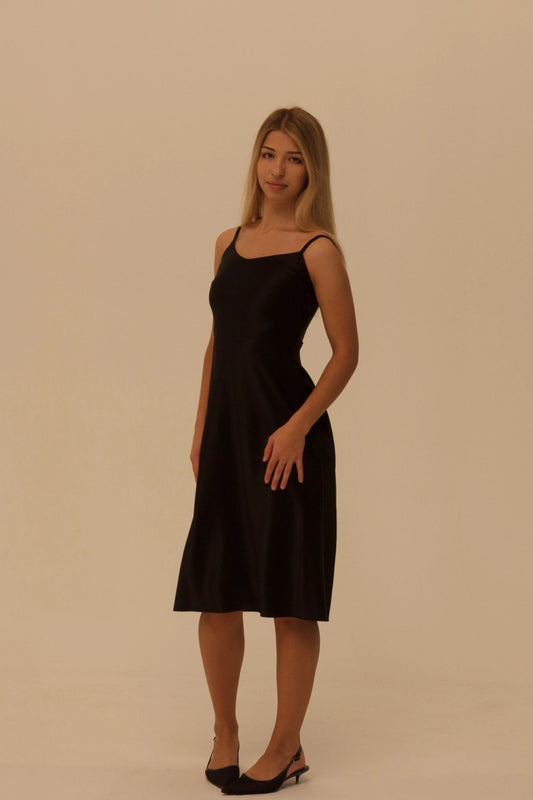
Silk drapes fluidly and moves with the body. Its low friction surface creates the characteristic flow that linen cannot replicate. The triangular fiber cross-section also means silk does not wrinkle the way linen does. It creases, particularly in bias-cut constructions, but the creases fall out with gentle steaming or even with the heat of wearing. For garments where clean, fluid appearance throughout the day is important, silk's wrinkle recovery is a significant practical advantage over linen.
Texture Comparison
Linen texture is determined by yarn quality and weave. Lower-quality linen has visible slubs, irregular thick spots in the yarn where shorter fibers bundle together. These slubs are not necessarily a defect in an aesthetic sense, many buyers find them attractive, but they indicate lower-grade fiber. High-quality linen from long-staple European flax has a smoother, more even surface with minimal slubbing.
The feel of quality linen against skin is cool and slightly textured. Some people describe it as crisp. It becomes softer with washing, a process called breaking in, and quality linen's texture after several washes is significantly softer than when new. Cheap linen, made from shorter fibers, can feel rough or scratchy against skin and improves less with washing.
Silk texture is determined primarily by momme weight and weave structure. The two most common weave types for garments are:
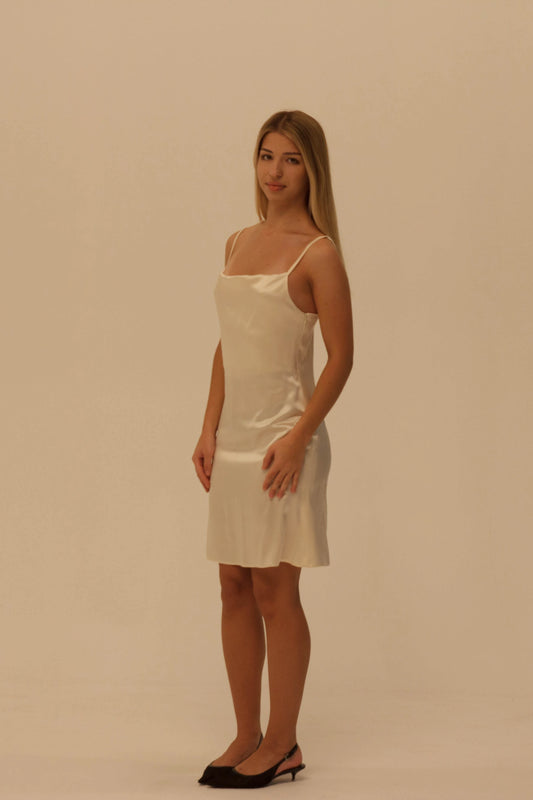
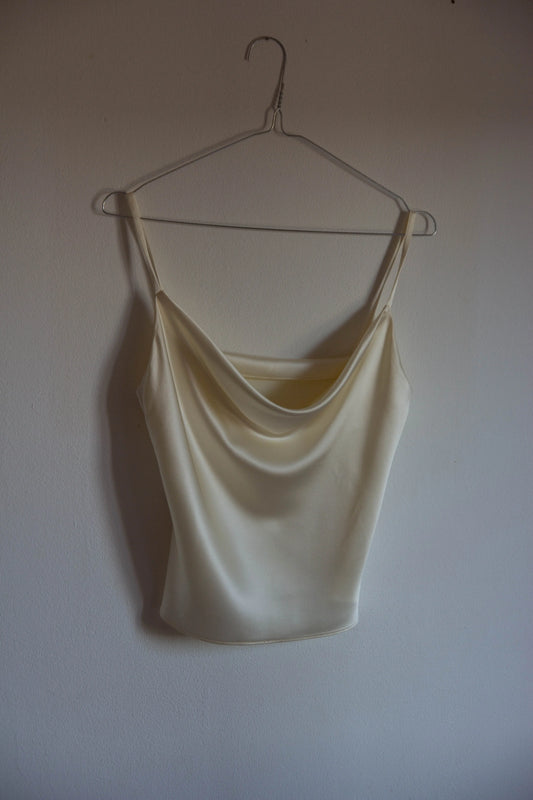
Charmeuse weave: Four-over-one satin weave. Produces the smooth, liquid surface that most people picture when they think of silk. Very high sheen, extremely fluid drape. The reverse side is duller. Used for slip dresses, blouses, lingerie.
Habotai weave (also called China silk): Plain weave. More matte surface than charmeuse, lighter and less drapey, less lustrous. Used for linings and lighter garments. Less suitable for investment pieces due to lighter weight.
For summer garments, charmeuse at 19mm or above is the specification that produces the quality of feel and appearance associated with good silk. Below this weight or in a plain weave, the result is noticeably different.
Durability and Care
Linen durability is exceptional. It is one of the strongest natural fibers, and unlike most other natural fibers, linen actually gets stronger when wet. It resists abrasion well and, with proper care, lasts decades. Vintage linen from the early twentieth century survives in wearable condition regularly.
Linen care is comparatively low-maintenance. It is washable, typically in cool to warm water (follow care label specifications for the particular weave and construction). It dries quickly and does not require specialist treatment. It does not shrink significantly after the first wash if not exposed to high heat. Storage is simple: clean before storing, fold or hang in a breathable environment, avoid plastic bags which trap moisture.
The linen weakness is its wrinkle propensity. If unwrinkled appearance is a requirement throughout the day, linen will require pressing or steaming between wears or acceptance of visible creasing by mid-morning.

Silk durability is more context-dependent. The silk filament itself is exceptionally strong, stronger than steel of the same diameter by weight, but this strength is compromised by several specific threats. Heat weakens the protein fiber structure. UV exposure degrades the protein, causing fading and fiber brittleness over time. Alkaline detergents (most standard laundry detergents) break down the protein structure. Chlorine bleach destroys silk entirely.
Correctly cared for silk at proper momme weight lasts 20 to 30 years or more. Incorrectly cared for silk degrades within seasons. The care requirements are specific and non-negotiable: cool water only (maximum 30°C), pH-neutral detergent, no wringing, flat drying away from sunlight, no machine drying.
This asymmetry, linen's relative care simplicity versus silk's strict requirements, is a meaningful practical consideration. For a piece that will be worn frequently in varied conditions, including travel, outdoor settings, or any situation where immediate access to careful laundering is not guaranteed, linen is the more robust choice.
Performance in Specific Conditions
Dry heat (hot weather with low humidity, Mediterranean summer, air-conditioned interiors): Both fabrics perform well. Silk's temperature-buffering and smooth surface make it particularly comfortable in these conditions. Linen also works but its higher thermal conductivity, which is an advantage in humid conditions, is less critical when ambient humidity is low.
Humid heat (tropical or subtropical conditions, high humidity): Linen's faster moisture release gives it a clear practical advantage. The hollow fiber ventilation and rapid evaporation prevent the accumulation of sweat against the skin that makes high humidity uncomfortable. Silk absorbs moisture well but releases it more slowly, which in very high humidity can result in the fabric feeling heavier and clinging as moisture accumulates.
Variable conditions (moving between outdoor heat and air-conditioned interiors): Silk's temperature-buffering performs better here. The sudden temperature change between a 35°C outdoor environment and a 22°C air-conditioned restaurant is managed more comfortably by a fabric that moderates temperature gradually. Linen's high thermal conductivity, which expels heat rapidly, can feel cold in this transition.
Physical activity or movement-heavy days: Linen is more appropriate. It is more forgiving of sweat, dries faster, and is less vulnerable to the damage that excessive moisture can cause to silk over time.
Formal or evening settings: Silk, specifically charmeuse or satin weave at proper momme weight, is appropriate in a way that linen is not for most formal occasions. The drape, the surface quality, and the fluid movement of silk read as evening or occasion wear. Linen reads as casual, regardless of how high the quality or how minimal the design.
Appearance Over Time Within a Day
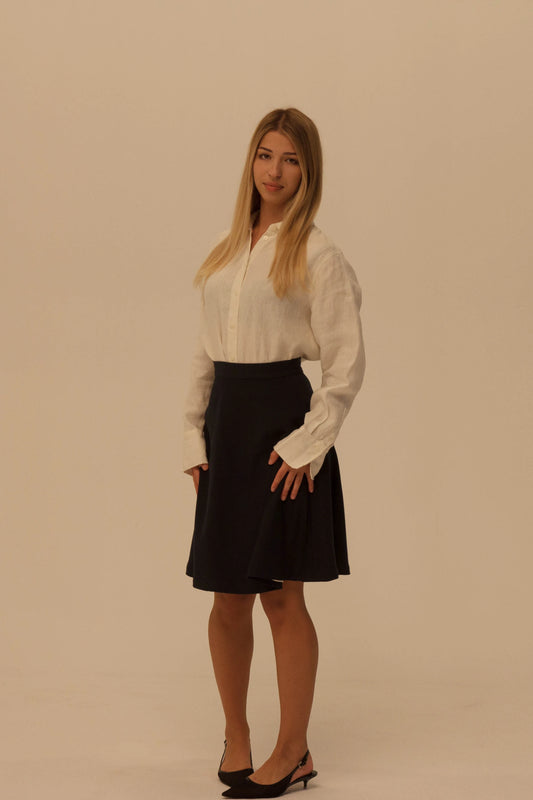
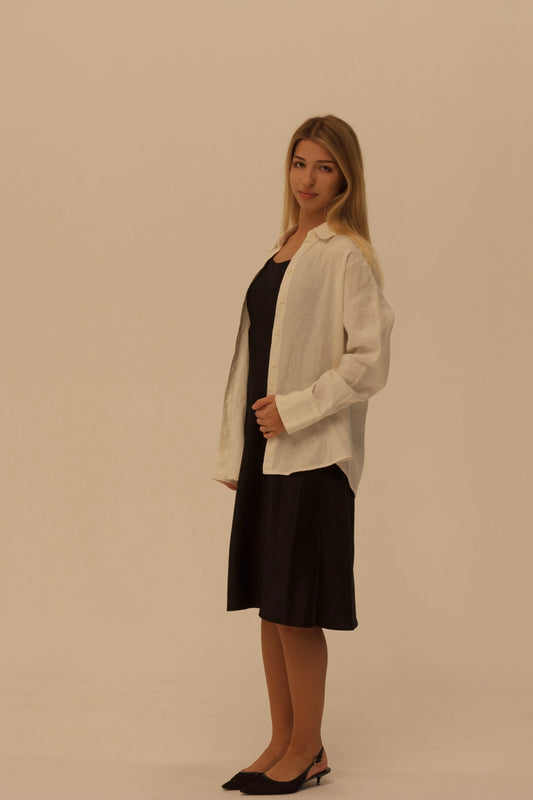
Linen wrinkles visibly within hours of wearing. The degree depends on GSM (heavier linen wrinkles less readily) and construction (relaxed cuts wrinkle more gracefully than tailored ones). By mid-afternoon, a linen dress or shirt will show creasing at the waist from sitting, at the elbows from movement, and across the lap. This is not a quality indicator. It is a fiber property. Many wearers consider relaxed linen wrinkles part of the fabric's aesthetic character. Others find it unacceptable in professional or formal contexts.
Silk maintains its appearance significantly better across a day. Charmeuse and similar weaves release minor creases with body heat and movement. A silk dress worn for eight hours will look substantially similar to how it looked in the morning, provided the wearer has not been sitting in a compressed position for extended periods. This appearance retention is one of the strongest practical arguments for silk in professional or event contexts.
Price and Value Comparison
Linen pricing reflects fiber quality, origin, and weave construction. High-quality European flax linen from Belgian or French mills is significantly more expensive than lower-grade linen from other origins. The price range for quality linen fabric is wide, but quality construction from good-origin linen is not cheap. Finished garments in quality linen at a small-production level range from approximately €150 to €500 depending on complexity.
Silk pricing reflects momme weight, silk grade, and construction. Mulberry silk at 19mm or above costs considerably more per meter than most linen, even at equivalent quality levels. This cost reflects the production constraints: one silkworm produces enough filament for approximately one-third of a blouse. Finished garments in quality mulberry silk at proper weight range from approximately €250 to €1,500 or more depending on construction complexity and specification.
The cost-per-wear comparison depends entirely on care and usage. Quality linen cared for correctly lasts decades and tolerates more casual care, making it economical for frequent summer wear across many seasons. Quality silk at proper momme weight also lasts decades but requires consistent careful handling to reach that longevity.
Which to Choose
Choose linen when:
The wear context involves physical activity, outdoor settings, or high humidity. Care will be variable or casual (travel, frequent wear, conditions where careful hand washing is not guaranteed). Wrinkling is acceptable or preferred aesthetically. The garment is intended for daytime, casual, or relaxed contexts. Budget is a meaningful constraint and longevity with lower-maintenance care is the priority.
Choose silk when:
The context is formal, evening, or professional. Appearance maintenance across a full day is important. The wearer moves between hot outdoor and cool air-conditioned environments. Drape and fluid movement are a priority in the design. The wearer is committed to and capable of careful maintenance over years.
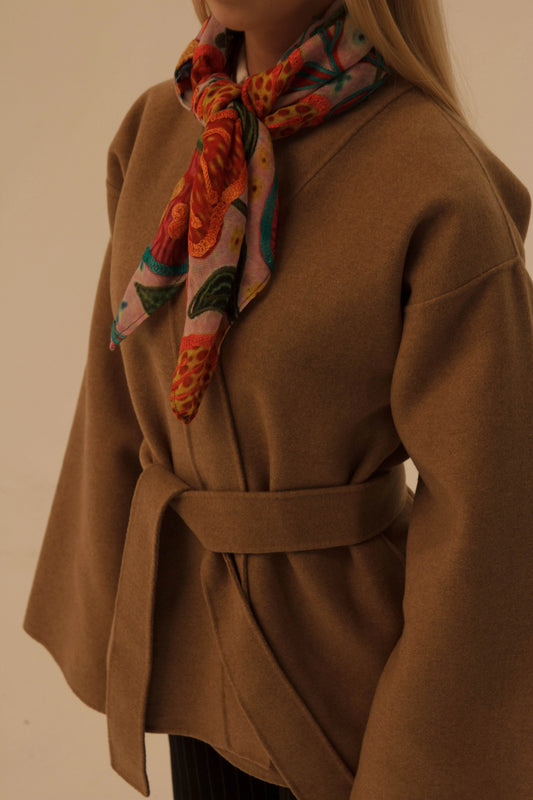
For Bradic's summer offer specifically: the Essentials and RTW pieces in linen serve the high-frequency, casual, everyday summer wardrobe, dresses and shirts worn often, washed regularly, and kept for their ease and texture. Silk pieces, made-to-measure at 25mm mulberry, serve the occasion layer: garments worn for specific events or contexts where appearance and fit precision matter, and where the wearer's relationship with the piece involves the care that the material requires.
Both categories are useful. Neither substitutes for the other.