Made-to-Measure vs Ready-to-Wear: Which Is Worth It?
Standing in a boutique fitting room, you're confronted with a familiar dilemma. The dress looks beautiful on the hanger, the fabric is luxurious, and the price—while high—seems justified. But when you try it on, something isn't quite right. The waist hits two inches too low, the shoulders gape slightly, the length pools awkwardly at your feet. It's an 8, but you're somewhere between an 8 and a 10 in the hips. "Close enough," you think, already calculating the alterations you'll need.
This scenario plays out in luxury retail every day. Even when spending hundreds or thousands on a premium garment, most women resign themselves to fit compromises because ready-to-wear fashion operates on standardized sizing—a one-size-fits-all approach to bodies that are anything but standard.
But there's an alternative that's been quietly gaining momentum among discerning fashion consumers: made-to-measure. Once the exclusive domain of couture clients and menswear traditionalists, custom-tailored women's fashion is experiencing a renaissance. The question is no longer whether made-to-measure is worth considering, but rather: for which pieces does it make financial and practical sense?
In this comprehensive guide, we'll demystify both approaches, examine their respective advantages, and help you determine when investing in made-to-measure delivers genuine value versus when ready-to-wear suffices perfectly well.
Defining the Terms: What Each Really Means
Before comparing the two, let's clarify exactly what we mean by made-to-measure and ready-to-wear, as confusion often clouds these discussions.
Ready-to-Wear (RTW)
Ready-to-wear—also called prêt-à-porter—refers to garments manufactured in standard sizes and sold in finished form. This encompasses everything from fast fashion to luxury designer collections. The key characteristic: these clothes are made before you buy them, in predetermined sizes meant to fit a range of body types.
The RTW spectrum includes:
- Fast fashion: Mass-produced, trend-focused pieces (Zara, H&M)
- Contemporary brands: Mid-range quality with better construction (COS, & Other Stories)
- Designer ready-to-wear: Luxury brands' seasonal collections (Prada, Max Mara, The Row)
- Bridge lines: Diffusion labels from high-end houses (Armani Exchange, See by Chloé)
Even at the luxury end, ready-to-wear follows the same fundamental principle: one design is produced in multiple sizes based on industry-standard measurements. A size 6 from Prada will have specific chest, waist, and hip measurements that Prada has determined represent a size 6 body.
Made-to-Measure (MTM)
Made-to-measure sits between ready-to-wear and bespoke (fully custom). With MTM, the garment is created after purchase based on your specific measurements, using an existing pattern as the foundation that's then adjusted to fit your unique proportions.
Key MTM characteristics:
- Garment is cut and sewn after you order
- Based on your exact measurements
- Uses a master pattern adjusted for your body
- Limited design customization (fabric, minor details)
- More affordable than fully bespoke
- Production timeline of several weeks
Made-to-measure vs. Bespoke: True bespoke is entirely custom—the pattern is created from scratch for your body, with multiple fittings and unlimited design options. MTM uses refined base patterns adapted to your measurements, making it faster and more affordable while still delivering personalized fit.
For most luxury consumers, made-to-measure offers the ideal middle ground: significantly better fit than ready-to-wear without bespoke's time commitment and cost.
The Case for Made-to-Measure: Real Advantages
Now let's examine why made-to-measure is worth considering, particularly for investment pieces meant to last years or decades.
1. Perfect Fit for Your Actual Body
This is the primary and most obvious advantage, yet its significance cannot be overstated. Your body has unique proportions that standard sizing simply cannot accommodate.
Consider how many variables affect fit:
- Shoulder width and slope
- Bust placement and fullness
- Torso length (short, regular, long)
- Waist position and definition
- Hip curve and fullness
- Arm length and shape
- Back width and posture
- Overall height
Ready-to-wear sizes account for perhaps three of these variables (bust, waist, hip), and even then only approximately. Made-to-measure considers all of them.
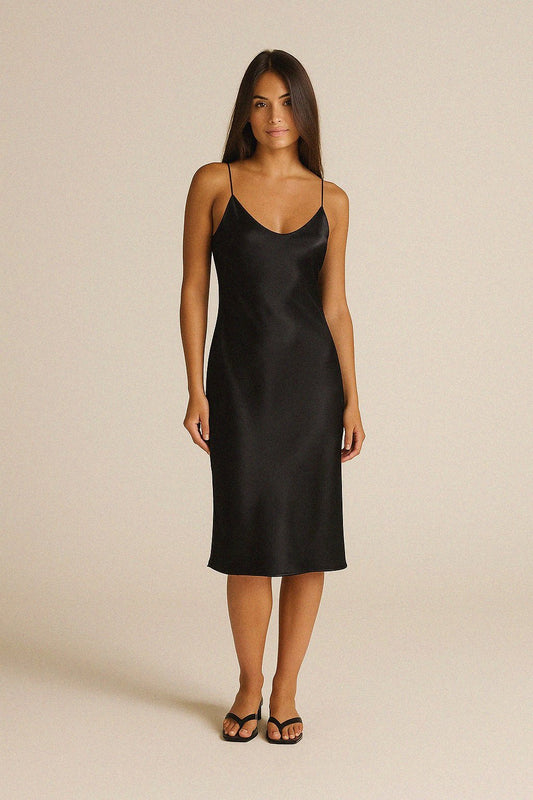
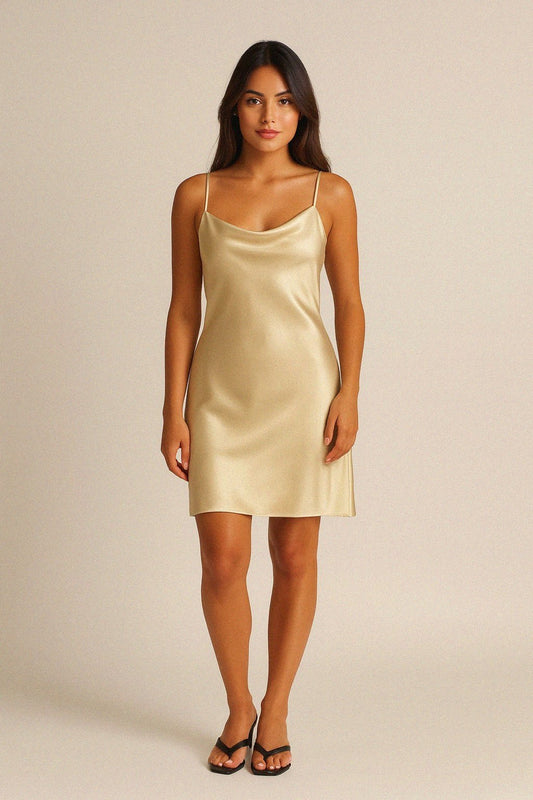
The real-world impact: A silk slip dress cut to your exact measurements will skim your curves precisely where intended, fall at the exact length you specified, and accommodate your posture and proportions. No gaping, no pulling, no "it's close but..." compromises.
For bias-cut garments especially, where the fabric's drape depends entirely on precise fit, this customization transforms good into exceptional. The difference between a slip dress in your approximate size versus one tailored to your body is the difference between attractive and transcendent.
2. Longevity and Cost-Per-Wear
Quality made-to-measure pieces last longer than ready-to-wear equivalents, even at the same price point.
Why MTM lasts:
- Better fit reduces stress points: When a garment fits properly, fabric doesn't strain at seams or pull across tight areas—common failure points in ill-fitting RTW
- Higher construction standards: MTM ateliers typically use superior techniques (hand-finishing, reinforced stress points, quality thread)
- Premium materials: Made-to-measure often features higher-grade fabrics (like 25 momme mulberry silk rather than lighter weights)
- Emotional durability: You'll wear and care for a piece that fits perfectly far longer than one that's "good enough"
The cost-per-wear calculation: Consider a €1,400 made-to-measure silk dress worn 50 times over 15 years (€28 per wear) versus a €600 RTW version that fits poorly, gets worn 20 times over 5 years before replacement (€30 per wear). The MTM piece actually costs less per wear while delivering dramatically better experience.
3. Sustainability and Conscious Consumption
Made-to-measure inherently addresses fashion's overproduction crisis.
The environmental case:
- Zero waste sizing: No unsold inventory sitting in warehouses, eventually discarded
- No samples and returns: Retail fashion depends on producing multiple sizes; MTM produces exactly one garment—yours
- Reduced shipping: One piece shipped once, versus the try-order-return cycle of online RTW shopping
- Slow fashion principles: The weeks-long production timeline encourages thoughtful purchasing rather than impulse buying
- Longevity: Garments you wear for decades don't end up in landfills
For consumers increasingly conscious of fashion's environmental impact, made-to-measure offers a guilt-free luxury experience. You're not contributing to overproduction or waste—you're commissioning exactly what you need and will cherish.
4. Exclusivity and Individual Expression
In an era of mass production, there's value in owning something created specifically for you.
Made-to-measure pieces carry an inherent exclusivity that no ready-to-wear garment—even from ultra-luxury brands—can match. When you wear a bias-cut slip dress tailored to your measurements, you're wearing something literally unique. No one else owns that exact garment.
This quiet luxury approach appeals to consumers who value refinement over recognition. There's no logo declaring your wealth, but anyone who understands quality will recognize impeccable fit and craftsmanship. It's the ultimate expression of "if you know, you know."
5. Body Confidence and Comfort
Perhaps the most undervalued advantage: how you feel wearing perfectly fitted clothing.
Women consistently report that made-to-measure garments make them feel more confident, comfortable, and authentically themselves. When you're not constantly adjusting a too-loose waist or self-consciously tugging at too-tight hips, you can focus on enjoying the moment.
The psychological impact of wearing clothes that fit shouldn't be dismissed as frivolous—it's genuinely meaningful. That "I feel amazing in this" sensation is part of what you're investing in.
The Case for Ready-to-Wear: When It Makes Sense
Despite made-to-measure's advantages, ready-to-wear absolutely has its place in a thoughtful wardrobe.
Instant Gratification
The most obvious RTW advantage: you can buy it and wear it immediately. No waiting, no measurement process, no anticipation. For event-driven purchases or spontaneous style updates, this immediacy is invaluable.
Try Before You Buy
With ready-to-wear, you can physically examine, touch, and try on the garment before committing. You see exactly how the fabric drapes, whether the color suits you, how the silhouette looks on your body. This eliminates guesswork and buyer's remorse risk.
Price Accessibility
While luxury RTW isn't cheap, it's generally more affordable than equivalent made-to-measure pieces. For trend-driven items or pieces you'll wear occasionally, this lower price point makes experimentation possible.
Lower Commitment
RTW requires less psychological commitment. If you later decide the style doesn't suit you or your taste evolves, you haven't invested the emotional energy of commissioning something custom.
Variety and Discovery
Shopping ready-to-wear allows serendipitous discovery—finding pieces you didn't know you wanted. Browsing boutiques or online stores exposes you to styles, colors, and designers you might never have considered for custom creation.
When Made-to-Measure Is Worth the Investment
Not every garment justifies made-to-measure. Here's when it makes compelling sense:
Investment Pieces You'll Wear Repeatedly
Items like:
- A perfect silk slip dress (versatile, timeless, special-occasion)
- A tailored wool coat (worn every winter for years)
- Classic silk blouses (wardrobe workhorses)
- An elegant evening gown (for recurring formal events)
These pieces justify MTM's cost and wait time because you'll wear them dozens or hundreds of times over many years. The fit perfection pays dividends with every wear.
Difficult-to-Fit Body Types
If you consistently struggle with ready-to-wear fit, made-to-measure eliminates frustration. This includes:
- Petite or tall women (standard lengths rarely work)
- Fuller bust combined with smaller frame
- Athletic builds with broad shoulders and narrow waist
- Pear or apple shapes with significant waist-hip difference
- Anyone between standard sizes
For these bodies, RTW alterations are expensive and often compromised. Starting with your measurements makes more sense.
Special Occasion Garments
For milestone events—your wedding, major anniversaries, once-in-a-lifetime celebrations—made-to-measure ensures you look and feel your absolute best. The extra cost is justified by the significance of the occasion and the lasting memories (and photos).
Minimalist Wardrobes
If you practice capsule wardrobe principles or prefer fewer, better pieces, made-to-measure aligns perfectly with this philosophy. You're choosing quality over quantity, longevity over trends.
When You Value Sustainability
For eco-conscious consumers, made-to-measure's zero-waste model and slow fashion timeline justify any premium. You're paying for responsible production.
When Ready-to-Wear Makes More Sense
Conversely, RTW is often the better choice for:
Trend-Driven Pieces
That sculptural jacket trending this season might not appeal to you in two years. For trend experimentation, buy ready-to-wear so you're not locked into a custom piece you'll outgrow stylistically.
Everyday Basics
Simple t-shirts, jeans, workout wear—items where fit precision matters less than functionality. These don't justify MTM's cost or wait time.
First-Time Style Exploration
Trying a new silhouette? Buy ready-to-wear first to ensure you actually like wearing that style before committing to custom.
Tight Timelines
If you need something within days or weeks, ready-to-wear is your only practical option.
Budget Constraints
When your budget is limited, stretch it further with carefully chosen RTW pieces rather than a single made-to-measure garment.
The Made-to-Measure Process: What to Expect
Understanding the MTM journey helps set appropriate expectations and appreciate the craftsmanship involved.
Step 1: Your Measurements
The process begins with capturing your exact body measurements. This typically involves:
Self-measurement: Many ateliers provide detailed guides for taking your own measurements at home. This requires precision—you'll measure bust, waist, hips, torso length, shoulder width, and more, following specific instructions.
Professional measurement: Some services offer video consultation where you measure yourself with guidance, or in-person appointments at trunk shows or partner boutiques.
Flexibility: Quality made-to-measure services understand that providing measurements can feel daunting. Many offer the option to enter basic measurements initially and refine them later through consultation.
The key is accuracy. A well-fitting made-to-measure garment depends entirely on correct measurements. Take your time, measure twice, and don't hesitate to ask questions.
Step 2: The Fabric
Once measurements are established, attention turns to materials. In luxury made-to-measure, fabric quality is paramount.
For silk garments specifically, this means sourcing the finest mulberry silk, inspected for:
- Weight: Higher momme counts (like 25mm) ensure durability and luxurious drape
- Sheen: That signature silk luster should be complex and multidimensional
- Durability: Thread count, weave tightness, and fiber strength all factor into longevity
Reputable ateliers maintain relationships with established silk suppliers, often visiting mills to hand-select fabrics. This quality control ensures that every garment begins with exceptional raw materials.
Transparency matters here. You should know exactly what you're getting—the silk's origin, its specifications, its characteristics.
Step 3: Pattern & Cutting
With measurements and fabric secured, the technical work begins.
Pattern creation: Your unique pattern is developed, adapting the master pattern to your specific proportions. This involves complex calculations to ensure the garment will fit your body precisely.
Bias cutting: For slip dresses and similarly draped garments, fabric is cut on the bias—at a 45-degree angle to the grain. This technique, pioneered by Madeleine Vionnet, creates that enviable liquid drape and body-conforming fit that defines elegant slip dresses.
Cutting on the bias requires exceptional skill. The fabric stretches and shifts during cutting, demanding precision and experience. This is where craftsmanship truly matters.
Step 4: Handcrafted Construction
This is where time transforms fabric into wearable art.
Quality made-to-measure garments are not factory-produced. Instead, skilled artisans dedicate 25–30 hours (or more) to each piece, employing techniques that cannot be rushed or mechanized:
- Hand-basting: Initial seams are hand-sewn temporarily to ensure perfect alignment
- Precision stitching: Both machine and hand-sewing techniques combine for strength and beauty
- French seams: Enclosed seams that are both durable and beautiful from inside out
- Hand-finishing: Hems, straps, and details receive meticulous hand attention
- Quality control: Multiple inspections throughout ensure each piece meets exacting standards
This is slow fashion in its truest sense—no shortcuts, no rushing, just traditional craftsmanship applied with modern precision.
European artisan traditions: When garments are handcrafted in Europe, particularly in regions with centuries of tailoring heritage (Italy, France, Croatia), you're benefiting from skills passed down through generations. These artisans learned their craft through apprenticeships, understanding fabric behavior intuitively and treating each garment with respect.
Step 5: Authentic Packaging
Even packaging becomes part of the luxury experience with thoughtful made-to-measure services.
Rather than arriving in generic plastic bags, your garment should be presented beautifully:
- Signature boxes: Custom-designed packaging that protects the garment and feels special when opened
- Silk-lined interiors: Fabric-lined boxes or tissue prevent creasing and feel luxurious
- Artisan packaging craft: When packaging itself is handcrafted by local workshops, it reflects the same quality values as the garment
- Certificate of authenticity: A numbered certificate documenting your unique piece's provenance, creation date, and specifications
This attention to presentation isn't frivolous—it's acknowledging that you've invested in something special that deserves to be treated accordingly.
Step 6: Worldwide Delivery
Finally, your piece is delivered to your door, typically within 4–5 weeks from order.
This timeline reflects the reality of quality craftsmanship. The garment cannot be rushed—the artisan needs time to execute each step properly. While longer than clicking "add to cart" for ready-to-wear, this wait becomes part of the experience. Anticipation builds. When the package finally arrives, it feels earned.
Upon arrival, try your garment on carefully. Most reputable made-to-measure services offer adjustment guarantees—if something doesn't fit as expected (perhaps a measurement was incorrect), they'll make it right. This customer care is part of what you're investing in.
Comparing the Two: A Quick Reference
|
Factor |
Made-to-Measure |
Ready-to-Wear |
|
Fit |
Precise to your body |
Approximate (standard sizing) |
|
Timeline |
4-6 weeks typically |
Immediate |
|
Price |
Higher ($800-$3000+) |
Varies widely ($50-$2000+) |
|
Sustainability |
Made only when ordered (zero waste) |
Contributes to overproduction |
|
Customization |
High (measurements, some design options) |
None (buy as designed) |
|
Try Before Buy |
Cannot physically examine first |
Can try on before purchasing |
|
Longevity |
Typically longer (better fit, construction) |
Varies by quality level |
|
Exclusivity |
Unique to you |
Mass-produced |
|
Returns |
More complex (custom item) |
Generally easier |
|
Best For |
Investment pieces, difficult fit, special occasions |
Everyday wear, trends, immediate needs |
The Verdict: Building a Balanced Wardrobe
The made-to-measure versus ready-to-wear question isn't actually either/or—it's about knowing when each approach serves you best.
A thoughtful wardrobe strategy might look like:
Made-to-Measure Foundation:
- 2-3 investment pieces in timeless styles (the perfect slip dress, impeccable coat, signature blouse)
- Items you'll wear repeatedly for years
- Pieces where fit perfection truly matters
- Garments in classic, never-dated designs
Ready-to-Wear Supporting Cast:
- Everyday basics and casual pieces
- Trend-driven items to keep your look current
- Experimental styles you're unsure about
- Seasonal updates and accessories
This hybrid approach gives you the confidence and quality of made-to-measure where it counts most, balanced with the immediacy and variety of ready-to-wear for everything else.
Making the Investment Decision
If you're considering made-to-measure for the first time, ask yourself:
- Will I wear this frequently? (If yes → MTM makes sense)
- Is fit crucial for this item? (Slip dresses, tailored pieces → yes; casual t-shirt → no)
- Do I struggle with RTW fit? (If yes → MTM solves this)
- Is this a timeless piece? (Classic styles justify MTM; trendy pieces don't)
- Can I wait 4-6 weeks? (If not → stick with RTW)
- Does the price represent good value? (Consider cost-per-wear over years)
If you answer yes to most of these questions, made-to-measure likely delivers genuine value for that particular piece.
Final Thoughts: The True Luxury of Perfect Fit
In a fashion landscape dominated by mass production and standard sizing, made-to-measure represents a return to something more personal, more considered, and ultimately more satisfying. It's fashion that acknowledges you as an individual with a unique body, unique style, and unique life.
The extra investment—both financial and in time—buys you something increasingly rare: clothing that fits your body rather than forcing your body to fit the clothing. For investment pieces you'll wear for years, this isn't an indulgence; it's wisdom.
Ready-to-wear will always have its place for immediacy, variety, and accessibility. But for those special pieces—the silk slip dress that makes you feel like your best self, the coat that defines your winter style, the blouse you reach for whenever you need confidence—made-to-measure offers something no off-the-rack garment can match: the perfect marriage of impeccable craftsmanship and personal fit.
When you slip into a garment created precisely for your body, using the finest materials and traditional techniques, you're not just wearing a dress. You're wearing the culmination of centuries of craft tradition, hours of skilled artisan labor, and a philosophy that values quality over quantity, longevity over trends, and individual expression over mass conformity.
That feeling—the confidence, the comfort, the quiet knowledge that you look exactly as you wish to look—is worth far more than the price tag suggests. It's the true luxury of made-to-measure: being perfectly, uniquely yourself.
Ready to experience the difference of made-to-measure? Discover how custom-tailored silk slip dresses combine timeless elegance with personal perfection—crafted exclusively for your body, your style, your life.