The New Quiet Luxury: Why Minimalism Is the New Status Symbol
Miron BradicThere's a specific moment when you recognize someone is truly wealthy: it's not when you notice their designer logo. It's when you can't find any logos at all.
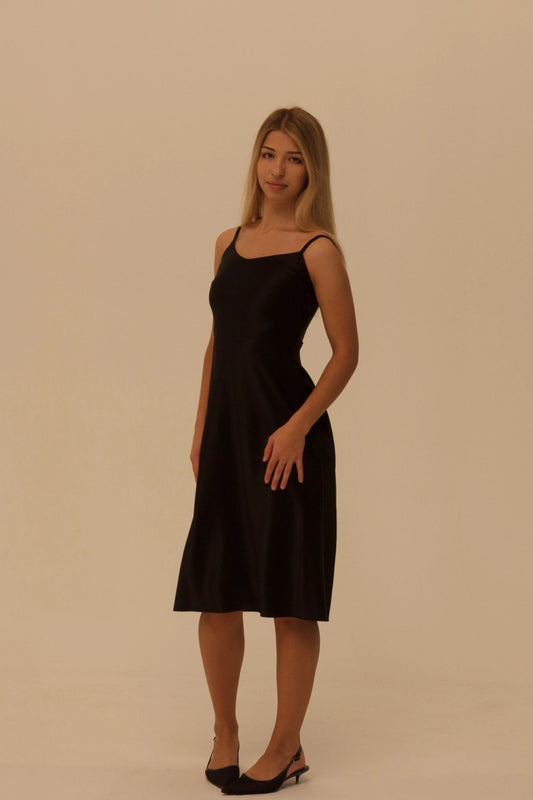
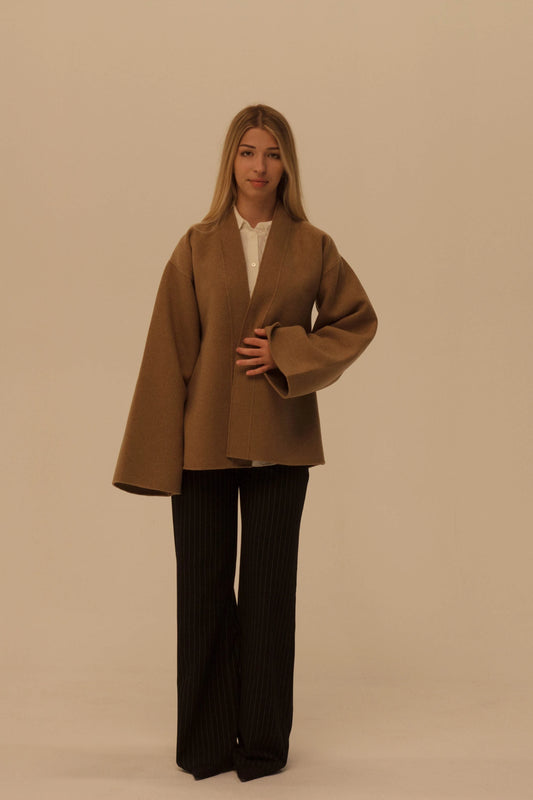
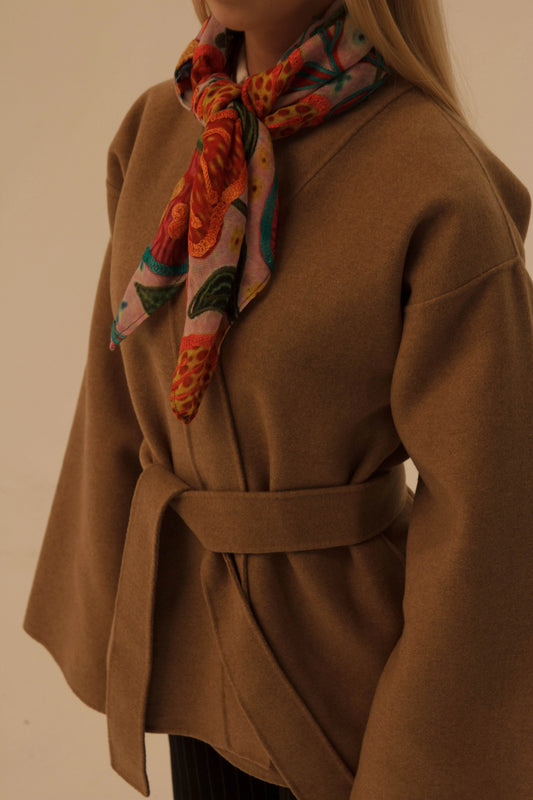
A woman walks into a room wearing a simple camel coat, black trousers, and no visible branding. But something about her presence commands attention. The fabric drapes perfectly. The cut is impeccable. The proportions are exactly right.
She's wearing what the fashion industry now calls "quiet luxury", and it has become the ultimate status symbol.
Here's why minimalism replaced logos as the language of wealth, and what it means for how we think about luxury.
The Death of Logo Mania
For decades, luxury meant visibility.
The old luxury playbook:
- Monogram patterns covering entire bags
- Designer logos prominently displayed on clothing
- Recognizable "signature" patterns (GG, LV, CC)
- The bigger and more obvious, the better
The message: "I can afford this brand, and I want you to know it."
This worked when luxury goods were genuinely exclusive, rare, expensive, and available only to a small elite. A Louis Vuitton bag in 1985 was a status symbol because few people could afford one.
But something shifted.
The Democratization (and Dilution) of Luxury
By the 2000s and 2010s, luxury brands had expanded dramatically:
- Mass production increased
- Logo products became entry-level items
- Counterfeits flooded the market
- Everyone (regardless of actual wealth) could access logo luxury through credit, sales, or fakes
The result: Logo-heavy luxury lost its meaning.
When everyone carries a "designer" bag, it stops signaling wealth. It starts signaling something else entirely: the desire to appear wealthy, which is different from actual wealth.
The wealthy noticed. And they moved on.
Enter Quiet Luxury
Around 2015-2020, a shift began among the genuinely affluent. Instead of logos, they gravitated toward something harder to fake: impeccable quality with no branding.
What Quiet Luxury Actually Is
Visual characteristics:
- Minimal or no visible branding
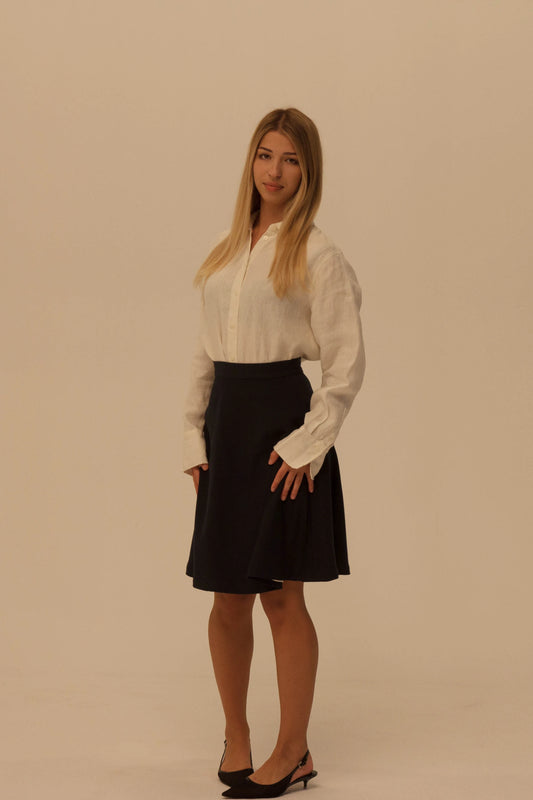
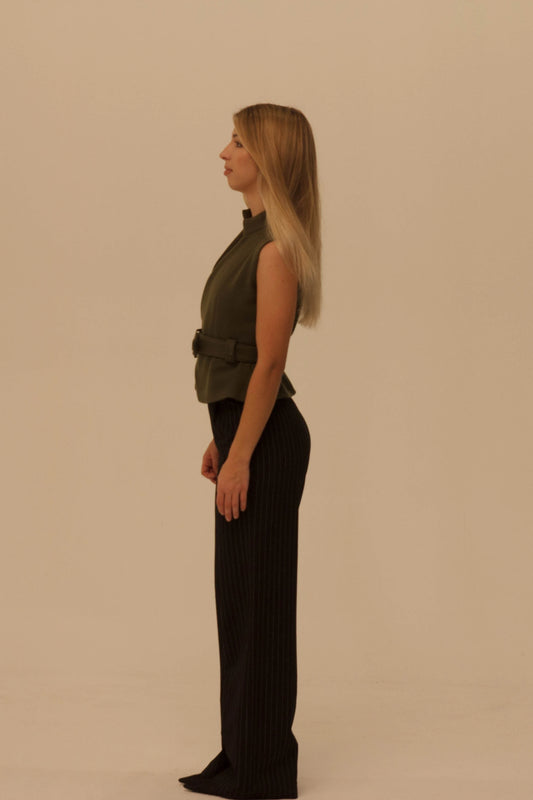
- Neutral, sophisticated color palettes (camel, cream, black, navy, grey, olive)
- Clean, unfussy silhouettes
- Exceptional fabric quality
- Perfect tailoring and fit
Philosophical characteristics:
- Quality over flash
- Craftsmanship over trends
- Longevity over novelty
- Subtlety over statement
- Knowledge over display
The message: "I don't need to prove anything. The people who know, know."
This is luxury as insider knowledge. It requires education to recognize, you have to understand fabric quality, construction techniques, and design heritage to appreciate it. This makes it inherently exclusive in a way logos never were.
Why It Became the New Status Symbol
1. It can't be easily faked
You can buy a counterfeit logo bag for €50. You cannot fake:
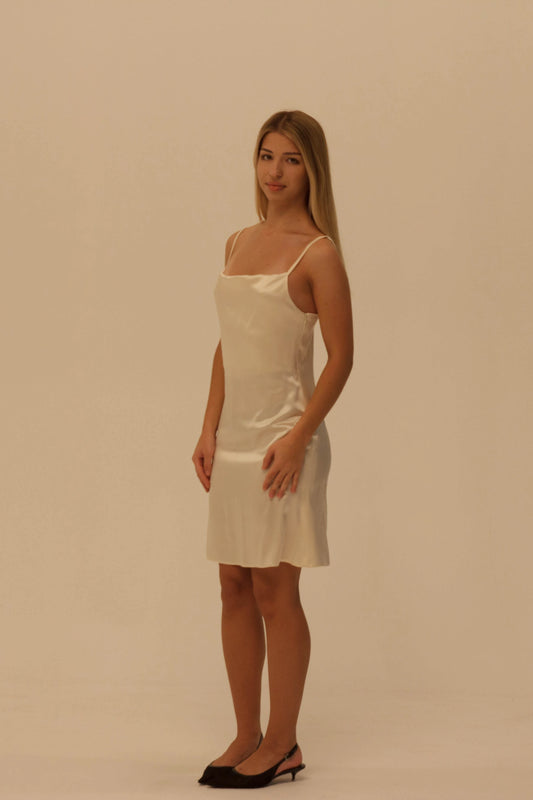
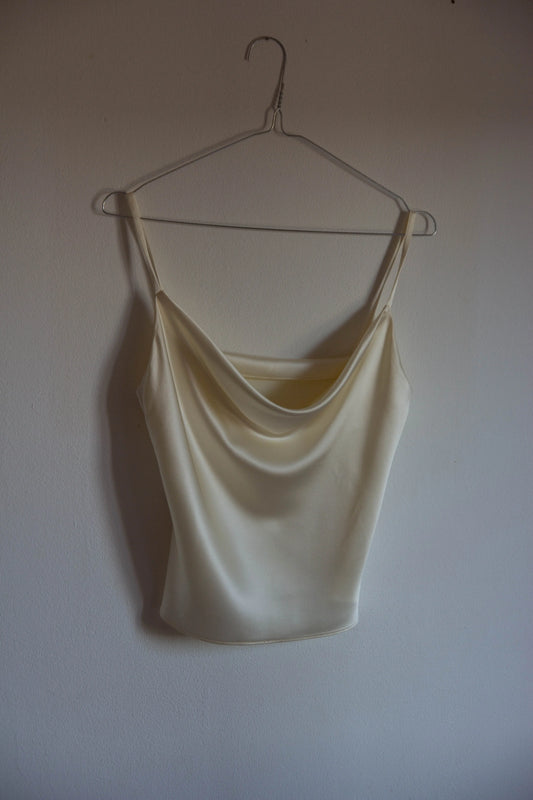
- 25-momme silk charmeuse
- Hand-finished seams
- Perfectly balanced bias-cut draping
- Cashmere that's genuinely 15-micron fiber
- The way premium wool falls on the body
Quiet luxury requires actual money and knowledge. This makes it a more reliable wealth indicator than logos ever were.
2. It signals cultural capital
Wearing quiet luxury shows you understand fashion beyond surface-level branding. You know:
- Which fabrics are superior
- What construction techniques indicate quality
- Why certain cuts are timeless
- How to identify true craftsmanship
This knowledge is a form of capital (cultural and social) that money alone can't buy. It requires exposure, education, and taste.
3. It's confidently understated
There's a psychological element: wearing quiet luxury signals you don't need external validation.
Loud luxury says: "Notice me. Recognize what I'm wearing. Validate my status."
Quiet luxury says: "I dress this way for myself. Your recognition is irrelevant."
This confidence (the security to wear something beautiful without needing others to know its price) is itself a form of wealth.
4. It aligns with contemporary values
Modern affluent consumers (particularly Millennials and Gen X) increasingly value:
- Sustainability over disposability
- Quality over quantity
- Authenticity over performance
- Subtlety over showiness
Quiet luxury fits these values. It's inherently less wasteful (pieces last decades), more thoughtful (carefully chosen, not impulsively bought), and more authentic (reflects genuine taste, not trend-following).
The Brands That Define Quiet Luxury
Several brands have become synonymous with this aesthetic. Understanding them helps clarify what quiet luxury means in practice.
The Row
Founded: 2006, by Mary-Kate and Ashley Olsen
Aesthetic: Minimalist to the extreme. Clean lines, luxurious fabrics, zero embellishment, impeccable tailoring.
Price point: €800-€6,000+ for ready-to-wear
What they represent: The Row is the platonic ideal of quiet luxury. Every piece is:
- Cut from exceptional fabrics (cashmere, silk, fine wool)
- Constructed with couture-level precision
- Designed to be timeless (collections barely change year to year)
- Completely free of logos or branding
The Row customer: Women who value perfection in cut and fabric above all else. They're not dressing for Instagram, but for themselves and for people who truly understand quality.
Why it works: The Row proves that extreme simplicity, executed perfectly, is more luxurious than any amount of embellishment or branding.
Loro Piana
Founded: 1924, Italian heritage brand (now owned by LVMH)
Aesthetic: Refined sportswear and casual luxury. Exceptional materials (especially cashmere and vicuña), understated elegance, perfect for the European upper class.
Price point: €600-€8,000+ (their vicuña pieces can reach €20,000+)
What they represent: Loro Piana is about material supremacy. They source and produce some of the world's finest natural fibers:
- Baby cashmere (softest available)
- Vicuña (rarer than cashmere, extraordinarily expensive)
- Finest wools and silks
The Loro Piana customer: Old money Europeans, hedge fund executives, people who value fiber quality above everything else. They often wear head-to-toe Loro Piana with no one but fellow insiders recognizing it.
Why it works: When your cashmere is objectively the best available, you don't need a logo. The hand-feel speaks for itself.
Khaite
Founded: 2016, by Catherine Holstein
Aesthetic: Modern American minimalism with slight edge. Sculptural silhouettes, luxurious materials, contemporary takes on classics.
Price point: €500-€3,500+
What they represent: Khaite is slightly more fashion-forward than The Row, but still rooted in quiet luxury principles:
- Exceptional knitwear (cashmere sweaters are their signature)
- Architectural tailoring
- Neutral palette with occasional color
- Quality construction
The Khaite customer: Younger than traditional quiet luxury buyers (30s-40s), fashion-aware but anti-trend, professional women who want subtle sophistication.
Why it works: Khaite shows that quiet luxury can be modern and slightly directional without sacrificing timelessness or quality.
Max Mara
Founded: 1951, Italian family-owned brand
Aesthetic: Classic Italian minimalism. Famous for their coats (particularly the 101801 camel coat, an icon), refined tailoring, neutral palettes.
Price point: €600-€4,000+
What they represent: Max Mara is quiet luxury for real life. Their pieces are:
- Beautifully tailored but functional
- Designed for women with careers and busy lives
- Built to last decades (many women inherit Max Mara coats from their mothers)
- Subtly luxurious without being precious
The Max Mara customer: Successful professional women across Europe. They want quality and elegance without ostentation. They're not trying to make a fashion statement. They're trying to look impeccable every day with minimal effort.
Why it works: Max Mara has spent 70+ years perfecting minimalist elegance. They understand proportion, fit, and fabric in ways that only come from generations of expertise.
The Common Threads
What these brands share:
✓ Exceptional materials (often specified in detail)
✓ Expert construction (visible to those who know what to look for)
✓ Minimal branding (often completely absent)
✓ Timeless design (collections evolve slowly, never chase trends)
✓ High price points (justified by genuine quality, not just markup)
✓ Heritage or expertise (either long-standing or founded by true experts)
This is the quiet luxury template.
The Psychology Behind Quiet Luxury
Why do people (particularly wealthy people) gravitate toward this aesthetic?
The Rejection of Conspicuous Consumption
Old wealth mindset: "If you have it, flaunt it."
New wealth mindset: "If you have it, you don't need to flaunt it."
Research in social psychology shows that as people become more secure in their status, they feel less need to display it overtly. Ostentatious consumption often signals aspiration rather than arrival.
True confidence is quiet. This applies to wealth as much as anything else.
The Desire for Authenticity
In an era of Instagram facades and performative luxury, quiet luxury represents authenticity:
- It's real quality (not just aesthetic)
- It's personal choice (not trend-driven)
- It's understated (not performed for social media)
Wearing quiet luxury is a form of opting out of the performance of wealth, which paradoxically, is a luxury only the genuinely wealthy can truly afford.
The Appeal of Insider Status
Humans are tribal. We want to belong to groups, particularly exclusive groups.
Logo luxury is mass-market exclusivity: Anyone who sees the logo knows what it is. It's inclusive in its exclusivity.
Quiet luxury is true insider status: Only people with specific knowledge recognize it. A Loro Piana cashmere sweater looks like "a nice sweater" to most people. To someone who knows, it's instantly recognizable as €1,200 of the world's finest fiber.
This creates in-group/out-group dynamics. Those who recognize it feel connected. Those who don't... don't matter to the wearer.
The Practical Appeal
Beyond psychology, quiet luxury is simply more pleasant to wear:
- Easier to style (everything is neutral and cohesive)
- More comfortable (premium materials feel better)
- More versatile (works across contexts)
- Less tiresome (you don't get bored of simple perfection the way you tire of statement pieces)
When you buy quiet luxury, you're buying ease as much as quality.
What Makes Bradic Different
The quiet luxury space is dominated by long-established houses with decades of history, scale, and institutional trust. Bradic can not compete with these brands on heritage, reach, or production volume, and does not attempt to.
Instead, it occupies a different position within the same aesthetic and value system.
One by One, for One
Bradic operates on a made-to-measure model. Not as a feature, but as a foundation.
Each piece is created individually, after a person has chosen it. There is no anonymous stock, no abstract “customer,” no anticipation of trends or volumes. The garment begins with a single body in mind.
This changes how the clothing feels.
A made-to-measure fit doesn’t announce itself loudly. It’s quieter than that. The ease in the shoulders. The way the fabric falls without adjustment. The absence of tension, pulling, or compromise. It feels natural, like the garment knows where it belongs.
That sense of alignment is difficult to explain until you experience it.
A Different Relationship to Clothing
Because production is limited and direct, the relationship between wearer and garment is more intimate.
You know the piece wasn’t one of thousands.
You know it was made deliberately, not rushed into existence.
You know why it exists.
This awareness subtly changes how the garment is worn. It’s treated with more care, worn with more intention, and kept longer, not because it’s precious, but because it feels personal.
Limited by Design
Bradic produces in small quantities, often as limited editions. This isn’t about exclusivity as status. It’s a natural result of working slowly, one piece at a time.
Nothing is designed to flood wardrobes or fill trends. Pieces are meant to settle into someone’s life, to be worn repeatedly, to become familiar.
Over time, the garment doesn’t feel new, it feels yours.
Design as Quiet Continuity
The design language is restrained and consistent. Neutral tones. Clean silhouettes. Fabrics chosen for how they behave, not how they photograph.
There’s no pressure to reinvent, to shock, or to refresh constantly. Changes are subtle, almost internal. What matters is how the garment feels after months and years of wear, not how it performs in a single moment.
Where Bradic Truly Sits
Bradic does not offer the reassurance of legacy.
What it offers instead is closeness.
A slower pace.
A clearer origin.
A garment made with one person in mind, not many.
It sits quietly alongside the quiet luxury world, not as a competitor in scale or reputation, but as a more intimate interpretation of the same values, shaped around fit, intention, and connection rather than distance and prestige.
How to Wear Quiet Luxury
Quiet luxury isn't just about what you buy. It's about how you wear it.
The Principles
1. Cohesion over variety
Don't mix:
- Quiet luxury pieces with fast fashion (the quality difference will be jarring)
- Neutral minimalism with loud branding (they contradict each other)
- Too many different aesthetics (minimalism requires commitment)
Do:
- Build a cohesive color palette (3-5 neutral colors)
- Layer quality pieces together
- Let one statement piece anchor simpler pieces
2. Fit is non-negotiable
Quiet luxury only works if pieces fit perfectly. An ill-fitting €1,000 cashmere sweater looks worse than a well-fitted €200 sweater.
Invest in tailoring:
- Even expensive pieces often need minor adjustments
- Perfect fit is what makes quiet luxury recognizable
- Budget 5-10% of garment cost for alterations
3. Less is more
Quiet luxury is about restraint:
- One excellent piece styled simply > multiple good pieces competing for attention
- Minimal jewelry (if any)
- Neutral palette allows fabric and cut to speak
- Your outfit shouldn't try to do too much
4. Quality extends beyond clothes
Quiet luxury is a total aesthetic:
- Well-maintained hair (simple style, obviously healthy)
- Subtle or no makeup (skin looks naturally good)
- Quality shoes and bags (not necessarily branded, but well-made)
- Clean, filed nails (manicures can be minimal or absent, just well-kept)
The goal: You look expensive because everything about you looks carefully maintained, not because you're wearing recognizable brands.
The Quiet Luxury Wardrobe Formula
Core pieces (invest heavily):
- 1-2 exceptional coats (camel, black, or navy)
- 3-4 perfect cashmere or merino sweaters
- 2-3 pairs of tailored trousers
- 2-3 silk blouses or shirts
- 1-2 simple dresses (slip dress, sheath dress)
- 1 perfect blazer
Supporting pieces (still quality, less investment):
- White t-shirts (high-quality cotton)
- Black jeans (proper denim)
- Simple leather goods (minimal design, quality construction)
Total pieces: 15-20 items that work interchangeably.
Total investment: €5,000-€15,000 depending on brands chosen, but worn 100+ times each over 10+ years.
Result: Effortless elegance, every day, with minimal decision-making.
The Cultural Moment
Quiet luxury isn't just a fashion trend, it's a cultural response to several simultaneous forces:
Reaction to Instagram Culture
After years of #OOTD posts, outfit-repeating shame, and performative fashion, many women are exhausted by the pressure to constantly display novelty.
Quiet luxury says: I'm dressing for real life, not content creation.
Economic Anxiety
Even among the affluent, there's increased awareness of:
- Economic instability
- Wealth inequality
- Climate crisis
Ostentatious luxury feels tone-deaf. Quiet luxury allows you to enjoy quality without appearing insensitive or wasteful.
Desire for Authenticity
We're tired of:
- Influencer culture (paid promotion disguised as genuine preference)
- Fast fashion cycles (designed for obsolescence)
- Performative consumption (buying for appearance rather than use)
Quiet luxury feels authentic because it's not performed. It's clothing chosen for personal satisfaction rather than external validation.
Aging Millennial Wealth
Millennials (now in their 30s and 40s) are reaching peak earning years. Many have:
- Spent their 20s experimenting with trends
- Accumulated disposable income
- Developed more sophisticated taste
- Lost interest in logos and visible branding
They're ready for quiet luxury, quality pieces that reflect maturity and success without shouting about it.
The Future of Luxury
Quiet luxury isn't a passing trend. It represents a fundamental shift in how we signal status.
The old model:
- Status through visible consumption
- Logo recognition as shorthand for wealth
- More is more
The new model:
- Status through insider knowledge
- Quality recognition as proof of sophistication
- Less is more
This shift is likely permanent because:
1. Logo luxury can't regain exclusivity
Once democratized, luxury logos can't become exclusive again. The market has moved on.
2. Quality is the only reliable signal
As counterfeiting and mass production improve, material quality and construction are the only things that remain difficult to fake at scale.
3. Cultural values have shifted
Younger generations genuinely prefer sustainability, authenticity, and understated elegance over ostentation. This isn't just aesthetics, but values.
4. The wealthy set the tone
As the genuinely affluent embraced quiet luxury, aspirational consumers followed. This creates a self-reinforcing cycle.
What This Means for You
Whether you're building a luxury wardrobe or curious about the cultural shift:
If you're starting:
- Focus on one or two exceptional pieces rather than many good pieces
- Learn to recognize quality (fabric weight, construction, fit)
- Build a neutral palette that coheres
- Think in decades, not seasons
If you're transitioning from logo luxury:
- You don't need to discard what you own (use pieces until they wear out)
- Gradually replace with minimal pieces
- Notice how liberating it feels to dress without performing
If you're skeptical:
- That's fine. Quiet luxury isn't for everyone.
- Some people genuinely enjoy logos and statements
- Fashion has room for both aesthetics
But if quiet luxury appeals to you:
It's not about spending more, but about spending differently. Fewer pieces, higher quality, longer lifespan, greater satisfaction.
It's dressing for yourself instead of for others.
It's confidence that doesn't require external validation.
It's knowing that true luxury whispers.
Final Thoughts
The shift from logos to quiet luxury represents something deeper than fashion: it's about how we want to move through the world.
Logo luxury says: Look at me. Recognize what I can afford.
Quiet luxury says: I know who I am. I don't need your recognition.
One is about performance. The other is about presence.
Brands like The Row, Loro Piana, Khaite, and Max Mara proved that minimalism could be the ultimate luxury. Newer brands like Bradic are making that luxury more accessible while maintaining the core principles: exceptional materials, expert craftsmanship, timeless design.
The result is a wardrobe that gets better with time, both in how the pieces age and in how you feel wearing them.
That's the promise of quiet luxury: clothes so well-made, so perfectly suited to you, that they become invisible in the best way.
They don't announce themselves.
They don't demand attention.
They simply make you feel like the most refined version of yourself.
And that's a luxury worth investing in.