Owning Fashion Like Art: Why Your Clothes Should Come With a Certificate
Miron BradicMost clothing is designed to be forgotten. A small amount is designed to last. The difference is not price.
There is a specific kind of object that changes how you relate to it the moment you understand what it is.
A piece of furniture made by a craftsman in the 1920s. A pen manufactured in limited quantity with a specific nib weight. A watch produced in a small series by a maker who has been doing one thing well for decades. These objects are not valuable because they are old or because they cost a lot. They are valuable because they were made with a specificity and attention that mass production cannot replicate, and because that specificity is permanent. There will not be more of them.
Clothing can work the same way. Most of it doesn't, because the industry is structured around the opposite principle. But the possibility exists, and understanding what makes the difference changes how you evaluate what you wear.
What Mass Production Actually Removed
Before industrial fashion, clothing was produced the way furniture and objects were produced: by specific people, for specific people, in specific quantities. A tailor made a coat for one client. A seamstress produced a dress for a particular occasion. The garment had a maker, a recipient, and a context. It was documentable in the way that any handmade object is documentable.
The industrial revolution changed this not by improving clothing but by removing its particularity. When a garment can be produced in tens of thousands of identical units, it stops being a specific thing and becomes a category of thing. You do not own a coat. You own a coat of a type that many other people also own. The object has no individual identity.
This is efficient. It is also the reason most clothing is forgettable. Objects without individual identity do not accumulate meaning. They are used and replaced without emotional consequence, which is precisely what the production model requires.
The shift toward limited production, made-to-order manufacturing, and documented craft is not nostalgia. It is a return to the conditions under which clothing can become something more than a commodity.
The Collector's Way of Seeing Objects
People who collect seriously, whether art, furniture, ceramics, or watches, develop a specific way of evaluating objects that is worth understanding even if you have no interest in collecting.
A collector asks: who made this, and how? What materials were used and why? How many exist? What is its condition and provenance? These questions are not about snobbery. They are about establishing whether an object has enough specificity to be worth sustained attention.
An object that answers these questions well has what collectors call provenance: a documented history of its creation and ownership that makes it legible as a particular thing rather than an interchangeable unit. Provenance is what separates a painting from a print of the same image. The image may be identical. The object is not.
Most clothing has no provenance at all. The brand, the season, the retail price: these are identifiers of a category, not of a specific object. They tell you nothing about who made this particular piece, from which specific materials, or in what quantity. Without that information, the object cannot accumulate the kind of value that makes keeping it for twenty years rational rather than sentimental.
What Documentation Changes
When a garment comes with a certificate that states its position in a limited production, the materials used, who made it, and when: something changes in how you relate to it.
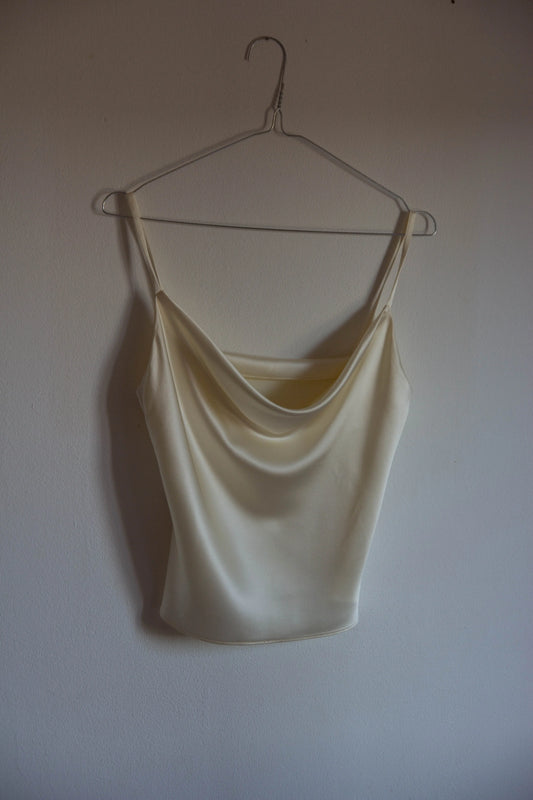
This is not primarily psychological, although there is a psychological component. It is structural. The documentation makes the garment a specific object rather than a unit of a type. It is piece 15 of 30, not one of thousands. The silk it is made from is specified at 25 momme mulberry, not described vaguely as silk. The maker is identified. The date is recorded.

These details have practical consequences. They make the garment worth caring for, because it is worth caring for. They make it worth keeping, because it is the kind of thing that should be kept. They make it easier to explain its value to someone else, which is relevant if the garment is eventually passed on.
A certificate of authenticity on a garment is not a marketing gesture. It is a statement about what kind of object the garment is. It is the brand committing, in writing, to the specificity of the piece.
Scarcity That Is Real Versus Scarcity That Is Performed
The word "limited" has been so thoroughly misused in fashion marketing that it has nearly lost its meaning. A brand that produces 50,000 units of something and calls it limited because the colorway changes next season is not offering scarcity. It is offering the language of scarcity while providing the opposite.
Real scarcity comes from production constraints that cannot be resolved by spending more money or running an additional shift. A small atelier producing handmade garments has a genuine ceiling on output. The limit is not strategic. It is the result of the process.
When Bradic produces 30 pieces of a design, that number reflects what can be made at the standard the piece requires. Not a marketing decision about how many units to release to create urgency. A production reality based on time, skill, and attention per piece. These are not the same thing, and the difference is significant.
A limited edition produced in a small series by a maker with fixed capacity is an object you know will not be reprinted. A "limited edition" from a brand with unlimited production capacity is a normal product with a different label.
The Practical Case for Owning Fewer Specific Things
There is an argument for limited-edition, documentable clothing that has nothing to do with collecting or emotional value. It is simply practical.
A garment made in a small series receives more attention per piece than a garment made in tens of thousands. The maker can inspect each piece as an individual object. The standard is applied consistently because the volume is manageable. The materials are chosen for the piece rather than for the production line.
This translates directly into longevity. A piece made with individual attention, in quality materials, to a standard that can be applied at small scale, lasts longer than a piece produced to meet a volume requirement. The collecting logic and the quality logic arrive at the same place by different routes.
Owning fewer things that are specific, well-made, and documented is also simpler than owning many things that are interchangeable. You know what you have. You know why you have it. The decision of what to wear involves a smaller number of things, each of which works correctly.
What Makes Something Worth Keeping
Objects that get kept across decades share certain characteristics. They have a specific identity: they are particular things, not units of a category. They were made with attention to detail that is visible over time rather than only at the moment of purchase. They age in a direction, developing character rather than simply deteriorating. And they carry some record of their origin, either in documentation or in the quality of the thing itself, that makes them legible as worth keeping.
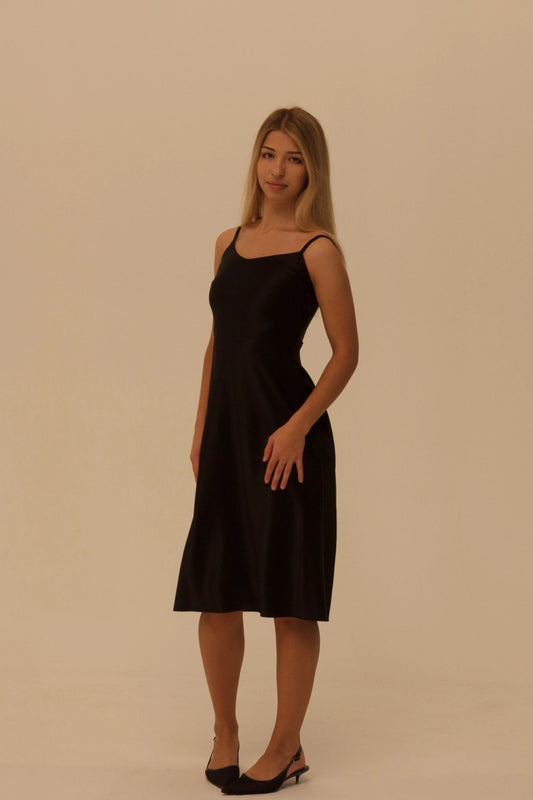
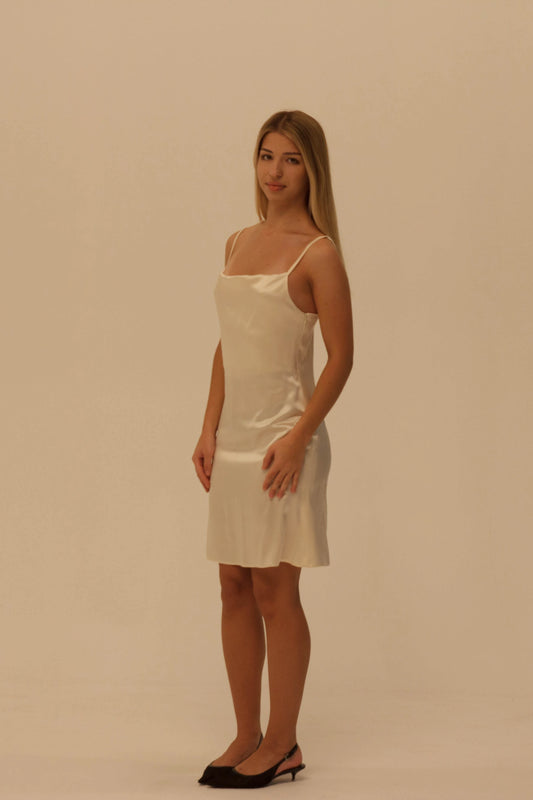
Clothing can have all of these characteristics. A silk dress made from substantial fabric, cut by hand, produced in a small number, and documented with a certificate that records its place in that series, meets every criterion. It has identity, attention, aging quality, and provenance.
Most clothing meets none of them. It is produced without identity, with attention distributed across a vast quantity rather than concentrated on individual pieces, from materials chosen for cost rather than for how they age, and with no documentation of its origin.
The choice between these two things is not really a choice about how much to spend. It is a choice about what you want your relationship with your clothing to be. Functional and forgettable, or particular and kept.
Both are legitimate. But only one produces objects worth holding onto.