Why Owning Fewer, Better Pieces Is the New Luxury
Miron BradicThere's a quiet revolution happening in fashion. While fast fashion brands churn out thousands of new styles weekly and social media pushes constant consumption, a growing number of women are walking in the opposite direction, toward smaller, more intentional wardrobes filled with fewer, better things.
This shift isn't about deprivation or minimalism for minimalism's sake. It's about recognizing a fundamental truth: quality beats quantity, every single time. When you own fewer pieces that you genuinely love and that fit you perfectly, getting dressed becomes a pleasure rather than a frustration.
In this guide, we'll explore why owning fewer, better pieces has become the ultimate luxury and how to build a wardrobe that reflects this philosophy.
The Problem With "More"
The average woman owns 103 pieces of clothing but wears only 20% of them regularly. The rest hangs in closets, tags sometimes still attached, representing wasted money, wasted resources, and daily decision fatigue.
How did we get here?
The fast fashion trap: When a dress costs €20, buying it feels risk-free. But those €20 purchases add up: 50 impulse buys equal €1,000 spent on clothes you barely wear.
Trend cycling: Fashion marketing convinces us that last season's clothes are somehow inadequate. We chase trends rather than building a wardrobe that actually serves us.
Quantity over quality: Faced with limited budgets, many choose multiple cheap items over one quality piece. This feels like getting more value, but the math doesn't work out.
Fit compromises: Ready-to-wear rarely fits perfectly, so we accumulate multiple versions of the same item hoping one will work. None do, but we keep them all.
The result? Overflowing closets full of clothes, yet that familiar feeling of having "nothing to wear."
The Capsule Wardrobe Concept: Less Really Is More
The capsule wardrobe philosophy offers an alternative: a carefully curated collection of versatile, high-quality pieces that work together seamlessly.
What Is a Capsule Wardrobe?
A capsule wardrobe typically consists of 25-40 core pieces (excluding underwear, sleepwear, and workout clothes) that:
- Mix and match effortlessly
- Span multiple seasons (with some seasonal additions)
- Reflect your personal style consistently
- Fit your body properly
- Are made from quality materials that last
The concept isn't new, fashion designer Donna Karan popularized it in the 1980s with her "Seven Easy Pieces" collection. But it's experiencing renewed interest as women reject the exhausting cycle of constant consumption.
The Benefits of Fewer Clothes
Decision fatigue disappears: When every piece in your wardrobe works and fits, getting dressed takes minutes, not hours. You're choosing between good options, not searching desperately for something acceptable.
Quality becomes affordable: The woman spending €2,000 annually on fast fashion could instead invest in 3-4 exceptional pieces that last years. The per-wear cost of quality far undercuts the per-wear cost of quantity.
Personal style crystallizes: With fewer pieces, you're forced to choose what truly represents you. Your wardrobe becomes an authentic expression of your aesthetic rather than a random accumulation.
Space and mental clarity: Physical clutter creates mental clutter. A streamlined wardrobe means a calmer morning routine and a more organized living space.
Sustainability: Owning fewer, better things means less consumption, less waste, and less contribution to fashion's environmental crisis.
Building Your Capsule: Quality Markers to Look For
When investing in fewer pieces, each one needs to earn its place. Here's what separates investment-worthy garments from everything else:
Fabric quality: Natural fibers (silk, wool, cashmere, linen, quality cotton) generally outlast synthetics and feel better against skin. Look for fabric weight, heavier silk (like 25 momme) indicates density and durability.
Construction details: French seams, hand-finished hems, quality buttons, reinforced stress points. These details indicate care in manufacturing and predict longevity.
Fit precision: The single most important factor. A garment that fits your body perfectly will be worn constantly; one that fits "almost" will be avoided.
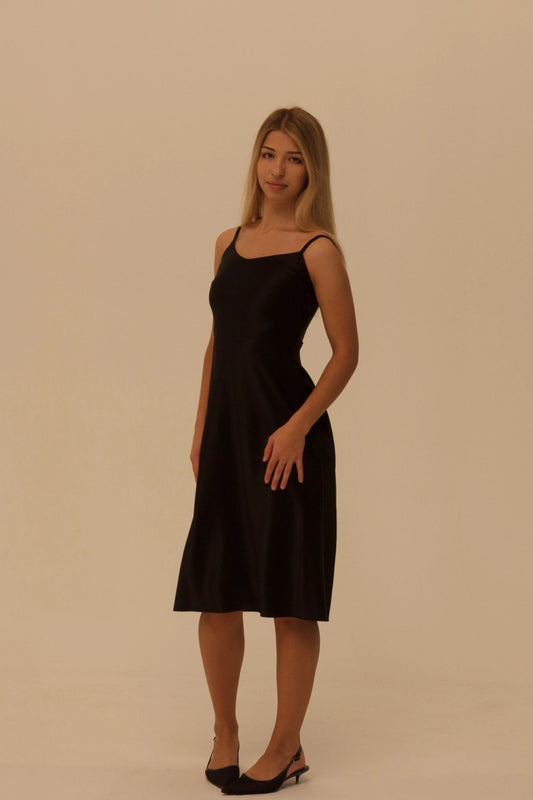
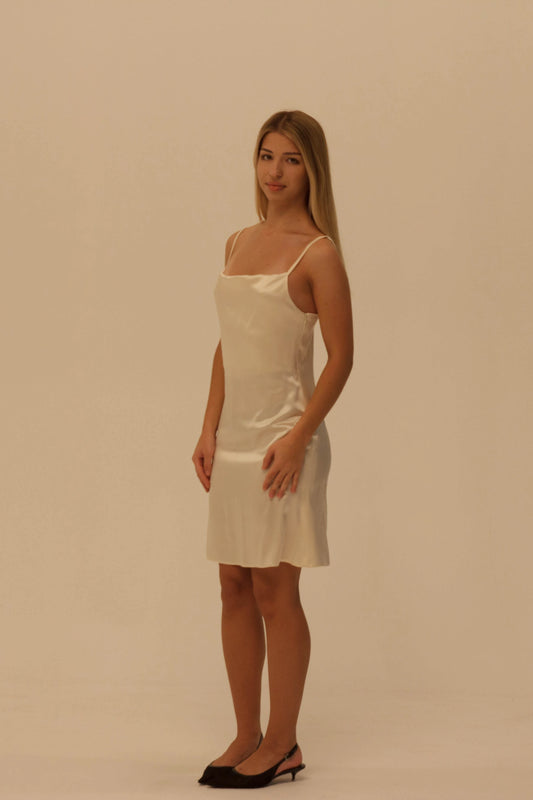
Timeless design: Classic silhouettes transcend trends. A well-cut silk slip dress or perfectly tailored trousers remain relevant decade after decade.
Versatility: Can you wear it multiple ways? Dress it up and down? Transition it across seasons? The most valuable pieces work in numerous contexts.
Quality vs. Quantity: The Real Math
Let's examine the actual economics of fewer, better pieces versus constant fast fashion consumption.
The Fast Fashion Approach
Annual spending: €1,500 on clothing
Average item cost: €30
Items purchased: 50 pieces per year
Average wear per item: 7 times (industry statistic)
Cost per wear: €4.29
Items still wearable after 2 years: Maybe 15 (30%)
Wardrobe satisfaction: Low (constant searching for "the right thing")
The Quality Investment Approach
Annual spending: €1,500 on clothing
Average item cost: €375
Items purchased: 4 exceptional pieces per year
Average wear per item: 100+ times over 5-10 years
Cost per wear: €3.75 or less
Items still wearable after 2 years: All 4 (100%)
Wardrobe satisfaction: High (every piece works perfectly)
The investment approach actually costs less per wear while delivering dramatically better experience. And after five years, you have 20 exceptional pieces that all work together versus 250 mediocre items, most of which you've discarded.
The Hidden Costs of Cheap Clothing
Beyond the math, cheap clothing carries hidden costs:
Replacement cycles: That €30 sweater pills after five washes. You buy another. And another. The "cheap" sweater becomes expensive through repetition.
Alteration expenses: Ready-to-wear that doesn't fit often needs tailoring. €30 dress plus €40 alterations equals €70, approaching quality price points anyway.
Dry cleaning accumulation: Cheap fabrics often can't be washed at home. Dry cleaning costs add up quickly.
The "nothing to wear" problem: A closet full of compromise purchases means constantly feeling like you need more. The spending never ends.
Emotional cost: The frustration of clothes that don't fit, don't last, and don't represent you has psychological weight.
Why Limited Edition Pieces Have Emotional Value
Beyond quality and fit, there's something deeper that makes owning fewer, better things satisfying: the emotional connection to pieces that feel special.
The Psychology of Scarcity
Mass production disconnects us from our possessions. When something is available in unlimited quantities, it feels replaceable, disposable, unremarkable.
Limited edition pieces flip this dynamic. When only 30 exist worldwide, your garment becomes:
Unique to you: Not thousands of women own the same dress, just 30. Your piece has identity.
Meaningful: Scarcity creates emotional weight. You care for what's rare differently than what's replaceable.
Connected to craft: Limited runs typically mean artisan production, hand-finishing, individual attention. Your garment has a human story.
Resistant to trend cycles: You don't discard limited pieces when fashion moves on. They're too special, too valued.
This isn't artificial scarcity for marketing purposes. Small-batch production genuinely limits quantities because quality handwork can't scale infinitely. When each cashmere coat requires 30+ hours of skilled labor, producing thousands isn't possible.
The Numbered Piece Effect
There's something powerful about owning piece "14 of 30" or "7 of 10." That number represents:
- A production cap that won't expand
- Your specific garment within a finite run
- Proof of deliberate limitation versus arbitrary manufacturing
- A small club of women who own this particular design
This numbered authenticity transforms clothing from commodity to collectible. You're not just buying fabric, you're acquiring a specific position within a limited edition.
Emotional Durability
We care for things that matter to us. A special piece receives:
- Proper storage (padded hangers, breathable garment bags)
- Careful cleaning (hand wash, quality dry cleaners)
- Timely repairs (loose button fixed immediately, not months later)
- Mindful wearing (saved for moments that deserve it)
This care extends physical lifespan, but it also deepens emotional connection. The garment accumulates memories, where you wore it, how you felt, what happened. It becomes part of your personal history.
Disposable fashion never achieves this status. It's worn, forgotten, discarded without sentiment.
The Minimalist Luxury Wardrobe: A New Definition of Luxury
Traditional luxury was about excess, owning more, displaying wealth through accumulation, having options for every conceivable occasion.
The new luxury inverts this entirely.
What Minimalist Luxury Looks Like
Curation over accumulation: Every piece is chosen with intention. Nothing is filler, nothing is compromise, nothing is "good enough."
Perfect fit over brand names: A made-to-measure silk dress that fits your body exactly trumps a designer label in the wrong size. Fit is the ultimate luxury.
Quality materials, quietly: 25 momme mulberry silk, Italian cashmere, fine merino wool, materials that feel extraordinary against skin and last decades. No need for logos when the fabric speaks.
Limited availability: True exclusivity comes from genuine scarcity, not artificial hype. Owning 1 of 30 pieces matters more than owning something millions have.
Time and craft: Garments made over 30 hours by skilled artisans versus factory production measured in minutes. The luxury is in the labor, care, and expertise.
Sustainability inherent: Slow fashion, made-to-order production, pieces designed to last generations. Luxury that doesn't cost the earth.
This definition of luxury is accessible to far more people than the traditional version. You don't need unlimited wealth, you need intentionality and patience to build slowly.
The 10-Piece Luxury Capsule
What might a minimalist luxury wardrobe look like? Consider these foundational pieces:
-
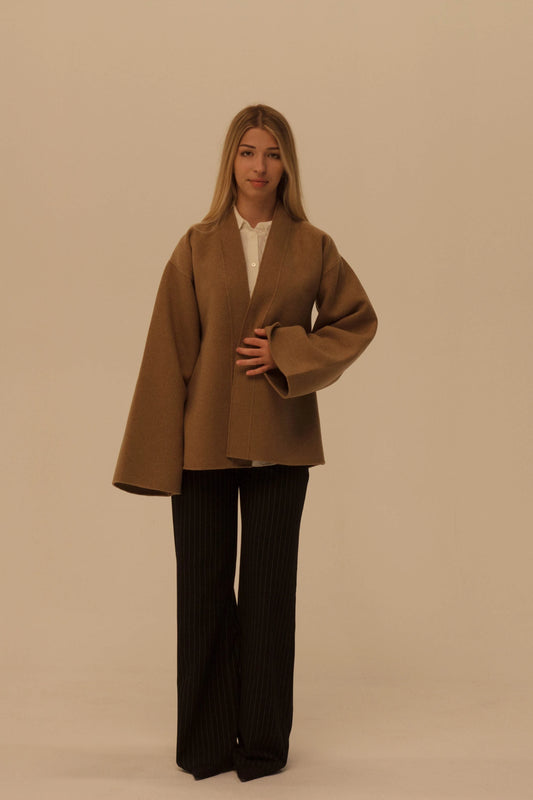
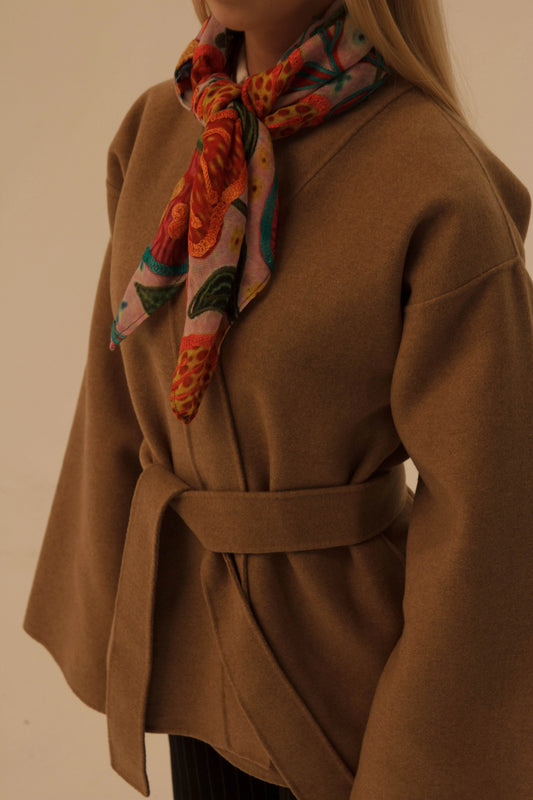
One exceptional coat: Cashmere or quality wool, neutral color, classic cut. Worn October through March.
-
One perfect blazer: Structured enough for formal, relaxed enough for casual. The piece that elevates everything.
-
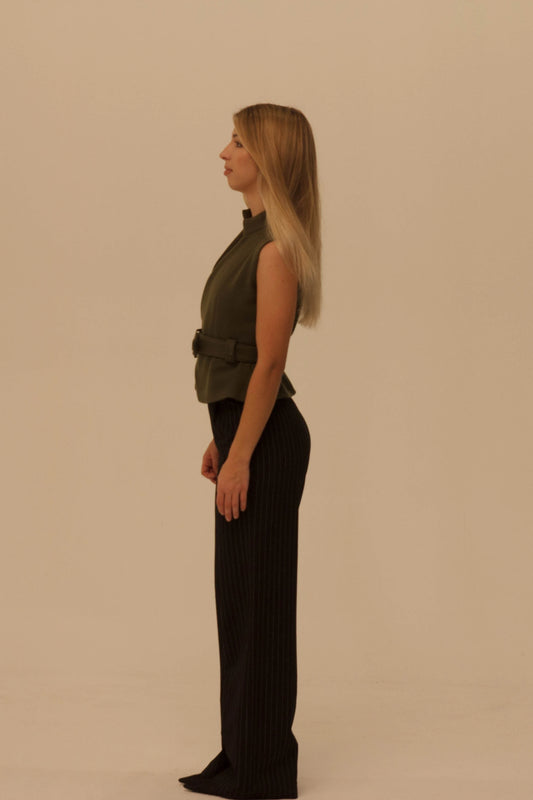
Two pairs of tailored trousers: One light, one dark. Made to measure for perfect fit.
-
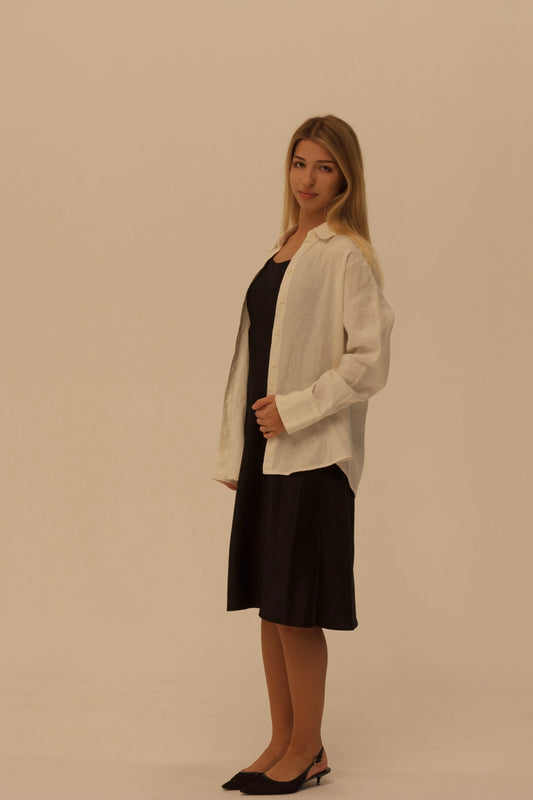
One silk slip dress: The ultimate versatile piece, elegant for evenings, relaxed with a cardigan for daytime.
-
Two quality knits: Cashmere cardigan and fine wool sweater. Investment pieces for years of wear.
-
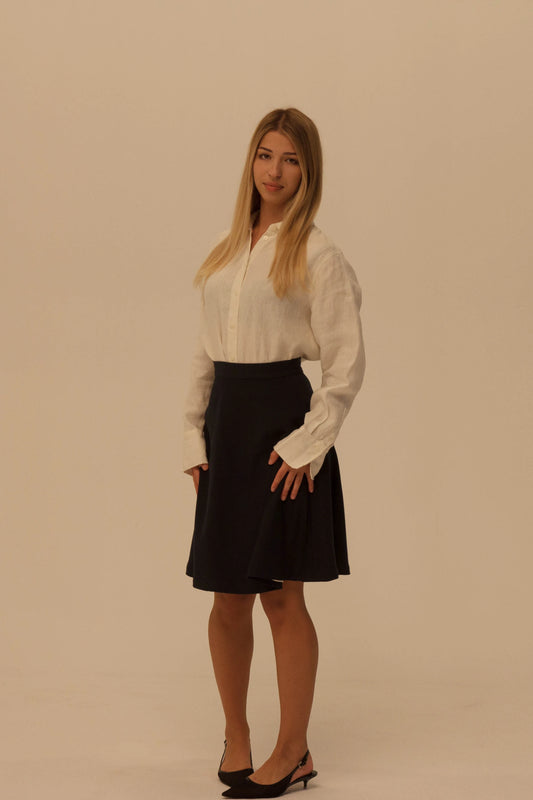
One tailored skirt: Pencil or A-line depending on your style. Pairs with everything.
-
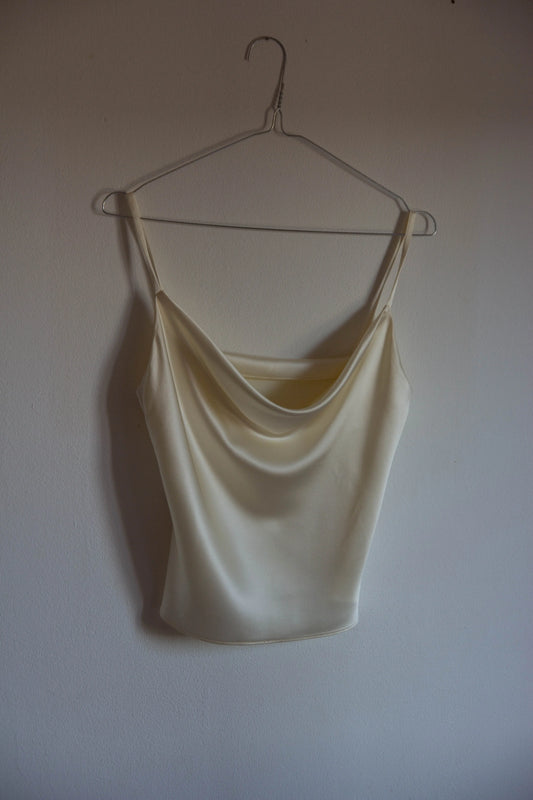
Two silk tops: Different necklines for variety. Dress up or down effortlessly.
Ten pieces. Endless combinations. Every single one fits perfectly, feels luxurious, and will last years.
How to Transition to Fewer, Better Pieces
Moving from quantity to quality isn't instant, it's a gradual process of upgrading your wardrobe over time.
Step 1: Audit What You Have
Empty your closet. Every piece. Then ask:
- When did I last wear this?
- Does it fit properly?
- Is it quality I'm proud of?
- Does it represent my style?
- Would I buy it again today?
Be honest. Most people keep only 20-30% of what they own through this process.
Step 2: Identify Your Gaps
What's missing? What pieces do you reach for but don't have? What would make getting dressed easier?
These gaps become your investment priorities.
Step 3: Buy Slowly and Intentionally
Resist the urge to fill gaps immediately with compromise purchases. Instead:
- Save for quality pieces
- Research options thoroughly
- Consider made-to-measure for perfect fit
- Choose timeless over trendy
- Buy one exceptional piece rather than three acceptable ones
Step 4: Care for What You Own
Investment pieces deserve investment care:
- Follow care instructions precisely
- Store properly (no wire hangers, breathable covers)
- Address repairs immediately
- Rotate wear to prevent excess stress on favorites
Step 5: Resist Marketing
Unsubscribe from fast fashion emails. Unfollow accounts that trigger impulse buying. Remember: you don't need more. You need better.
The Emotional Shift: From Consumer to Curator
Perhaps the most profound change in adopting fewer, better pieces is psychological. You stop being a consumer, passively accumulating what marketing tells you to want and become a curator, actively building a collection that represents you.
Curators ask different questions:
- Not "Is this on trend?" but "Will I love this in five years?"
- Not "Can I afford this?" but "Is this worth the investment?"
- Not "Do I need this for that event?" but "Does this belong in my wardrobe long-term?"
- Not "How many can I get?" but "Which one is right?"
This shift is liberating. The pressure to constantly acquire disappears. The anxiety of keeping up with trends evaporates. What remains is clarity about what you value and confidence in what you own.
Building Your Minimalist Luxury Wardrobe
If this philosophy resonates with you, the path forward is simple (though not necessarily easy):
Start with one piece. Not a complete wardrobe overhaul. Just one exceptional garment that represents what you want your wardrobe to become. Wear it. Love it. Let it set the standard for everything else.
Build slowly. A minimalist luxury wardrobe isn't constructed in a season. It's assembled over years, piece by considered piece.
Prioritize fit. Nothing matters more than fit. A perfectly fitted simple garment outperforms an ill-fitting designer piece every time. Consider made-to-measure for your most important pieces.
Choose quality materials. Fabric is the foundation. Premium silk, cashmere, and wool feel different and last longer. Learn to recognize quality.
Embrace limitation. Seek out pieces that aren't mass-produced. Limited editions, small-batch production, individual numbering, these constraints create value both emotional and practical.
Care for what you own. The fewer pieces you have, the more each one matters. Treat your wardrobe as the investment it is.
The New Luxury: Final Thoughts
The most luxurious wardrobes aren't the largest. They're the most considered.
Fewer pieces mean every item earns its place. Better quality means every piece lasts and performs. Limited editions mean every garment feels special. Perfect fit means every time you get dressed, you feel like your best self.
This is the new luxury: not having everything, but having exactly what you need, in exceptional quality, fitted precisely to you.
In a world obsessed with more, choosing less (but better) is genuinely revolutionary.
Explore limited edition pieces designed for wardrobes built on quality over quantity.