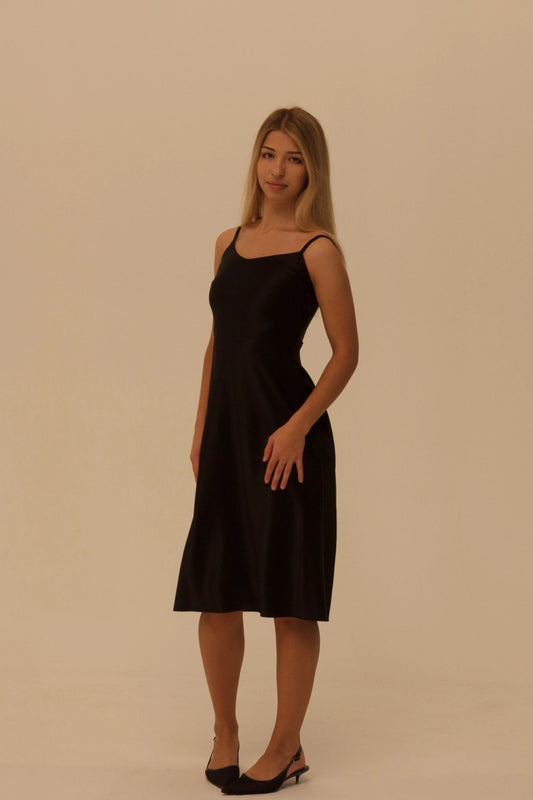
Silk Slip Dress: How Much Should a Good One Cost?
Miron BradicYou're looking at silk slip dresses online. One costs €89. Another costs €450. A third is priced at €1,200.
They all say "100% silk." They look similar in photos. So what's the difference? And more importantly, what should you actually pay for a silk slip dress that will last?
This guide breaks down the real cost of making a quality silk slip dress, what you're paying for at different price points, and how to know if you're getting value or just paying for a brand name.
The Slip Dress Market: A Wide Price Range
Silk slip dresses are available at every price point imaginable:
Budget tier: €50-€150
Mid-range: €200-€400
Premium: €450-€800
Luxury/Designer: €900-€2,000+
The price variation is enormous. But unlike, say, handbags where much of the cost is brand markup, with silk slip dresses the price differences often reflect genuine quality variations, if you know what to look for.
What Goes Into Making a Silk Slip Dress
Before we can evaluate pricing, we need to understand actual production costs. A silk slip dress seems simple, but quality construction involves specific materials and labor.
The Silk Itself
This is the biggest cost variable.
Silk weight (measured in momme - mm):
- 12-16mm silk: Very lightweight, semi-sheer, delicate. Commonly used in budget slip dresses
- 19mm silk: Medium weight, the standard for quality slip dresses. Provides good drape without being too sheer
- 25mm silk: Heavier, more substantial. Luxurious feel, very opaque, excellent longevity
Cost per meter:
- 12-14mm silk: €15-€30 per meter
- 19mm silk: €35-€60 per meter
- 25mm silk: €60-€100+ per meter
A slip dress requires approximately 1.5-2 meters of fabric (depending on length and size).
Silk type also matters:
- Habotai silk: Lightweight, smooth finish. Common in mid-range slip dresses
- Charmeuse silk: Lustrous front, matte back. The classic slip dress silk with beautiful drape
- Crepe de chine: Slightly textured, less shiny. Elegant and less slippery than charmeuse
- Sandwashed silk: Matte finish, soft texture. More casual aesthetic
Quality slip dresses typically use charmeuse or crepe de chine in 19-22mm weight.
Silk grade:
Not all "100% silk" is equal. Silk is graded from A to C:
- Grade A: Long, uniform fibers. Smooth, lustrous, durable. Premium quality
- Grade B: Shorter fibers, some irregularities. Acceptable quality but less refined
- Grade C: Short fibers, visible slubs, weaker. Budget quality
Most brands don't advertise silk grade, but you can infer it from origin and price. Chinese silk dominates the market (produces 80% of world's silk), but quality ranges from excellent to poor depending on the producer.
Construction Components
Straps:
- Thin spaghetti straps (cheap construction): Simple folded fabric tubes
- Adjustable straps (better): Include slide mechanisms for fit customization
- Lined/reinforced straps (best): Won't stretch out over time
Seams:
- French seams (quality indicator): Seams are enclosed, no raw edges visible inside
- Overlock/serged seams (budget): Quick machine finish, can fray over time
- Flat-felled seams (premium): Completely flat, very durable
Learn the difference between french and overlocked seams
Hem:
- Narrow rolled hem (best): Delicate, hand-rolled or specialized machine. Creates elegant finish
- Standard machine hem (acceptable): Clean but less refined
- Raw edge/poorly finished hem (poor quality): Will fray
Bias cut vs. straight cut:
- Bias cut: Fabric cut diagonally across the grain. Drapes beautifully, hugs curves, requires more fabric and skill
- Straight cut: Easier and cheaper to produce, less elegant drape
Quality slip dresses are usually bias-cut, which requires more fabric and more precise pattern-making.
Lining:
Some slip dresses include a separate lining layer (especially lighter silk weights). This adds:
- Opacity (less see-through)
- Structure
- Comfort
- Cost (double the fabric, more construction time)
Labor and Expertise
Factory production (budget to mid-range):
- Mass production in large facilities
- Standardized sizing
- Machine construction throughout
- Cost: €15-€50 in labor per dress
Small-batch production (premium):
- Smaller ateliers with skilled sewers
- More attention to detail
- Mix of machine and hand-finishing
- Cost: €80-€150 in labor per dress
Made-to-measure/bespoke (luxury):
- Individual pattern adjustment
- Significant hand-finishing
- Custom fit options
- Cost: €200-€400+ in labor per dress
Additional Costs
Beyond materials and labor:
- Pattern making and design: €500-€5,000 (amortized across production run)
- Quality control: More rigorous = higher cost
- Packaging: Luxury brands use premium packaging (tissue paper, boxes, bags)
- Shipping and logistics
- Business overhead: Rent, utilities, insurance
- Marketing and branding: Can be 30-50% of retail price for major brands
- Retail markup: If sold through department stores, retail markup is typically 2.5-3x wholesale price
The Real Cost of Production by Tier
Let's break down what it actually costs to produce a silk slip dress at different quality levels:
Budget Slip Dress (€50-€150 retail)
Materials:
- 12-14mm silk (Grade B or C): €25-€40
- Basic straps and findings: €3-€5
- Simple packaging: €2
Labor:
- Mass factory production: €15-€25
Total production cost: €45-€70
Markup: Typically sold at 2-3x production cost
What you get:
- Thin, semi-sheer silk
- Basic construction (overlock seams, simple straps)
- Straight or minimal bias cut
- Limited size range
- Fast fashion quality - lasts 1-2 seasons
Mid-Range Slip Dress (€200-€400 retail)
Materials:
- 19mm silk charmeuse (Grade B+): €60-€90
- Quality findings and adjustable straps: €8-€12
- Decent packaging: €5
Labor:
- Small-batch factory or atelier: €50-€80
Total production cost: €123-€187
Markup: Typically 2-2.5x production cost
What you get:
- Proper weight silk (19mm)
- French seams or quality finishing
- Bias cut for better drape
- Adjustable straps
- Better size range
- Should last 5-7 years with care
Premium Slip Dress (€450-€800 retail)
Materials:
- 19-22mm silk charmeuse (Grade A): €100-€150
- Premium findings, hand-finished straps: €15-€25
- Quality packaging: €10
Labor:
- Skilled atelier, significant hand-finishing: €120-€180
Total production cost: €245-€365
Markup: 1.8-2.5x production cost (lower markup, higher quality focus)

What you get:
- Premium grade silk, optimal weight
- Expert construction, hand-finished details
- Perfect bias cut and drape
- Reinforced stress points
- Made-to-order or small batch
- Should last 10+ years
Luxury/Designer Slip Dress (€900-€2,000+ retail)
Materials:
- 25mm premium silk (Grade A): €150-€200
- Highest quality findings: €20-€30
- Premium packaging: €20-€30
Labor:
- Bespoke or luxury atelier: €200-€400
Total production cost: €390-€660
Markup: 2-4x production cost (includes brand premium)

What you get:
- Exceptional silk quality
- Couture-level construction
- Often includes custom fitting
- Brand prestige and design heritage
- Should last 15+ years
- You're also paying for: brand name, runway design, experience, extensive marketing
Market Comparison: What Different Brands Charge
Here's a realistic look at what various market segments charge and what you typically get:
Fast Fashion Brands (€50-€120)
Examples: Zara, H&M, Mango "premium" lines
What you pay for:
- 12-14mm silk (often blends marketed as "silk")
- Factory mass production
- Basic construction
- Brand accessibility
Reality check: Often these aren't pure silk or use lowest-grade silk. They're designed for trend-wear, not longevity.
Contemporary/Affordable Luxury (€200-€400)
Examples: Reformation, & Other Stories, Sezane, Ginia
What you pay for:
- 16-19mm silk
- Better construction quality
- Some design focus
- Sustainable/ethical messaging (sometimes genuine, sometimes marketing)
Reality check: This is the sweet spot for many buyers, reasonable quality without extreme markup. Verify actual silk weight and construction details.
Premium Independent Brands (€400-€700)
Examples: Small ateliers, specialized silk brands
What you pay for:
- 19-22mm premium silk
- Expert construction
- Often made-to-order (less waste)
- Transparent sourcing
- Small-batch or custom production
Reality check: This is where price often reflects actual quality rather than brand markup. You're paying for genuine craftsmanship.
Luxury Designer Brands (€800-€2,000+)
Examples: The Row, Khaite, Max Mara, made-to-measure brands, equipment designer collaborations,
What you pay for:
- Top-tier silk
- Exceptional construction
- Design prestige
- Brand heritage
- Retail experience (flagship stores, personal service)
Reality check: You're sometimes paying a brand premium here. A €1,200 designer slip dress might have €400-500 in actual production costs. You're buying the brand, the design cachet, and the experience, which is fine if that matters to you.
How to Know If You're Getting Value
Price alone doesn't tell you if a slip dress is worth it. Here's how to evaluate:
Questions to Ask
About the silk:
- What is the momme weight? (Should be at least 19mm for quality)
- What type of silk? (Charmeuse and crepe de chine are ideal)
- Where is the silk from? (Not a deal-breaker, but transparency is good)
- Is it Grade A silk? (Most won't specify, but premium brands will)
About construction:
- What type of seams? (French seams = quality indicator)
- Are straps adjustable and reinforced?
- Is it bias-cut? (Better drape, requires more skill)
- What does the interior look like? (Should be as clean as exterior)
- How is the hem finished? (Rolled hem is ideal)
About the brand:
- Do they provide detailed material specifications?
- What's their production method? (Made-to-order, small batch, mass production?)
- Do they have transparent pricing/sourcing?
- What's their return policy? (Confident brands allow returns)
Physical Checks
If buying in person:
Feel the weight: Pick up the dress. Does it have substance, or is it too light and flimsy? Quality silk has satisfying weight.
Check the drape: Hold it up. Does it flow beautifully, or does it hang stiffly?
Examine the seams: Look inside. Are seams finished cleanly (French seams, no raw edges)?
Test the straps: Pull gently. Do they feel sturdy, or thin and weak?
Look at the hem: Is it a delicate rolled hem, or a wide, clumsy machine hem?
Check for lining: If it's lined, is the lining quality silk or cheap polyester?
If buying online:
- Read detailed product descriptions (good brands specify everything)
- Look for customer reviews mentioning quality, not just fit
- Check the brand's transparency about materials
- Review their care instructions (detailed = they care about longevity)
The Sweet Spot: Best Value for Money
For most buyers, the €300-€500 range offers the best value, if you choose carefully.
At this price point, you should get:
- 19mm silk charmeuse (minimum)
- French seams throughout
- Bias cut for proper drape
- Adjustable, reinforced straps
- Clean interior finishing
- From a brand that specifies materials transparently
Why this range?
- Production costs are covered properly (not cutting corners)
- Markup is reasonable (not paying mostly for brand name)
- Quality is genuinely high (will last 7-10+ years)
- You're paying for materials and craftsmanship, not just marketing
Brands to consider in this range: Look for independent ateliers, made-to-order brands, and specialized silk brands that focus on transparency and craftsmanship over runway presence.
When to Spend More (€600-€1,000+)
Higher prices make sense when:
You want the absolute best materials:
- 25mm silk (heavier, more substantial, ultimate longevity)
- Rare silk types (specific weaves, colors, textures)
You value bespoke/custom fitting:
- Made-to-measure
- Custom length, neckline, or details
- Perfect fit worth the premium
You're buying design heritage:
- Iconic design from a specific designer
- Runway piece you genuinely love
- Brand whose aesthetic you want to invest in
You want couture-level construction:
- Entirely hand-finished
- Exceptional attention to detail
- Guaranteed to last 15+ years

Important: Only spend more if these factors genuinely matter to you. Don't spend €1,000 on a slip dress just because it's expensive. spend it because you're getting something measurably better that you'll treasure.
When to Spend Less (€200-€300)
You can find good value in the €200-€300 range if:
- You're new to silk and want to test it out
- You don't wear slip dresses often
- You're buying from a direct-to-consumer brand (lower markup)
- The brand transparently offers 19mm silk with quality construction
At this price, expect:
- 16-19mm silk (lighter end of quality spectrum)
- Good but not exceptional construction
- Standard sizing (not custom)
- Lifespan of 5-7 years with proper care
This is fine for: Building a versatile wardrobe without breaking the bank. You're getting legitimate quality without paying for brand prestige.
Red Flags: When You're Overpaying
Watch for these signs that price doesn't reflect value:
Vague material descriptions: "100% silk" with no weight or type specified
No interior photos: Hiding poor construction
Celebrity/influencer marketing heavy: Budget went to endorsements, not quality
Constant sales: Inflated "original" prices
Polyester lining in a "luxury" silk dress: Cost-cutting measure
Very thin, see-through silk: Likely 12mm or lower (too delicate)
No adjustable straps at premium price: Basic construction doesn't justify high cost
Brand new label charging designer prices: No heritage to justify markup
The Bottom Line: What Should You Pay?
For a silk slip dress that will last 7-10 years with proper care, expect to pay €300-€500.
This gets you:
- 19mm silk charmeuse (Grade A or high B+)
- Expert bias-cut construction
- French seams and quality finishing
- Adjustable, reinforced straps
- From a transparent, quality-focused brand
Less than €200? You're likely compromising on silk weight, construction quality, or both. It might be worth it for occasional wear, but don't expect longevity.
More than €600? You should be getting measurably superior silk (22mm), bespoke elements, couture-level construction, or genuine design heritage. Make sure you're paying for actual quality improvements, not just brand markup.
The most expensive slip dress isn't the one with the highest price tag, it's the one you replace after two seasons.
The most valuable slip dress is the one that becomes a wardrobe staple for a decade, draping more beautifully with each wear.
How to Make Your Investment Last
Once you've invested in a quality silk slip dress:
Washing:
- Hand wash in cool water with pH-neutral detergent
- Never wring, gently press water out
- Hang to dry away from direct sunlight
- Wash only when necessary (every 3-4 wears unless stained)
Storage:
- Hang on padded or wide hangers (prevents strap marks)
- Store in breathable garment bag
- Keep away from direct sunlight (silk fades)
- Avoid humid environments (can cause mildew)
Wearing:
- Avoid jewelry that might snag silk
- Be cautious with perfume/deodorant (can stain)
- Rotate between wears (give silk time to rest)
- Address stains immediately (set stains are permanent)
Professional care:
- Dry clean only when absolutely necessary (harsh on silk)
- Find a cleaner experienced with silk
- Specify "no steam" if possible (can damage silk)
With proper care, a quality silk slip dress becomes more beautiful over time, the silk softens, the drape improves, and it molds to your body.
Final Thoughts
Silk slip dresses range from €50 to €2,000 for a reason, quality varies dramatically.
But the relationship between price and quality isn't always straightforward. A €400 dress from a transparent, craftsmanship-focused brand might be higher quality than a €900 designer dress where you're paying mostly for the label.
The key is knowing what you're paying for:
- Silk weight and grade (biggest quality factor)
- Construction expertise (determines longevity)
- Brand markup (ranges from minimal to extreme)
- Design value (subjective but real if it matters to you)
Ask questions. Demand transparency. Check the interior. Feel the weight. Read reviews.
A quality silk slip dress at a fair price is an investment that pays dividends for a decade. The wrong silk slip dress at any price is money wasted.
Choose wisely.