Silk Fabric Types Explained: Charmeuse, Crepe, Satin, and Twill
Miron BradicYou're shopping for a silk blouse. The description says "100% silk."
But it doesn't tell you which kind of silk.
Charmeuse? Crepe de chine? Satin? Twill?
This isn't a minor detail. The type of silk determines how the garment drapes, how it feels against your skin, how it photographs, and how long it lasts.
Here's what you actually need to know about silk types, and which one is right for what you're buying.
Why Not All Silk Feels the Same
You've probably noticed: some silk is slippery and shiny. Other silk is matte and textured. Some drapes like liquid. Other silk holds structure.
They're all "100% silk", but they feel completely different.
Here's why:
The Fiber vs. The Weave
The fiber: Silk comes from silkworm cocoons. The raw material is essentially the same across all silk types (with variations in quality/grade, but that's a different topic).
The weave: How those silk threads are woven together creates entirely different fabrics with different properties.
Think of it like this:
- Flour is flour
- But bread, pasta, and cake are all made from flour, and they're nothing alike
- The difference is in how the flour is processed and combined with other ingredients
Same with silk:
- The fiber is silk
- But charmeuse, crepe, satin, and twill are different weaves
- Each weave creates different characteristics
This is why "100% silk" tells you almost nothing about how the fabric will perform.
You need to know the weave type.
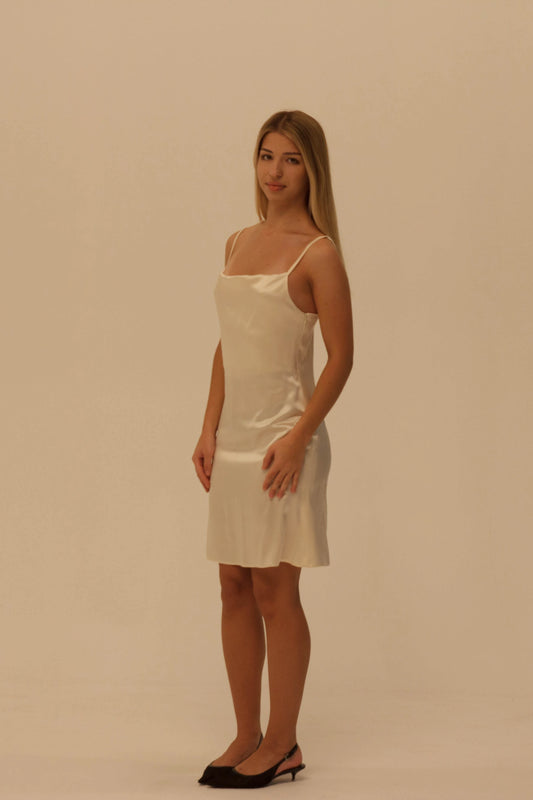
Silk Charmeuse: The Classic Slip Dress Silk
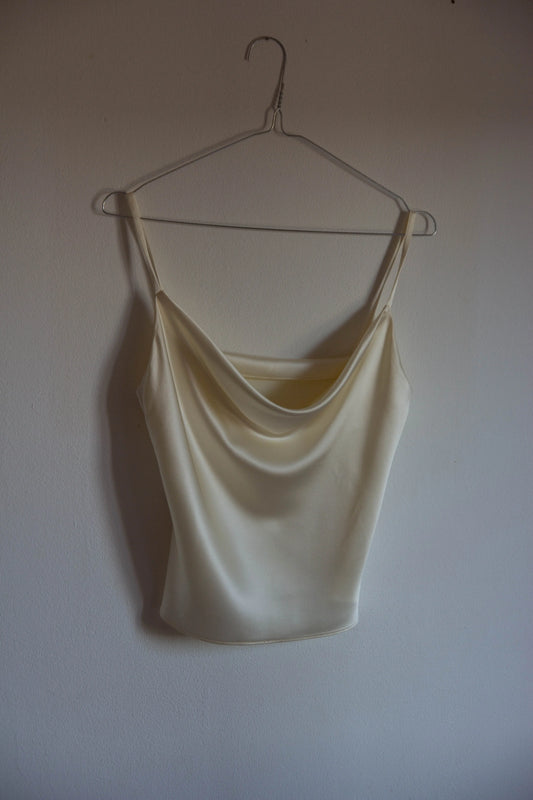
What it is: A satin weave fabric with a lustrous front and matte back.
Characteristics
Appearance:
- Glossy, reflective front surface
- Dull, matte back
- Luxurious sheen that catches light beautifully
- Smooth, even texture
Hand-feel:
- Extremely smooth and slippery
- Soft against skin
- Fluid and lightweight
- Cool to the touch
Drape:
- Excellent drape, flows like liquid
- Skims the body without clinging
- Creates elegant, fluid silhouettes
- Beautiful movement
Durability:
- Moderate (more delicate than twill or crepe)
- Can snag easily
- Shows watermarks if wet
- Requires careful handling
Best Used For
Ideal applications:
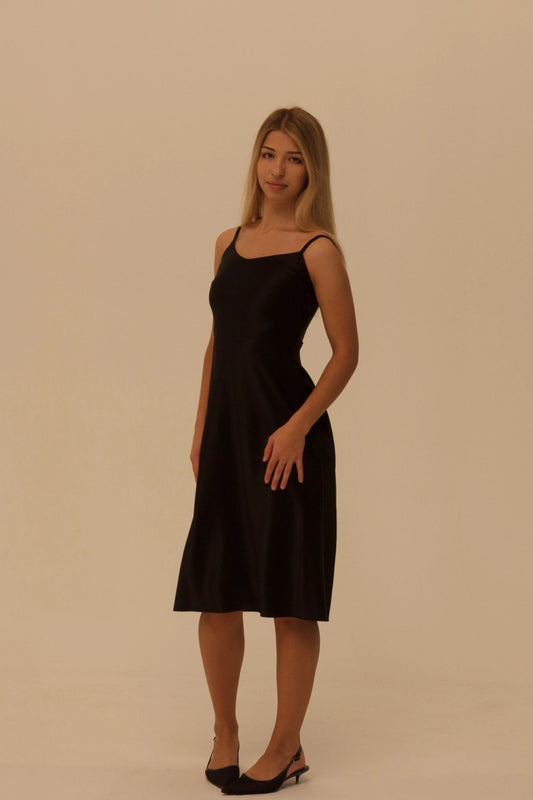
- Slip dresses and bias-cut dresses
- Flowing blouses and shirts
- Luxurious skirts
- Evening wear and special occasion pieces
- Lingerie and sleepwear
Why it works: The fluid drape and lustrous surface create that signature "silk" look, elegant, feminine, luxurious.

What to Know Before Buying
Charmeuse is beautiful but precious:
- Don't expect it to withstand rough treatment
- It wrinkles easily (this is normal)
- The sheen shows every imperfection in construction
- Best for garments you'll wear carefully, not throw in a bag
Weight matters enormously:
- 12-14mm charmeuse: Very delicate, often too thin for clothing
- 16-19mm charmeuse: Good for blouses and light dresses
- 19-25mm charmeuse: Ideal for dresses and skirts, substantial but still fluid
- 25mm+: Heavier, more durable, beautiful drape
If someone sells you a silk charmeuse dress without specifying momme weight, assume it's on the lighter (flimsier) end.
Crepe de Chine: The Sophisticated Alternative
What it is: A lightweight fabric with a slightly crinkled, matte surface created by tightly twisted yarns.
Characteristics
Appearance:
- Matte finish (no shine)
- Subtle texture (slight pebbling)
- Soft, elegant look
- Less reflective than charmeuse
Hand-feel:
- Slightly textured (not slippery-smooth)
- Soft but with more body than charmeuse
- Comfortable against skin
- Less "precious" feeling
Drape:
- Excellent drape, but with more structure than charmeuse
- Flows beautifully but doesn't cling
- Creates soft, elegant lines
- More forgiving of body shape than charmeuse
Durability:
- More durable than charmeuse
- Resists snagging better
- Hides small imperfections
- Wrinkles less visibly
- More practical for everyday wear
Best Used For
Ideal applications:
- Professional blouses and shirts
- Everyday dresses
- Trousers and skirts that need structure
- Travel clothing (wrinkles less obviously)
- Pieces you'll wear frequently
Why it works: Crepe de chine gives you silk's luxury and comfort without the high-maintenance shininess of charmeuse. It's silk for real life.

What to Know Before Buying
Crepe de chine is the practical silk:
- Looks expensive without being flashy
- Easier to care for than charmeuse
- More versatile (works in professional settings where shiny silk might feel too dressy)
- Ages gracefully
The texture is intentional:
- That slight crinkle is what makes it crepe
- It's not a defect, it's the characteristic of the weave
- Some people prefer this matte elegance to charmeuse's shine
Weight range:
- Typically 12-19mm for blouses
- 19-25mm for dresses and structured pieces
- Crepe can be lighter weight than charmeuse while still feeling substantial (the weave adds body)
Silk Satin vs. Silk Charmeuse: What's the Difference?
This confuses everyone. Here's the truth:
The Technical Reality
Satin is a weave type, not a fiber.
Charmeuse is silk woven in a satin weave.
So technically:
- Charmeuse is a type of satin
- But not all satin is charmeuse
- Charmeuse specifically refers to silk satin (or very high-quality rayon satin)
In Practical Terms
When shopping:
"Silk satin" usually means:
- Silk woven in a satin weave (same as charmeuse)
- May be heavier weight than typical charmeuse
- Often used for bridal, evening wear, or home goods
- Can be single-sided (shiny on one side only) or double-sided (shiny on both)
"Charmeuse" specifically means:
- Lightweight to medium-weight silk satin
- Always single-sided (shiny front, matte back)
- Typically used for clothing (dresses, blouses)
- Generally more drapey than what's labeled "satin"
The Confusion Factor
Why this is confusing:
Different sellers use these terms inconsistently:
- Some call all silk satin "charmeuse"
- Some reserve "charmeuse" for lightweight drapey versions
- Some use "satin" for heavier silk and "charmeuse" for lighter silk
- Some use them interchangeably
What to do:
- Don't rely on the name alone
- Check the weight (momme)
- Ask about drape and hand-feel
- Request fabric samples if possible
General rule of thumb:
- If it's for a slip dress or flowing blouse → probably charmeuse (or lightweight silk satin)
- If it's for structured evening wear or heavy curtains → probably heavier silk satin
- But always verify the actual specifications
Silk Twill: Structure and Durability
What it is: A diagonal weave pattern that creates a distinctive ribbed texture and excellent durability.
Characteristics
Appearance:
- Diagonal rib pattern visible on the surface
- Matte to slight sheen (less shiny than charmeuse)
- Structured, tailored look
- Subtle texture
Hand-feel:
- Smooth but with distinct weave texture
- Firmer than charmeuse or crepe
- Substantial and weighty
- Feels durable and strong
Drape:
- Less drape than charmeuse or crepe
- Holds shape rather than flowing
- Creates clean, structured lines
- Good for tailored garments
Durability:
- Most durable of the common silk weaves
- Resists snagging and tearing
- Hides wear well
- Can withstand frequent use
- Excellent for high-use items
Best Used For
Ideal applications:
- Tailored trousers
- Structured blazers and jackets
- A-line or pencil skirts that need body
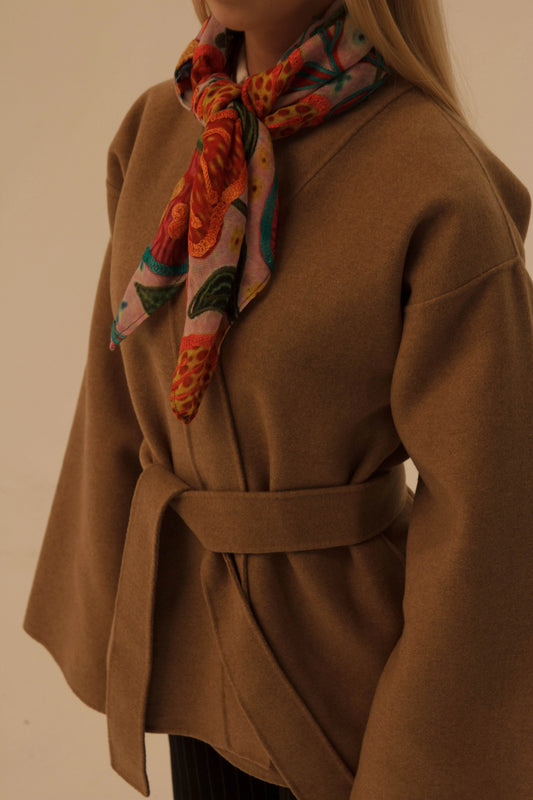
- Scarves (the classic silk scarf is often twill)
- Ties and accessories
- Garments that need to hold their shape
Why it works: The diagonal weave creates strength and structure. This is silk that can handle real life, sitting, moving, frequent wear.

What to Know Before Buying
Twill is the workhorse silk:
- You can actually wear it regularly without anxiety
- It doesn't wrinkle as easily as other silks
- The texture hides minor imperfections and wear
- It feels more "everyday" than precious
Common uses:
- Hermès scarves are typically silk twill (durable enough for daily wear and tying)
- High-quality silk trousers are usually twill (structure + durability)
- Vintage silk blouses are often twill (they've survived because twill lasts)
The trade-off:
- You lose the fluid drape of charmeuse
- It's not the best choice for slip dresses or flowing silhouettes
- But you gain practicality and longevity
Which Silk for Which Garment
Here's a quick reference guide:
For Slip Dresses and Bias-Cut Dresses
Best choice: Charmeuse (19-25mm)
Why: You need maximum drape. The fluid, body-skimming silhouette requires silk that flows. Charmeuse's glossy surface also creates that classic "silk slip dress" aesthetic.
Alternative: Crepe de chine (16-19mm)
If you want a slip dress with slightly more structure and a matte finish. Less traditionally "slip dress" but beautiful in its own way.
For Blouses and Shirts
Best choice: Crepe de chine (14-16mm) or Charmeuse (16-19mm)
Why: Crepe de chine is more practical for everyday wear, matte finish works in professional settings, and it wrinkles less visibly. Charmeuse works for special blouses or evening shirts where you want shine.
Alternative: Silk twill (for structured shirts)
If you want a shirt with body and crispness. Works well for menswear-inspired styles.
For Trousers
Best choice: Silk twill or heavy crepe de chine
Why: You need structure and durability. Trousers take more abuse than dresses. Twill's diagonal weave provides strength, and the fabric holds creases well.
Avoid: Charmeuse
Too slippery and delicate for trousers unless it's very heavy weight, and even then it's impractical.
For Tailored Blazers and Jackets
Best choice: Silk twill
Why: Structure is essential. You want the fabric to hold shape, not drape. Twill provides this while still being luxurious.
Alternative: Heavy silk crepe
Can work if you want a softer, less structured blazer.
For Skirts
Depends on the style:
A-line or pencil skirts: Silk twill or crepe de chine
- Need to hold shape
- Should have some body
Flowing, bias-cut skirts: Charmeuse (19-25mm)
- Need drape and movement
- Benefit from the fluid quality
For Scarves
Best choice: Silk twill
Why: Hermès made this famous. Twill is strong enough to be tied and untied repeatedly, durable enough for daily wear, and the diagonal weave creates beautiful color saturation in prints.
Alternative: Crepe de chine (for softer, drapier scarves)
For Evening Wear and Special Occasions
Best choice: Charmeuse or silk satin (depending on desired drape vs. structure)
Why: You want luxury and visual impact. The sheen photographs beautifully. You're not wearing it daily, so delicacy is acceptable.
Common Misconceptions About Silk Types
Misconception 1: "Shinier = Better Quality"
Reality: Shine indicates weave type, not quality.
Charmeuse is shiny. Crepe de chine is matte. Both can be excellent quality or poor quality, it depends on the grade of silk, the momme weight, and the construction.
High-quality matte silk (crepe) can be more expensive than low-quality shiny silk (thin charmeuse).
Don't judge silk quality by shine.
Misconception 2: "Satin Is Not Real Silk"
Reality: Satin is a weave, not a fiber.
"Satin" can be made from silk, polyester, rayon, or other fibers. When you see "silk satin," it means silk woven in a satin weave (which produces the characteristic shine).
Always check: "satin" alone might be polyester. "Silk satin" or "charmeuse" should be real silk.
Misconception 3: "All Silk Is Delicate"
Reality: Silk twill is remarkably durable.
Yes, thin charmeuse is delicate. But silk twill can withstand significant wear. Vintage silk scarves from the 1950s are still in circulation because silk twill lasts.
Silk can be practical if you choose the right weave.
Misconception 4: "Crepe Silk Is Damaged or Defective"
Reality: The crinkled texture is intentional and desirable.
The slight pebbling in crepe de chine comes from tightly twisted yarns. It's a sophisticated finish, not a flaw.
If someone tells you crepe looks "wrinkled" or "damaged," they don't understand silk.
Misconception 5: "Heavier Silk Is Always Better"
Reality: Weight should match the garment's purpose.
25mm charmeuse is too heavy for a delicate blouse, it won't drape properly. 12mm charmeuse is too light for a dress, it'll be see-through and flimsy.
The right weight depends on what you're making.
Misconception 6: "You Can't Wash Silk"
Reality: Most silk can be hand-washed or gently machine-washed.
Dry cleaning is often recommended to avoid risk, but silk itself is washable:
- Use cool water
- pH-neutral detergent
- Gentle handling (don't wring)
- Air dry
The weave doesn't change whether silk is washable. The construction and dyes do.
A well-made silk garment in any weave can typically be carefully hand-washed.
How to Choose the Right Silk
When shopping, ask these questions:
1. What's the weave type?
- Charmeuse/satin (fluid, shiny)
- Crepe de chine (matte, textured)
- Twill (structured, durable)
2. What's the weight (momme)?
- 12-14mm: Very light (usually too delicate for clothing)
- 14-16mm: Light (blouses, light dresses)
- 16-19mm: Medium (versatile for most clothing)
- 19-25mm: Medium-heavy (dresses, skirts, ideal weight)
- 25mm+: Heavy (structured garments, evening wear)
3. What will you use it for?
- Daily wear: Crepe de chine or twill
- Special occasions: Charmeuse
- Tailored pieces: Twill
- Fluid dresses: Charmeuse
If the seller can't answer these questions, shop elsewhere.
Quality silk sellers know their weaves and weights, it's fundamental to what they're selling.
Final Thoughts
"100% silk" is just the beginning.
The weave determines:
- How the fabric drapes
- How it feels against your skin
- How durable it is
- How it should be used
- How it ages over time
Charmeuse is classic elegance, fluid, shiny, beautiful. Use it when you want silk to look like "silk."
Crepe de chine is sophisticated practicality, matte, textured, durable. Use it when you want silk for real life.
Silk satin is charmeuse's heavier cousin, more structure, still luxurious. Use it for evening wear and special pieces.
Twill is the workhorse, strong, structured, long-lasting. Use it when you need silk that can handle daily wear.
Now you know the difference.
Next time you're shopping for silk, you'll know exactly what to ask for, and exactly what you're getting.