Why You Can't Build a Wardrobe From Trends
Miron BradicYou buy a trendy blazer in March because it's everywhere on Instagram. By June, it looks dated. By September, you can't remember why you bought it.
Meanwhile, that simple black trousers you bought three years ago? You wear them twice a week and they still look perfect.
This isn't a coincidence. It's the fundamental difference between building a wardrobe and chasing trends.
Here's why one works, and the other leaves you with a closet full of clothes and nothing to wear.
The Trend Cycle Is Breaking Us
The fashion industry has accelerated to an unsustainable pace, both for the planet and our wardrobes.
From Seasons to Micro-Trends
Traditional fashion operated on two main seasons: Spring/Summer and Fall/Winter. Brands released collections twice a year. Trends lasted years, sometimes decades.
Now we have:
- 52 micro-seasons: Fast fashion brands release new items weekly
- TikTok trend cycles: Styles go viral and die within weeks
- Algorithm-driven fashion: What you see is engineered to make you feel behind
The result: Perpetual dissatisfaction with what you own.
You're not imagining that trends move faster than they used to. They do. A "trend" that would have lasted three years in the 1990s now lasts three months, or three weeks.
The Zara Burnout Effect
Fast fashion has trained us to:
- Buy impulsively (it's cheap, why not?)
- Expect newness constantly (last month's purchase feels old)
- Discard quickly (it falls apart anyway)
- Repeat endlessly (the closet stays full but never satisfying)
This is exhausting. And expensive.
The math: Buying a €40 trendy piece every two weeks = €1,040 per year on clothes you'll barely wear past the season.
The psychology: Each purchase provides a tiny dopamine hit that fades quickly, requiring another purchase to recreate the feeling.
The outcome: A wardrobe stuffed with clothes, but nothing that feels right when you need to get dressed for something important.
Why Micro-Trends Don't Work
Micro-trends are, by definition, designed to be disposable:
They're visually loud: Extreme proportions, unusual details, distinctive patterns. This makes them instantly recognizable, and instantly dateable.
They're cheaply made: Producers know these won't be worn long-term, so construction quality is minimal.
They're everywhere simultaneously: When thousands of people wear the same trendy piece at once, it loses its appeal quickly.
They don't integrate: Trendy pieces rarely work with the rest of your wardrobe. They require specific styling that only works right now.
The result: You buy the piece, wear it three times while it's "in," then it sits in your closet as a relic of a moment that's already passed.
What a Good Wardrobe Actually Means
A functional wardrobe isn't about having lots of clothes. It's about having the right clothes.
Function + Beauty
A piece earns its place in your wardrobe when it delivers both:
Function:
- Fits your actual life (not an aspirational fantasy version)
- Works for multiple occasions
- Combines easily with other pieces you own
- Remains appropriate year after year
- Withstands regular wear without falling apart
Beauty:
- Makes you feel confident when wearing it
- Flatters your body in a way that feels authentic to you
- Has a quality you notice and appreciate (fabric, cut, detail)
- Brings genuine pleasure, not just novelty
When both are present: You reach for it constantly. It becomes part of your identity, not just your closet.
When only one is present: It either sits unworn because it doesn't fit your life, or you wear it out of obligation despite not loving it.
Quality Over Quantity
The math is counterintuitive but true:
Trend-based wardrobe:
- 50+ pieces
- Wear each piece 3-10 times
- Replace constantly
- Total annual cost: €1,000-€3,000
- Satisfaction level: Low (always feels like something's missing)
Staple-based wardrobe:
- 15-25 core pieces
- Wear each piece 50-100+ times
- Replace rarely
- Total annual cost: €500-€1,500 (amortized over years)
- Satisfaction level: High (everything works together)
The second wardrobe costs less, takes up less space, causes less decision fatigue, and makes you feel better every time you get dressed.
How to Identify a True Staple
Not all "basics" are created equal. A true wardrobe staple has specific characteristics.
The Cut
Staples have clean, timeless silhouettes:
Good staple cuts:
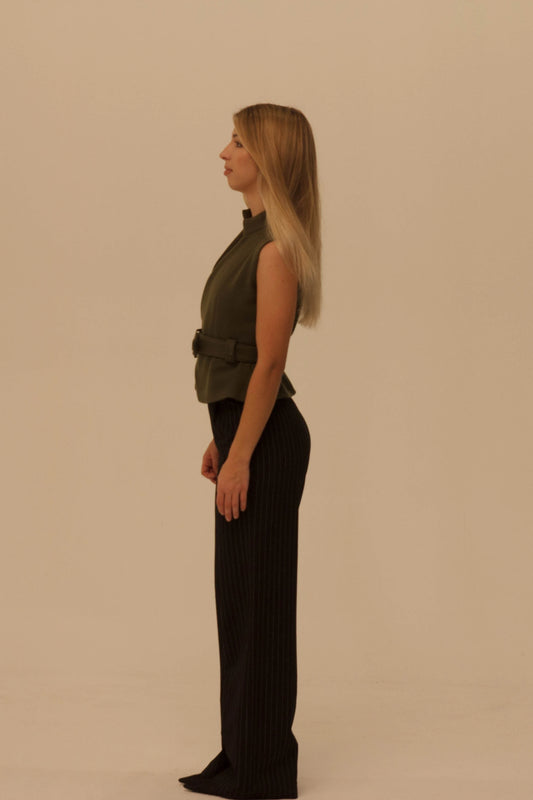
- Tailored trousers with a straight or slightly tapered leg
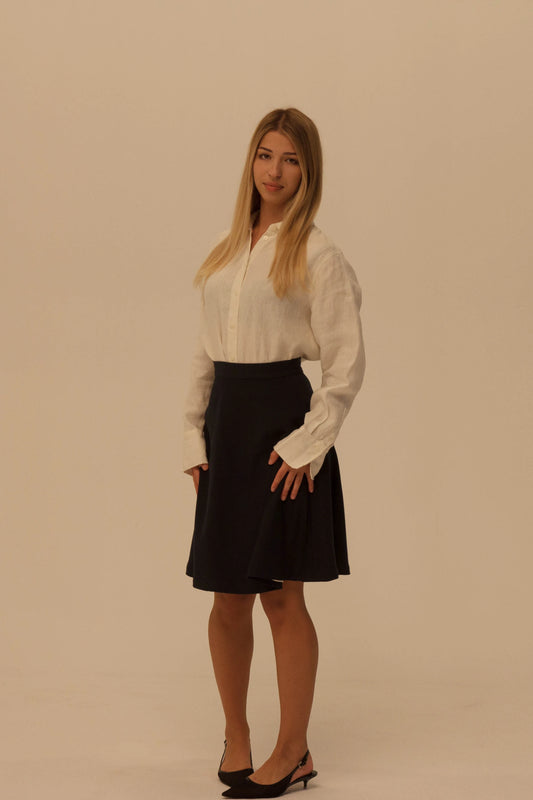
- A-line or straight-cut skirts that hit at the knee or midi length
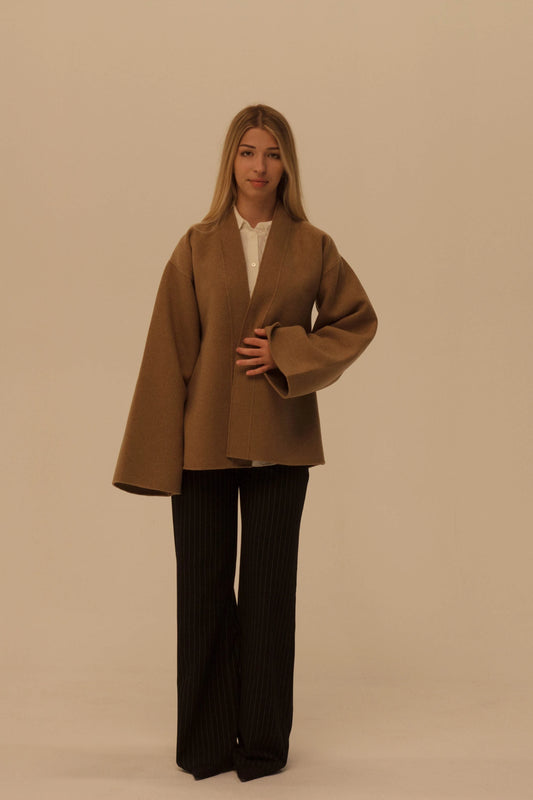
- Blazers with classic proportions (not overly boxy or exaggeratedly fitted)
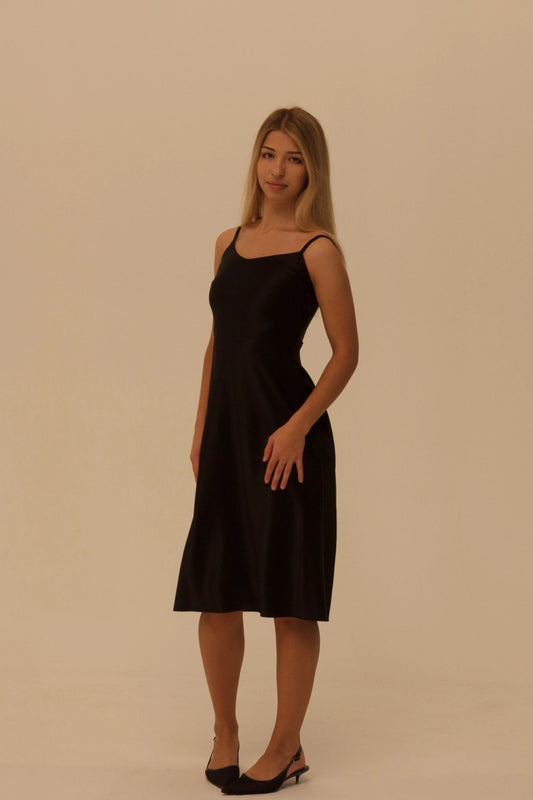
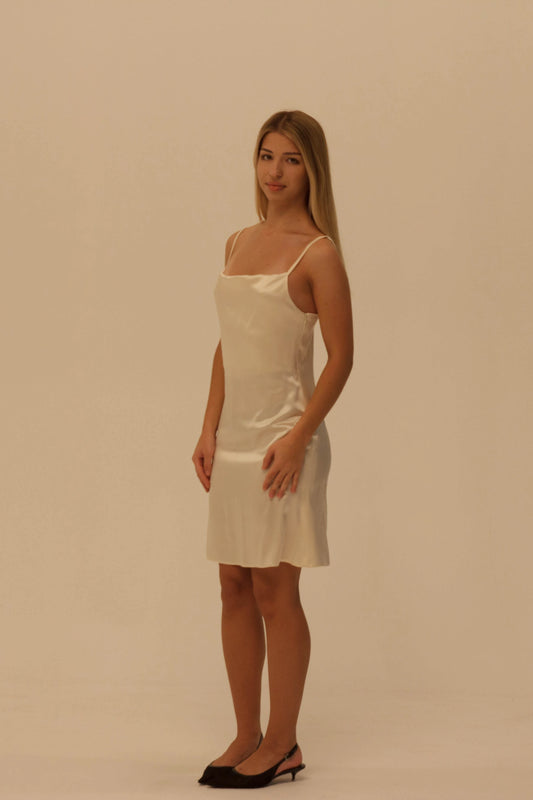
- Simple shift or slip dresses with minimal embellishment
- Well-fitted knitwear with classic necklines
Not staple cuts:
- Extreme proportions (giant shoulders, ultra-wide legs, micro-mini lengths)
- Trend-specific details (cutouts in unusual places, asymmetric hems for novelty not intention)
- Anything that screams a specific era too loudly
Why cut matters: Silhouettes that have existed for decades will continue to exist for decades. They're based on classic body proportions and human movement, not momentary aesthetic whims.
The test: Look at fashion from 20 years ago. If a silhouette still looks good, it's probably a staple. If it looks dated, it was a trend.
The Material
Staples use materials that improve with age:
Ideal staple materials:
- Natural fibers: wool, silk, linen, cotton, cashmere
- High-quality versions of these (fine-grade, long-fiber, proper weight)
- Materials that develop patina rather than deteriorate
Not ideal for staples:
- Synthetics that pill, shine, or degrade quickly
- Delicate materials that require extreme care
- Novelty fabrics (metallics, plastics, exaggerated textures)
Why material matters: A wool blazer looks better after 50 wears. A polyester trend piece looks worse after five wears. The former becomes a wardrobe anchor. The latter becomes a donation.
The investment: One €400 cashmere sweater worn 100 times over five years = €4 per wear. One €40 acrylic sweater worn 10 times = €4 per wear, plus it looks cheap and pills immediately.
The Silhouette
Staples flatter without trying too hard:
The best staples work with your body, not against it. They:
- Follow natural lines without excessive structure or draping
- Create proportions that balance your frame
- Allow movement without restriction
- Look intentional, not accidental
The difference:
- Trend: "This only works if you style it exactly like the influencer did"
- Staple: "This works however I style it"
Personal adaptation: Your staples might differ slightly from someone else's based on body type, lifestyle, and personal aesthetic. That's correct. A true staple feels like it was made for you.
The Color
Staple colors are either neutral or deeply personal:
Universal neutral staples:
- Black, navy, charcoal, camel, cream, white, stone, olive
These work because they:
- Combine with everything
- Don't compete with each other
- Allow accessories or accents to shine
- Never look dated
Personal color staples:
- A specific shade that makes you feel confident
- A color that complements your skin tone perfectly
- A hue you're genuinely drawn to, not one trending this season
The test: If you're buying a colored piece, ask: "Would I still want this in this exact color in five years?" If the answer is yes, it can be a staple. If it's "I like it because everyone's wearing burnt orange right now," it's a trend.
The Versatility Test
A true staple passes this test:
Can you mentally style it with at least 5 other pieces you already own?
If yes: It integrates into your wardrobe. It's a staple.
If no: It's an orphan piece that will require specific items to work. It's probably a trend or impulse buy.
The 3-outfit rule: Before buying any piece, you should be able to immediately think of three complete outfits using items you already own. If you can't, don't buy it, no matter how much you love it in the store.
The Long-Term Cost of Impulse Shopping
Let's be honest about what trend-chasing actually costs over time.
The Financial Reality
Year 1 of trend-chasing:
- 30 trend pieces at average €50 each = €1,500
- Wears per piece: 5-10 times
- Cost per wear: €5-€10
Year 1 of staple-building:
- 8 staple pieces at average €200 each = €1,600
- Wears per piece in Year 1: 20-30 times
- Cost per wear in Year 1: €6-€10
Similar cost per wear initially.
Year 3 of trend-chasing:
- Original 30 pieces: mostly discarded or unworn
- New purchases over 3 years: 80+ more pieces
- Total spent: €4,500+
- Current wardrobe satisfaction: Low (closet full, nothing to wear)
Year 3 of staple-building:
- Original 8 pieces: still wearing regularly
- New additions: 10 complementary pieces
- Total spent: €2,800
- Wears per original piece by Year 3: 100+ times
- Cost per wear of original pieces: €2 and dropping
- Current wardrobe satisfaction: High (cohesive, functional)
Year 5:
- Trend-chasing total: €7,500+, constant dissatisfaction
- Staple-building total: €4,000, deeply satisfying wardrobe
The financial difference is substantial. The psychological difference is immeasurable.
The Environmental Cost
Beyond personal finances, trend-chasing has environmental consequences:
Fast fashion's impact:
- Clothing production has doubled in 15 years
- Average garment is worn 7 times before disposal
- Textile waste has increased 60% in 20 years
- 85% of textiles end up in landfills
Staple wardrobes reduce this:
- Buying less frequently = less production demand
- Wearing pieces 100+ times = maximizing use
- Higher quality = less textile waste
- Natural fibers = biodegradable when finally discarded
You don't have to be an environmental activist to recognize that buying one piece worn 100 times is more sensible than buying 10 pieces worn 10 times each.
The Psychological Cost
Trend-chasing creates subtle but persistent stress:
Decision fatigue: Too many options, none of which feel quite right
Constant inadequacy: Your wardrobe always feels incomplete or behind
Guilt and waste: Knowing you spent money on things you barely wore
Identity confusion: Your style changes every season based on what's trendy, not who you are
A staple wardrobe provides the opposite:
- Easy decisions (everything works together)
- Confidence (you know these pieces suit you)
- Clarity (your wardrobe reflects your actual taste)
- Consistency (your style is recognizable and authentic)
How Quiet Luxury Brands Approach Wardrobe Design
Brands built on longevity, not trends, operate from entirely different principles.
Design Philosophy
Quiet luxury brands design for:
Timelessness over trendiness:
- Collections look similar year to year (intentionally)
- Silhouettes are refined, not reinvented each season
- Changes are subtle evolutions, not dramatic departures
Quality over novelty:
- Significant investment in materials
- Expert construction that ensures longevity
- Details invisible to casual observers but felt by the wearer
Versatility over statement:
- Pieces work across occasions (work, dinner, travel)
- Neutral colors dominate (with selective color accents)
- Nothing so distinctive that it can't be worn repeatedly
The result: A brand's customer can build a cohesive wardrobe over years, adding pieces that integrate seamlessly with previous purchases.
The Anti-Trend Approach
What these brands don't do:
❌ Release dozens of new styles each season
❌ Chase viral moments or influencer trends
❌ Use cheaply-made fabrics to hit lower price points
❌ Design pieces that only work styled one specific way
❌ Create intentionally disposable items
What they do instead:
✅ Perfect a smaller number of core styles
✅ Maintain consistency in sizing and quality
✅ Use materials that improve with age
✅ Design for real bodies and real lives
✅ Stand behind products with proper care guidance and repair services
Brands that embody this: The Row, Max Mara, Loro Piana, Brunello Cucinelli, Jil Sander, Margaret Howell.
These brands aren't exciting in the TikTok sense. They're exciting in the "I still love this coat I bought seven years ago" sense.
The Made-to-Order Model
Some brands take anti-trend even further with made-to-order:
Benefits:
- Zero overproduction (pieces only exist because someone wants them)
- Opportunity for custom fitting
- Intentional purchase rather than impulse
- Eliminates the "sale" mentality (no discounts, no FOMO)
Why it works for wardrobes: Made-to-order forces you to really consider if you need something. The wait time (2-6 weeks typically) eliminates impulse. You're building deliberately, not accumulating.
Example Wardrobe Blueprints
Here are functional starting points for different lifestyles. These aren't rules, they're frameworks you adapt to your life.
Blueprint 1: Professional Minimalist
Core 10 pieces that create 30+ outfits:
Bottoms:
- Black tailored trousers (wool, classic fit) - €300-€500
- Navy straight-leg trousers (alternative to black for variety) - €300-€500
- Midi pencil skirt (neutral: black, camel, or navy) - €250-€400
Tops:
- White silk shirt (classic collar, perfect fit) - €200-€350
- Black cashmere crewneck sweater (fine-gauge) - €300-€500
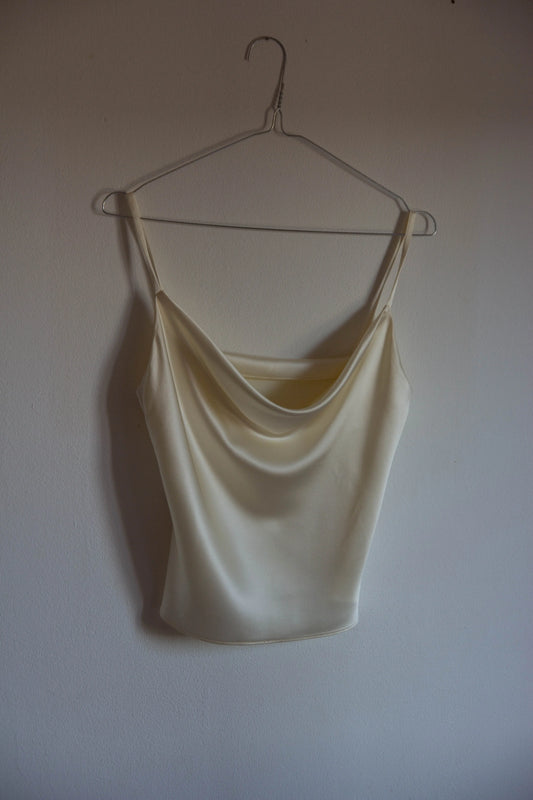
- Ivory silk blouse (simple, elegant) - €200-€350
Outerwear:
- Tailored wool blazer (black or navy, perfect fit) - €500-€800
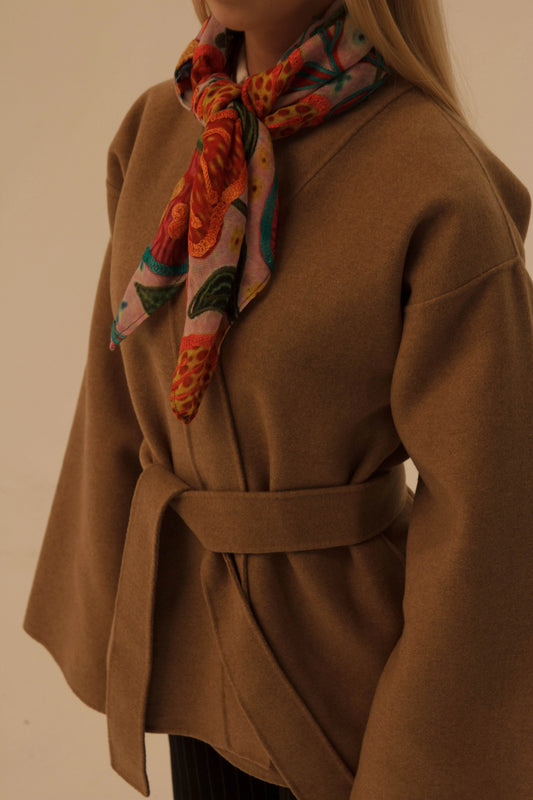
- Camel wool coat (classic length, quality construction) - €700-€1,200
Dresses:
- Black sleeveless dress (midi length, simple silhouette) - €300-€500
- Navy or charcoal shift dress (work-appropriate) - €250-€400

Total investment: €3,800-€6,000
Cost per piece over 5 years (100+ wears each): €7.60-€12 per wear
What this creates:
- Professional appearance for any occasion
- Endless mixing and matching
- Confident simplicity
- Never looks dated
- Works across seasons with layering
Blueprint 2: Creative Professional
Core 12 pieces for style with flexibility:
Bottoms:
- Black straight-leg jeans (proper denim, not distressed) - €150-€300
- Wide-leg linen trousers (natural or black) - €250-€400
- Midi slip skirt (silk or satin, neutral or deep color) - €200-€350
Tops:
- Classic white t-shirt (heavy cotton, perfect fit) - €80-€150
- Black turtleneck (fine merino or cashmere) - €200-€350
- Striped Breton shirt (quality cotton) - €100-€200
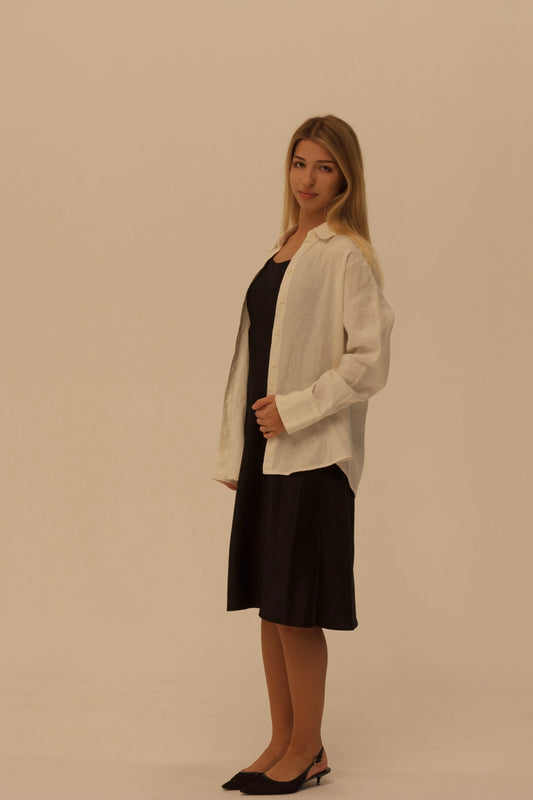
- Oversized white linen shirt (relaxed elegance) - €150-€250
Layers:
- Unstructured blazer (linen or wool, relaxed fit) - €400-€600
- Long cardigan (cashmere or wool, neutral) - €300-€500
Dresses:
- Black slip dress (silk, midi length) - €300-€500
- Simple linen dress (neutral color, easy silhouette) - €200-€350
Statement piece:
- One distinctive piece in your signature style (could be a colored cashmere sweater, unique jacket, or special fabric) - €300-€600
Total investment: €2,630-€4,850
What this creates:
- Professional but personal
- Easy day-to-night transitions
- Room for individual expression
- Comfortable and polished
- Mix of structure and ease
Blueprint 3: Elegant Casual
Core 8 pieces for refined everyday wear:
Bottoms:
- Dark straight-leg jeans (premium denim) - €150-€300
- Neutral linen trousers (relaxed but tailored) - €200-€350
Tops:
- Fine-knit cashmere sweater (V-neck or crew, neutral) - €300-€500
- Perfect white t-shirt (substantial cotton) - €80-€150
- Chambray or denim shirt (lightweight, quality) - €120-€200
Dresses:
- Black jersey dress (simple, flattering cut) - €200-€350
- Linen dress (midi length, effortless) - €250-€400
Outerwear:
- Classic trench coat (neutral, quality fabric) - €500-€900
Total investment: €1,800-€3,150
What this creates:
- Effortless polish
- Comfortable enough for daily life
- Appropriate for casual professional settings
- Easy to maintain
- Always looks put-together
The Addition Strategy
Once you have your core pieces, add strategically:
Year 1: Establish the foundation (8-12 core pieces)
Year 2: Add 2-3 complementary pieces that fill gaps you've discovered in real wearing
Year 3: Replace any worn-out pieces; add 1-2 new items
Year 4-5: Minimal additions, you have what you need; focus on maintenance and care
The result after 5 years: 15-20 pieces you wear constantly, know intimately, and genuinely love.
How to Transition From Trends to Staples
If you're currently living in a trend-based wardrobe, the shift takes time. Here's how to do it without starting over completely.
Step 1: Audit What You Actually Wear
Pull everything out of your closet. Separate into three piles:
Pile 1 - Love and Wear Regularly:
- Pieces you reach for constantly
- Make you feel confident
- Work with multiple other items
Pile 2 - Own But Rarely Wear:
- Seemed like a good idea
- Don't quite fit or feel right
- Require specific styling you never do
Pile 3 - Trends You're Over:
- Obviously dated
- Worn fewer than 5 times
- Wouldn't buy today
What this reveals: Pile 1 shows your actual style (what works). Piles 2 and 3 show your impulse patterns (what doesn't work).
Step 2: Identify Patterns in What Works
Look at Pile 1. What do these pieces have in common?
- Specific colors you're drawn to
- Silhouettes that flatter you
- Materials you find comfortable
- Level of formality that suits your life
This is your actual style, not what you think you should wear, or what's trending, but what genuinely works for you.
Step 3: Stop Buying (Temporarily)
Implement a 90-day shopping pause.
Why:
- Breaks impulse habit
- Reveals what you actually need vs. want in the moment
- Gives time to understand your existing wardrobe
- Resets your relationship with consumption
Exception: If something genuinely wears out and needs replacing, that's fine. But be honest, does it need replacing, or do you just want something new?
Step 4: Create a Wish List (Not a Shopping List)
During your pause, make a list of:
- Gaps in your wardrobe (I need X to make Y and Z work together)
- Replacements for worn-out favorites
- One or two pieces that would truly elevate your wardrobe
Criteria for the list:
- Specific (not "a jacket" but "a black wool blazer with classic lapels in size 38")
- Integrated (works with at least 5 items you already own)
- Justified (fills a real need, not a momentary desire)
Step 5: Buy One Perfect Thing
After 90 days, buy ONE item from your wish list.
Requirements:
- Must be the best version you can afford
- Must fit perfectly (alter if needed)
- Must be exactly what you envisioned
Why only one:
- Forces you to choose carefully
- Prevents slipping back into accumulation
- Allows you to integrate it fully into your wardrobe
- Makes each purchase meaningful
Step 6: Repeat Slowly
Continue this pattern: wear what you have, identify a true need, buy one perfect thing, integrate it, repeat.
Timeline: Add 3-5 pieces per year, maximum.
Result: In 2-3 years, you'll have completely transformed your wardrobe without a massive overhaul or spending spree.
The Mindset Shift
Building a wardrobe instead of chasing trends requires a different way of thinking about clothes.
From Novelty to Longevity
Trend mindset: "I need something new and different"
Staple mindset: "I need something I'll love for years"
From Quantity to Quality
Trend mindset: "More options = better wardrobe"
Staple mindset: "Fewer perfect pieces = easier life"
From Impulse to Intention
Trend mindset: "I'll buy this now and figure out how to wear it later"
Staple mindset: "I know exactly where this fits in my wardrobe before I buy it"
From Following to Defining
Trend mindset: "Everyone's wearing this, so I should too"
Staple mindset: "This reflects who I actually am"
From Consumption to Curation
Trend mindset: "Shopping as entertainment"
Staple mindset: "Building as an art form"
This shift is psychological, not just practical. It's moving from external validation (wearing what's trending) to internal satisfaction (wearing what truly suits you).
The Long-Term Reality
Here's what happens when you build a wardrobe from staples instead of trends:
Year 1:
- Feels restrictive at first (fewer new purchases)
- Requires discipline (saying no to trends)
- Some wardrobe gaps remain (you're building slowly)
Year 2:
- Pieces start working together seamlessly
- Getting dressed becomes easier
- You develop a recognizable style
- Compliments shift from "cool" to "elegant" or "timeless"
Year 3-5:
- Your wardrobe feels complete (not perfect, but functional)
- You rarely need to shop
- Pieces have developed character (worn-in, personalized)
- Your style becomes effortless
Year 5+:
- People recognize your style before they see your face
- You have genuine attachment to your clothes
- Each piece has history and meaning
- Your wardrobe is an asset, not a burden
This is the opposite of trend fatigue. It's trend immunity.
Final Thoughts
Trends aren't inherently bad. They're cultural moments, creative expressions, playful experiments.
But you can't build a functional wardrobe from them.
A wardrobe built on trends will always leave you feeling behind, incomplete, and vaguely dissatisfied, no matter how much you spend or how much you own.
A wardrobe built on well-chosen staples provides the opposite: clarity, confidence, and the freedom that comes from knowing exactly what you're putting on matters because it reflects who you actually are.
The difference is simple:
Trends are about looking current.
Staples are about looking like yourself.
One requires constant effort and expense to maintain.
The other becomes easier and more satisfying with time.
Choose accordingly.