What Is Mulberry Silk? Origins, Quality, and Why It Matters in Luxury Clothing
Miron BradicSilk has been synonymous with luxury for over four thousand years. But not all silk is created equal.
Walk into a store and see two garments both labeled "100% silk." One costs €150, the other €600. Both feel smooth. Both look elegant. So what's the difference?
Often, it's the type of silk. And the highest quality silk, the standard against which all others are measured, is mulberry silk.
Here's what that actually means, why it matters, and how to recognize genuine quality when you're buying silk garments.
The Origins of Silk
Silk production began in China around 3000 BCE, though legend pushes the date back even further. According to Chinese mythology, the Empress Leizu discovered silk when a cocoon fell into her tea and began to unravel, revealing a continuous thread of remarkable strength and luster.
Whether myth or historical fact, China controlled silk production for millennia, keeping the process secret and exporting the finished fabric along trade routes that would eventually be known as the Silk Road. Silk was so valuable it was used as currency, given as diplomatic gifts, and reserved for Chinese nobility until the secret of its production eventually spread.
By the medieval period, silk production had reached Persia, India, and eventually Europe, particularly Italy and France. Each region developed its own techniques and specialties, but the basic process remained the same: harvesting cocoons from silkworms, extracting the fibers, and weaving them into fabric.
Today, China still produces the majority of the world's silk, though Italy has become renowned for silk processing and finishing, and India produces significant quantities of various silk types.
The enduring value of silk comes from its unique properties. It's strong, lustrous, drapes beautifully, regulates temperature, and feels luxurious against skin. These characteristics are present in all silk to some degree, but they're most pronounced in the highest quality silk, which is mulberry silk.
How Silk Is Made
Understanding silk quality requires knowing how it's produced.
Silk comes from the cocoons of silkworms, specifically the larvae of the Bombyx mori moth. The process is called sericulture.
Silkworms are raised from eggs on a controlled diet. After several weeks of eating and growing, each silkworm spins a cocoon around itself using a single continuous thread of silk that can measure up to 900 meters long. This thread is produced from two glands in the silkworm's head and hardens when it contacts air.
To harvest the silk, cocoons are collected before the moth emerges, which would break the thread. The cocoons are heated to dissolve the sericin, a protein that binds the silk fibers together. Multiple threads from several cocoons are then reeled together to create a single strand strong enough to weave.
These strands are twisted together to form yarn, which is then woven into fabric. The weave type determines the final character of the silk: charmeuse creates lustrous, drapey fabric; crepe de chine produces a matte, textured surface; organza creates crisp, sheer material.
What varies most significantly isn't the basic process, which remains largely unchanged for centuries, but the quality of inputs: the type of silkworm, what it eats, and how the fiber is processed.
Types of Silk
Not all silk comes from the same source or has the same characteristics.
Mulberry Silk
Comes from Bombyx mori silkworms raised on a diet of exclusively mulberry leaves. This controlled diet produces the finest, most uniform silk fibers. The threads are long, smooth, and consistent in thickness, creating fabric that's lustrous, soft, and drapes beautifully. This is the silk used in luxury clothing, bedding, and accessories. It represents roughly ninety percent of commercial silk production globally.
Tussar Silk
Also called wild silk, comes from silkworms that feed on trees like oak and juniper rather than mulberry leaves. The resulting silk is coarser, with shorter fibers and a more textured appearance. It has natural color variations, usually in beiges and browns, and a slightly rough hand feel. It's durable and has character, but it's not as refined as mulberry silk.
Eri Silk
Comes from the Samia ricini silkworm, which feeds on castor plants. This silk is harvested differently; the cocoons are allowed to open naturally so the moth can emerge, making the thread shorter since it's broken rather than continuous. The resulting fabric is heavier, less lustrous, and more cotton-like in texture. It's used for warmer garments but lacks the drape and sheen of mulberry silk.
Muga Silk
Produced only in Assam, India, from silkworms that feed on specific local plants. It has a natural golden color and is highly durable, but the fibers are coarser than mulberry silk. It's valued for its color and strength but isn't as soft or drapey as mulberry silk.
Each type has its applications and appeal, but for clothing where drape, softness, and luster matter, mulberry silk is superior. The difference isn't subtle. Mulberry silk feels noticeably smoother, looks more lustrous, and performs better in garments designed for fluid movement and elegant drape.
What Makes Mulberry Silk Different
Mulberry silk's superiority comes from the controlled conditions under which it's produced.
Diet control. Bombyx mori silkworms raised for mulberry silk eat nothing but mulberry leaves. This exclusive diet produces the finest, most uniform silk fibers. Silkworms eating varied plants produce varied fibers with inconsistencies in thickness, strength, and texture. Mulberry-fed silkworms produce predictably high-quality fiber.
Fiber length. Because cocoons aren't allowed to be broken naturally, each cocoon provides a continuous thread up to 900 meters long. This long, unbroken fiber creates fabric with fewer joins and more uniform texture. Wild silks, where cocoons are harvested after the moth emerges or broken during collection, have much shorter fibers that must be spun together more frequently, creating less smooth fabric.
Fiber thickness and uniformity. Mulberry silk fibers are consistently fine, measuring around ten to thirteen microns in diameter. This consistency means the fabric woven from them is even in texture and appearance. Wild silk fibers vary in thickness, creating fabric with visible irregularities and a rougher surface.
Natural sheen. Mulberry silk has a distinctive luster that comes from its triangular fiber structure, which refracts light like a prism. This creates silk's characteristic shimmer. The more uniform and fine the fiber, the more pronounced this effect. Mulberry silk has the best natural sheen of any silk type.
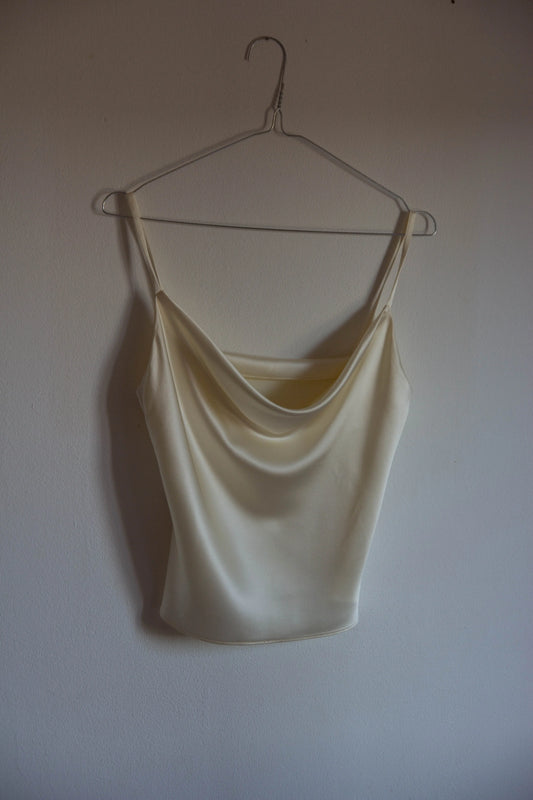
Softness and drape. The combination of fine, long fibers produces fabric that's extraordinarily soft and fluid. Mulberry silk drapes like liquid, skimming over curves without clinging or bunching. This property is essential for bias-cut garments, slip dresses, and anything designed to move with the body.
Durability. Despite being fine and soft, mulberry silk is remarkably strong. The long, continuous fibers create fabric that resists tearing and stands up to years of wear. Well-made mulberry silk garments can last decades, softening slightly with age but maintaining their structure and luster.
These characteristics explain why luxury clothing brands specify mulberry silk. It's not just marketing. It's a measurable difference in fiber quality that translates directly to garment performance.
Where the Best Silk Comes From Today
Silk production is concentrated in specific regions, each with different strengths.
China produces approximately eighty percent of the world's silk. Chinese silk production is highly developed, with sophisticated farming techniques and efficient processing. Quality varies enormously depending on the producer. The best Chinese silk rivals anything produced anywhere, while lower grades are used for less demanding applications.
When buying Chinese silk, the key is knowing the specific mill or producer. Reputable brands specify which Chinese mill supplied their silk, allowing verification of quality standards.
Italy is renowned not for producing raw silk but for processing and finishing it. Italian mills take raw silk from China or elsewhere and transform it into finished fabric through expert weaving, dyeing, and finishing techniques developed over centuries.
Italian silk finishing is considered the gold standard. The fabric is often softer, has better drape, and more refined color than silk finished elsewhere. This is why Italian-finished silk commands premium prices. The craftsmanship in processing matters as much as the raw material quality.
India produces significant quantities of silk, including specialty types like muga and eri. Indian mulberry silk can be excellent, particularly from established producers in Karnataka and West Bengal. Indian silk often has slightly more texture than Chinese or Italian silk, which some prefer for certain applications.
Where silk is produced versus where it's finished matters enormously. Raw silk from China processed in Italy often results in superior fabric compared to silk produced and finished entirely in one location without Italian expertise. Understanding this distinction helps you evaluate silk garments correctly.
Why Silk Quality Matters in Clothing
Silk quality affects every aspect of how a garment performs and lasts.
Drape determines silhouette. High-quality mulberry silk drapes fluidly, creating the elegant lines that make silk garments distinctive. Lower-quality silk or other silk types drape less gracefully, hanging more stiffly or clinging awkwardly. For bias-cut dresses, slip dresses, or any design relying on fabric movement, silk quality is non-negotiable.
Hand feel affects comfort. Mulberry silk feels smooth and cool against skin. Rougher silk types or lower grades of mulberry silk feel coarser, less pleasant to wear. For garments worn close to skin, this difference is immediately apparent.
Durability determines lifespan. Quality mulberry silk withstands years of wear, dry cleaning, and normal stress without degrading. Lower-quality silk pills, snags easily, and develops a worn appearance quickly. The difference in longevity can be years or even decades.
Luster affects appearance. Mulberry silk's natural sheen creates visual interest and makes colors appear richer. Duller silk looks flatter, less luxurious. The luster is part of what makes silk feel special, and it's most pronounced in high-grade mulberry silk.
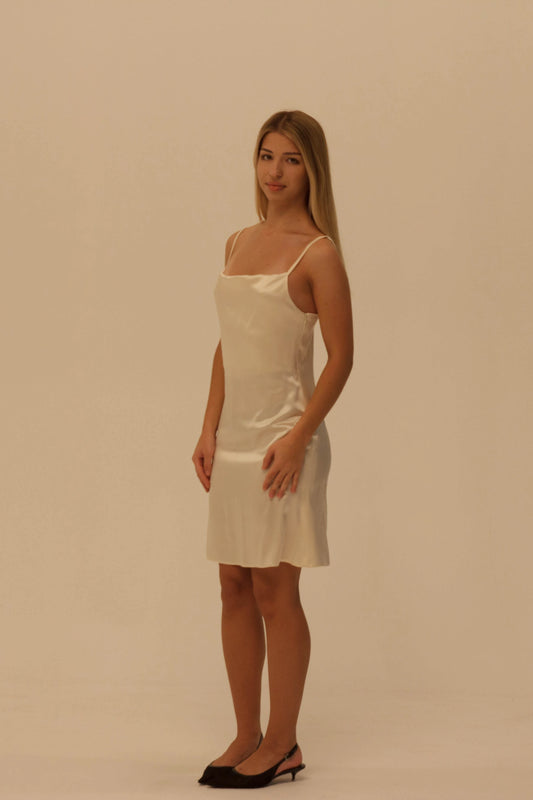
These factors compound. A slip dress in premium mulberry silk drapes beautifully, feels luxurious, photographs well, and lasts for years. The same design in lower-quality silk looks adequate but lacks the refined drape, develops surface wear quickly, and might need replacing after a season or two.
The fabric quality determines whether the design works as intended. Even expert pattern making and construction can't overcome mediocre silk. The material is fundamental.
Mulberry Silk in Modern Luxury Fashion
Luxury brands specify mulberry silk because it's the only silk that meets their standards for drape, feel, and longevity.
When a luxury brand lists "silk" on a garment, it's almost always mulberry silk unless otherwise specified. Wild silks or silk blends are noted explicitly because they behave differently and serve different design purposes.
The price difference reflects production costs. Mulberry silk requires controlled sericulture, careful harvesting, and expert processing. Wild silks use less controlled processes and are generally cheaper to produce. Lower grades of mulberry silk come from less carefully controlled production or use shorter fibers from broken cocoons.
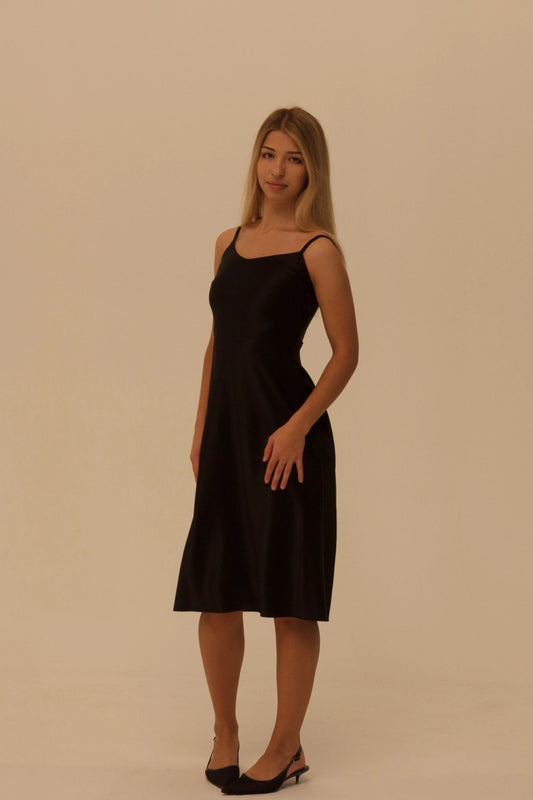
At Bradic, we use mulberry silk exclusively for silk garments. Not because other silk types are inherently bad, but because the drape and longevity our designs require only come from high-quality mulberry silk. A bias-cut slip dress in lesser silk doesn't move correctly. The fabric fights the design rather than enabling it.
We specify not just mulberry silk but the weight, measured in momme. This matters because mulberry silk comes in various weights suitable for different applications. Understanding both the type and weight gives you complete information about what you're buying.
What to Look For When Buying Silk
When evaluating silk garments, several factors indicate quality.
Check the label. It should specify not just "silk" but "mulberry silk" or "100% silk" with additional information about origin or processing. Vague labels like "silk blend" or just "silk" without further specification should prompt questions.
Look for momme weight specification. Momme measures silk weight, similar to thread count in cotton. Higher momme numbers indicate heavier, more substantial silk. For garments, 19mm to 22mm is ideal for dresses and blouses. Lighter weights work for scarves or linings. Heavier weights suit structured garments or bedding.
Understand the weave. Charmeuse is lustrous and drapey, ideal for slip dresses and fluid garments. Crepe de chine is matte with subtle texture, good for blouses and structured dresses. Organza is crisp and sheer, used for volume and structure rather than drape. The weave should match the garment's intended function.
Feel the fabric. Quality mulberry silk is smooth but not slippery. It should feel cool initially but warm to your hand. If it feels rough, plasticky, or doesn't have that characteristic coolness, it may be lower-quality silk or a synthetic imitating silk.
Observe the drape. Hold the garment up and watch how it falls. Mulberry silk should flow smoothly, creating gentle folds and moving fluidly. Stiff silk that holds creases or rough silk that bunches awkwardly indicates lower quality.
Check the price. Genuine mulberry silk has a price floor. If a silk garment seems suspiciously cheap, it's probably using lower-grade silk, very lightweight silk, or isn't actually mulberry silk despite what the label claims. Quality materials cost money. Prices below a certain threshold should raise questions.
Ask about origin and processing. Reputable brands can tell you where their silk was produced and finished. If they can't or won't provide this information, it suggests they don't actually know or the sourcing isn't something they want to highlight.
Caring for Mulberry Silk
Quality silk deserves quality care, which extends its already long lifespan significantly.
Hand washing is ideal. Use cool water and pH-neutral detergent specifically designed for silk. Avoid harsh chemicals or regular detergents, which can damage the fibers. Gently agitate the water, don't wring or twist the silk. Press water out carefully and lay flat to dry on a clean towel.
Dry cleaning works but should be done sparingly. Excessive dry cleaning can strip natural proteins from silk fibers. Once or twice a season is usually sufficient for garments that aren't heavily soiled.
Avoid prolonged sun exposure, which fades silk colors. Store silk garments away from direct light, ideally in breathable garment bags.
Iron on low heat if necessary, or better yet, steam. Silk responds well to steam, which removes wrinkles without the potential damage from direct heat contact.
Never use bleach or harsh stain removers on silk. For stains, treat immediately by blotting and using specialized silk cleaning products.
With proper care, mulberry silk garments last decades. The fiber is remarkably durable despite its delicate feel. Many vintage silk garments from the mid-twentieth century remain wearable today, testament to the material's longevity when treated correctly.
Why Material Quality Matters More Than You Think
The difference between adequate silk and exceptional silk isn't just about luxury or indulgence. It's about function.
A slip dress in premium mulberry silk drapes correctly, creating the silhouette the designer intended. The same dress in lower-quality silk hangs differently, moves awkwardly, and defeats the design's purpose.
A silk blouse in quality fabric feels pleasant to wear all day and maintains its appearance after repeated wearing and cleaning. The same blouse in lesser silk might pill, lose luster, or develop a worn look after minimal use.
The material isn't decoration. It's fundamental to whether the garment works. You can't design your way around poor materials. The best pattern making and construction can't compensate for silk that doesn't drape correctly or wears poorly.
This is why serious brands specify mulberry silk and provide details about weight and origin. They understand that the garment's performance depends on material quality. Cutting corners on fabric means the garment fails regardless of other quality factors.
When you're investing in silk clothing, you're paying primarily for the material. Construction matters, design matters, but the silk itself represents the largest portion of value. Ensuring that silk is genuine, high-quality mulberry silk means your investment performs as intended for years.
Not all silk is the same. Mulberry silk, properly produced and finished, is measurably superior in the characteristics that matter for luxury clothing: drape, feel, luster, and longevity.
Knowing this allows you to make informed decisions about what you're buying and whether the price reflects genuine quality or just brand markup.