Fiber vs Fabric: What the Difference Actually Means When You Buy Clothing
Miron BradicMost clothing labels tell you the fiber. They do not tell you the fabric. These are different things, and confusing them is one of the most common reasons people misjudge quality.
Walk into any clothing store, pick up a garment, and read the care label. It will say something like "100% silk" or "100% cashmere" or "100% merino wool." What it will not say is what kind of silk, what weight of cashmere, how the wool was processed, or what weave or knit structure the fiber was turned into before it became the thing you are holding.
The label tells you the fiber. It tells you almost nothing about the fabric.
This distinction matters because fiber and fabric are two separate quality variables, and a high-quality fiber processed into a poor fabric produces a poor garment. Understanding where each variable lives and what it controls is the foundation of evaluating any piece of clothing accurately.
What a Fiber Is
A fiber is the raw material. It is the basic unit from which yarn is made, and from yarn, fabric is made.
Fibers divide into two fundamental categories: natural and synthetic.
Natural fibers come from biological sources. They subdivide further into protein fibers, which come from animals, and cellulose fibers, which come from plants.
Protein fibers include silk, wool, cashmere, alpaca, mohair, and angora. They share a structural similarity to human skin and hair, which is why protein fibers generally feel compatible against skin in ways synthetic fibers do not. They are also temperature-regulating, absorbent, and breathable in ways that reflect the biological function of the material they came from.
Cellulose fibers include cotton, linen, hemp, and ramie. They are plant-based and share structural characteristics of plant cell walls. They tend to be strong, washable, and breathable, and they handle heat well compared to most protein fibers.
Synthetic fibers are petroleum-derived and produced through industrial chemical processes. Polyester, nylon, acrylic, and elastane are the most common. They were developed to replicate specific properties of natural fibers at lower cost and with greater consistency. They succeed at some of this: polyester is wrinkle-resistant and durable, nylon is extremely strong, elastane provides stretch unavailable in natural fibers. What they do not replicate is temperature regulation, moisture management, or the tactile quality of natural protein against skin.
Regenerated fibers occupy a middle category: they are made from natural cellulose (usually wood pulp or bamboo) that has been dissolved and extruded into fiber form through an industrial process. Viscose, modal, lyocell (Tencel), and cupro are in this category. They behave more like natural fibers than synthetics in terms of drape and moisture absorption, but the manufacturing process is chemical-intensive.
The fiber is what the garment is made from. It is the foundation. But it is not the building.
What a Fabric Is
A fabric is the structure created from fiber-derived yarn. The same fiber can be made into dozens of structurally different fabrics, each with different properties, different appropriate uses, and different quality implications.
The transformation from fiber to fabric happens in two stages: spinning and structure.
Spinning converts fiber into yarn. Short fibers are carded (combed to align roughly) and spun into woolen-type yarn that is lofty and slightly fuzzy. Long fibers are worsted-spun (combed to align precisely) into a smoother, denser yarn with better definition. The same wool fiber spun in these two ways produces yarns with different characteristics before any fabric structure is created.
Structure converts yarn into fabric through one of two primary methods: weaving or knitting. These are fundamentally different structures with different mechanical properties.
Woven fabrics are produced on looms by interlacing two sets of yarn at right angles: the warp (lengthwise) and the weft (crosswise). The interlacing pattern is called the weave. Different weaves produce dramatically different fabrics from identical yarn.
Knitted fabrics are produced by interlocking loops of yarn. A single yarn can create an entire knit structure. The loop interlocking gives knits their characteristic stretch, which woven fabrics do not have in the same way.
How the Same Fiber Becomes Different Fabrics
This is where most buyers lose the thread, so to speak. The same fiber, processed differently, produces fabrics with such different properties that they behave as though they are different materials entirely.
Silk as an example:
Silk fiber is a continuous protein filament produced by a silkworm. That filament can be processed into all of the following fabrics:
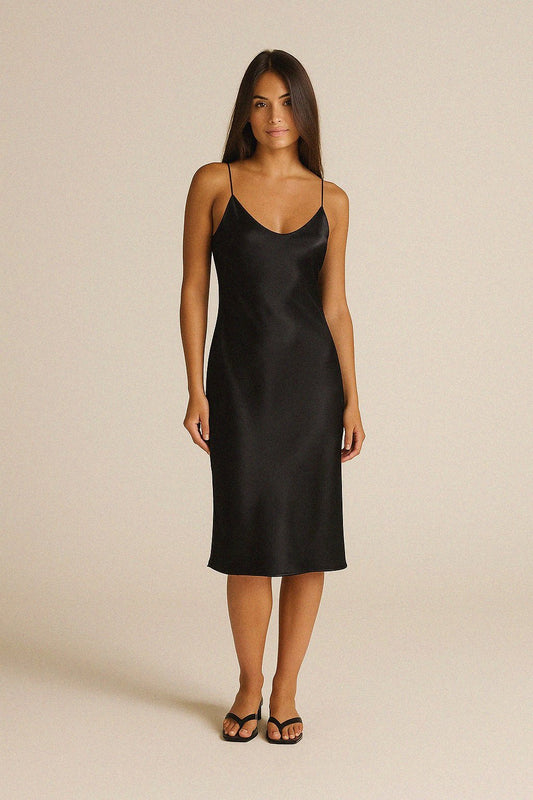
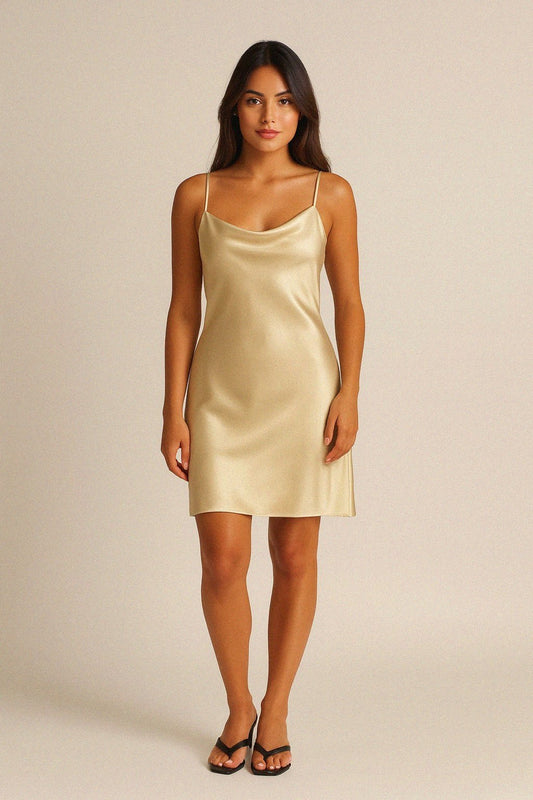
Charmeuse: A satin weave with the warp threads floating over multiple weft threads, producing a smooth, lustrous surface and fluid drape. This is the silk most people picture for slip dresses and blouses.
Habotai (China silk): A plain weave, one over one. More matte than charmeuse, lighter, less drapey. Used for linings and lightweight garments.
Chiffon: A plain weave with highly twisted yarns, producing a sheer, slightly rough texture despite being made from silk. Floats rather than drapes. Used for overlayers.
Organza: A plain weave with even more twist and a stiff hand. Transparent and structured. Used in evening wear construction and stiffening.
Dupioni: A plain weave using irregular silk yarns that produce a characteristic slubbed texture. Has a crisp, textured surface unlike the fluid surface of charmeuse.
Crepe de Chine: A plain weave with alternating S and Z twist yarns, producing a slightly crinkled surface with soft drape. Different from charmeuse in surface texture and drape behavior.

Every one of these is 100% silk. None of them behaves like the others. A label that says "100% silk" tells you the fiber. It does not tell you which of these fabrics it refers to, and the distinction matters enormously for the garment's appropriate use, care requirements, and how it will wear over time.
Wool as an example:
Wool fiber from a sheep can become:
Tweed: A loosely woven fabric with a rough, textured surface. Made from carded (woolen-spun) yarn. Warm, durable, used for outerwear and tailoring.
Flannel: A plain or twill weave that is brushed after weaving to raise a slight nap. Soft surface, moderate weight, used for suiting and trousers.
Gabardine: A tightly woven twill weave from worsted-spun yarn. Smooth, durable, holds a crease. Used for tailored trousers and suits.
Jersey: A knit structure from fine wool. Stretchy, comfortable, draped. Used for tops and dresses.
Crepe: A weave using twisted yarns that produces a slightly textured, matte surface. Soft drape. Used for dresses and blouses.
Voile: A sheer, open weave from fine-count wool yarn. Lightweight and delicate.
Boiled wool: Knit fabric that has been felted, producing a dense, thick, non-raveling fabric used for structured jackets.
Same fiber. Fundamentally different fabrics.
Quality Variables at the Fiber Level
At the fiber level, quality is determined by the raw material characteristics: length, diameter, purity, and grade.
Fiber length (staple length) is the length of individual fibers before spinning. Longer fibers produce smoother, stronger yarn because there are fewer fiber ends per unit length to create fuzziness and weakness. In cashmere, premium fiber runs 36mm or longer. Below 32mm, the yarn is less smooth and the fabric pills faster. In cotton, long-staple cotton (Egyptian, Pima) at 35mm or above produces noticeably smoother fabric than standard cotton at 22-28mm. In wool, longer staple length correlates with smoother yarn and is associated with worsted spinning.
Fiber diameter (micron count) is the thickness of individual fibers. Finer fibers feel softer because they bend more easily against skin. In cashmere, premium fiber runs 14 to 15.5 microns. Standard cashmere runs 16 to 19 microns. Above 19 microns, the material stops feeling soft in the way cashmere is supposed to feel. In merino wool, ultra-fine grades run below 17.5 microns; standard merino runs 18 to 24 microns. The difference is immediately tactile.
Purity refers to the absence of non-fiber material and contamination. Grade A cashmere contains no guard hairs (the coarser outer coat of the goat) mixed with the soft undercoat. Lower grades contain varying proportions of guard hairs, which are coarser and shorter than the undercoat fibers and reduce both softness and longevity.
Origin sometimes correlates with quality, but not reliably. Mongolian cashmere is associated with long, fine fibers due to the extreme climate the goats live in. Italian-spun cashmere refers to processing rather than fiber origin: Italian mills are known for consistent quality control in spinning. "Italian wool" describes processing location, not necessarily fiber quality. Origin language requires scrutiny.
Quality Variables at the Fabric Level
At the fabric level, quality is determined by construction decisions made after the fiber: yarn quality, weave or knit structure, fabric weight, and finishing.
Yarn quality is the intermediate step between fiber and fabric. Two garments using identical fiber can use different yarn: different spinning method, different twist, different yarn count. Worsted-spun yarn produces a smoother, denser fabric than woolen-spun from the same fiber. Higher twist adds strength and reduces pilling in knits. Yarn count (how fine or coarse the yarn is) determines the fabric's texture and weight range.
Weave or knit structure determines mechanical properties. A plain weave is the simplest interlacing: one over, one under. It is stable and strong but less drapey than more complex weaves. A satin weave has longer floats (threads passing over multiple crossing threads before interlacing) which produces the smooth surface and fluid drape of charmeuse, but at the cost of some abrasion resistance because the longer floats can snag. A twill weave interlaces in a diagonal pattern, producing the characteristic diagonal line of denim or gabardine, with good strength and drape.
Fabric weight is measured in GSM for most woven fabrics, or momme for silk. Weight reflects how much material is present per unit area. Higher GSM means more yarn per square meter, which generally means more durability, better drape due to fabric mass, and better thermal performance. A 400 GSM wool coat holds its shape across decades. A 180 GSM wool coat in the same fiber does not.
Finishing is everything done to the fabric after weaving or knitting, before it is cut into garments. Finishing operations include:
Scouring (washing to remove oils and impurities from wool).
Crabbing (stabilizing wool weave structure with heat and tension to prevent distortion in tailoring).
Milling (controlled shrinking to tighten the weave and improve handle).
Brushing (raising a surface nap on fabrics like flannel and cashmere).
Pressing (applying heat and pressure to set the fabric surface flat).
Mercerizing (treating cotton with caustic soda to improve luster and dye absorption).
Sanforizing (pre-shrinking cotton to prevent further shrinkage after purchase).
The same fiber and weave with different finishing treatments produce fabrics with different hand, luster, surface texture, and dimensional stability. Finishing is invisible in most marketing and on care labels, but it significantly affects how the fabric performs.
Why the Label Is Insufficient
A care label stating "100% cashmere" tells you the fiber content. It does not tell you:
The grade of cashmere (A, B, or C).
The micron count of the fiber.
The staple length.
Whether the yarn is single or two-ply.
The GSM of the finished fabric.
The spinning method.
The finishing treatments applied.
Whether the cashmere is from a first combing (softest) or subsequent combing.
All of these variables affect the performance of the finished garment. The difference between a cashmere sweater that pills within one season and one that remains beautiful after ten years is almost entirely explained by these undisclosed variables, not by the fiber content statement that both labels carry identically.
The same applies to silk. "100% silk" does not disclose momme weight, weave type, fiber grade, or processing method. A 12mm habotai and a 25mm charmeuse are both "100% silk." They have virtually nothing else in common in terms of performance, durability, or appropriate use.
This information gap is not accidental. Disclosing specifications creates direct comparability. Brands using lower-specification materials prefer not to enable that comparison. Brands confident in their specifications disclose them because the numbers support the price.
How Fiber and Fabric Interact to Determine Quality
The final quality of a garment is a product of both variables together. Neither fiber quality nor fabric quality alone determines the outcome.
High-quality fiber in poor fabric structure wastes the fiber's potential. Grade A cashmere in a loosely knit, low-GSM fabric will still pill, lose shape, and fail to provide adequate warmth. The fiber is correct; the construction does not allow the fiber to perform.
Poor-quality fiber in well-constructed fabric produces a garment that feels wrong despite appearing technically well-made. Seams can be excellent, weave structure appropriate, GSM correct, but short-fiber cashmere with high guard hair content in a well-constructed coat still produces a coat that will pill and feel inferior within seasons.
Both correct produces the outcome that justifies the investment. Long-fiber, fine-micron cashmere in a two-ply yarn, woven or knit to appropriate GSM, finished correctly, produces a garment that will outlast most alternatives regardless of construction quality.
The evaluation therefore requires asking about both levels independently. What is the fiber specification? And what is the fabric specification? The answers to both questions are necessary. The answer to one without the other is incomplete.
What to Ask and What to Look For
For any significant purchase in natural fibers, the following questions establish the information needed to evaluate quality at both levels.
At the fiber level: What is the fiber grade? What is the micron count (cashmere, wool) or momme weight (silk)? What is the staple length? Is it first-combing cashmere or subsequent? Is it mulberry silk or wild silk?
At the fabric level: What is the GSM or momme weight of the finished fabric? What is the weave or knit structure? Is the yarn single-ply or two-ply? What finishing treatments were applied?
A brand that can answer these questions has the information because they selected their materials against these specifications. A brand that cannot answer them either does not know, which is itself significant, or has chosen not to disclose, which is also significant.
The garment itself provides some of this information without requiring disclosure. Weight can be felt: hold the garment and assess whether it has substance relative to its size. Weave structure can be seen: hold the fabric to light and observe whether the weave is tight and even or loose and irregular. Pilling propensity can be tested at the moment of purchase by rubbing a small hidden area (inside the cuff, inside the hem) between fingers twenty or thirty times: poor fiber in poor fabric pills within seconds of this test.
The label tells you what fiber was used. The garment itself tells you how well that fiber was processed into fabric. Both sources of information are necessary to evaluate what you are actually buying.