How to Care for Silk: The Complete Guide to Making It Last Decades
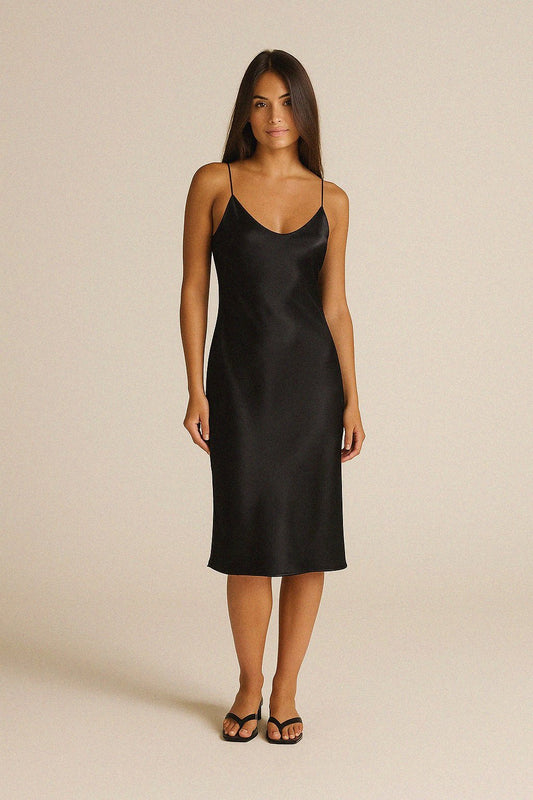
You've invested in real silk. Maybe it's a beautiful slip dress, an elegant blouse, or luxurious pajamas. The fabric feels incredible against your skin, cool, smooth, impossibly soft.
Now the question: how do you care for it so it lasts 10, 20, or even 30 years instead of looking worn after a few washes?
Silk has a reputation for being delicate and high-maintenance. The reality is more nuanced: silk is remarkably strong when cared for properly, but unforgiving when mistreated. One careless mistake (hot water, harsh detergent, aggressive wringing) can permanently damage even the finest silk.
This guide covers everything you need to know about silk care. Follow these practices and your silk will remain beautiful, lustrous, and wearable for decades.
Understanding Silk: Why Special Care Matters
Silk is a protein fiber with unique properties that demand specific care.
What Makes Silk Different
Structure: Silk is produced by silkworms as a continuous filament that can be up to 1,600 meters long. This creates:
- Incredibly smooth fabric with natural luster
- Exceptional strength (stronger than steel of the same diameter)
- Natural temperature regulation
- Moisture-wicking properties
Protein-based: Like wool and hair, silk is made of protein (fibroin). This means:
- Heat damages and weakens it
- Harsh chemicals break down protein structure
- Enzymes in certain detergents can digest it
- Sunlight degrades it over time
Triangular fiber structure: Silk fibers have a triangular cross-section that:
- Refracts light, creating that signature shimmer
- Makes silk smooth and soft
- Allows fabric to drape beautifully
- Can be damaged by friction
Absorbent: Silk absorbs up to 30% of its weight in moisture without feeling damp, but this also means:
- It picks up stains quickly
- Body oils penetrate easily
- Deodorant and perfume can damage it
- Water spots show clearly
What Damages Silk
Understanding these threats helps you avoid them:
Heat: Weakens protein structure, causes yellowing, makes silk brittle
Sunlight: UV rays degrade proteins, causing fading and weakening
Chlorine bleach: Destroys silk completely (literally dissolves it)
Alkaline substances: High pH breaks down protein (includes most regular detergents)
Friction: Rough handling damages smooth surface, causes pilling
Sharp objects: Snags easily due to smooth surface
Body oils and cosmetics: Penetrate and stain, attract dirt
Water spots: Show clearly on silk (requires careful drying)
Deodorant: Aluminum compounds can permanently stain and weaken silk
Every silk care practice aims to avoid these threats.
How Often Should You Wash Silk?
The golden rule: wash silk only when necessary, but don't delay when it needs washing.
Washing Frequency by Garment Type
Silk slip dresses: After every 2-3 wears (in contact with skin)
Silk blouses/tops: After every 2-3 wears (absorbs sweat and oils)
Silk pajamas: After every 3-4 wears (some skin contact but less activity)
Silk scarves: Every 5-10 wears (minimal skin contact)
Silk lined coats/blazers: Spot clean outer, hand wash lining 2-3 times per season
Before storage: Always wash before storing seasonally (body oils attract moths and cause yellowing)
Why Timing Matters
Wash too often: Every wash cycle causes minor fiber damage through friction and chemical exposure. Overwashing shortens silk's lifespan.
Wait too long: Body oils, sweat, and stains set over time. Old stains become permanent. Oils yellow silk and attract dirt.
The balance: Wash when garment shows signs of wear (odor, visible soil, loss of freshness) but before stains set.
Between-Wash Refreshing
Extend time between washes:
Air it out: Hang silk in well-ventilated area for several hours after wearing. Fresh air removes most odors.
Steam gently: Light steaming refreshes silk and removes wrinkles without washing. Use low steam setting, held 6+ inches from fabric.
Spot clean: Address small stains immediately rather than washing entire garment.
Vodka spray: Mix 1:2 vodka to water, lightly mist silk, air dry. Kills bacteria without residue or scent.
Freezer method: For odor removal, place silk in sealed bag in freezer overnight. Kills odor-causing bacteria.
Hand Washing Silk: The Gold Standard
Hand washing gives you complete control, minimizing damage while cleaning effectively.
What You'll Need
- Clean basin or sink
- Cool water (never hot)
- pH-neutral detergent or silk-specific wash
- White vinegar (for rinse)
- Clean white towels
- Flat drying space
Step-by-Step Hand Washing
Step 1: Check for Colorfastness
Before first wash, test a hidden area:
- Dampen small hidden section with cool water
- Blot with white cloth
- If color transfers, silk must be dry cleaned (not colorfast)
Most quality silk is colorfast, but always test.
Step 2: Prepare Water
Fill basin with cool water (max 30°C / 86°F). Lukewarm is acceptable; warm or hot is not.
Hot water:
- Causes silk to lose luster
- Can cause shrinking
- Weakens fibers
- May cause colors to bleed
Add detergent:
- 1 teaspoon silk-specific wash, or
- 1 teaspoon pH-neutral baby shampoo
Mix until dissolved. Less is more, silk rinses easily when not over-soaped.
Never use: Regular laundry detergent (too alkaline), fabric softener (coats fibers), enzyme detergents (digest protein), bleach (destroys silk).
Step 3: Submerge Silk
Turn garment inside out to protect outer surface.
Gently submerge in water, pressing down lightly to saturate completely.
Let soak 3-5 minutes maximum. Longer soaking isn't better, it just weakens fibers.
Step 4: Gentle Agitation
Very gently swish silk through water using a light pressing motion.
Pay attention to areas that contact skin: underarms, collar, cuffs. Gently squeeze these areas.
Never:
- Rub silk against itself (damages surface)
- Twist or wring (distorts shape, breaks fibers)
- Scrub or agitate vigorously (causes pilling)
- Bunch up tightly (creates permanent creases)
Total washing time: 2-3 minutes maximum.
Step 5: Drain and Press
Drain soapy water while supporting silk. Don't lift saturated silk out of water, its weight can stretch it.
Gently press against basin sides to remove excess water. Never wring.
Step 6: Rinse Thoroughly
Refill basin with cool, clean water at same temperature as wash water.
Add 1 tablespoon white vinegar to rinse water. This:
- Removes all soap residue
- Restores silk's natural pH
- Enhances luster
- Acts as natural fabric softener
Gently move silk through rinse water.
Drain and press out water.
Repeat rinse without vinegar until water runs completely clear. Soap residue attracts dirt and dulls silk.
Step 7: Remove Excess Water
Lay clean, dry white towel flat.
Place silk on towel, arranging it flat.
Roll towel and silk together gently, pressing as you roll. This absorbs significant water.
Unroll. If towel is saturated, transfer to fresh dry towel and repeat.
Silk should be damp, not dripping.
Common Hand Washing Mistakes
Using hot water: Damages luster and weakens fibers
Too much detergent: Hard to rinse completely
Vigorous rubbing: Damages smooth surface
Skipping vinegar rinse: Soap residue dulls silk
Wringing or twisting: Distorts shape, breaks fibers
Lifting while saturated: Weight stretches fabric
Over-soaking: Weakens fibers unnecessarily
Machine Washing Silk: High Risk, Possible
Most silk should be hand washed, but some pieces can survive careful machine washing.
When Machine Washing Might Work
Only consider for:
- Silk labeled "machine washable"
- Sturdy silk (charmeuse, habutai)
- Pieces you wear very frequently
- When you genuinely don't have time
Never machine wash:
- Delicate silk (chiffon, georgette, organza)
- Silk with embellishments or pleating
- Vintage or heirloom silk
- Anything you truly care about
- Bias-cut slip dresses (structure depends on precise cut)
If You Must Machine Wash
Preparation:
- Turn inside out
- Place in mesh laundry bag
- Wash alone (no other items)
Settings:
- Cycle: Delicate or hand-wash cycle only
- Temperature: Cold (30°C / 86°F maximum)
- Spin: Lowest speed or no spin
- Detergent: Small amount silk-specific wash
After cycle:
- Remove immediately (don't let sit)
- Never put silk in dryer
Machine Washing Risks
Even with precautions:
- Increased friction causes surface damage
- Potential for snags from machine drum
- Harder to control water temperature
- Risk of color bleeding
- Faster long-term degradation
Verdict: Hand washing is always safer. Machine wash only sturdy, frequently-worn pieces when absolutely necessary.
Drying Silk: The Most Critical Step
Drying method determines whether silk maintains its beauty or becomes damaged.
The Only Safe Method: Flat Drying
Step 1: Reshape Immediately
While damp, gently reshape silk to original form:
- Smooth out wrinkles
- Align seams
- Ensure straps/sleeves are symmetrical
- Check length is even
Silk is most pliable when damp, this is your chance to correct shape.
Step 2: Choose Drying Location
Requirements:
- Flat, clean surface
- Away from direct heat
- Out of direct sunlight
- Good air circulation
- Low humidity
Good locations:
- Spare bed with towel underneath
- Clean table
- Flat drying rack with towel on top
- Guest room floor (if clean)
Bad locations:
- Near radiators, heaters, vents (heat damages silk)
- Direct sunlight (fades color, weakens fibers)
- Humid bathrooms (prolongs drying, risks mildew)
- Over chairs or rods (creates permanent creases)
Step 3: Lay Flat on Towel
Place silk flat on dry towel in natural shape:
- Straps/sleeves extended naturally
- No fabric bunched or folded
- Even distribution
- All areas exposed to air
Step 4: Flip Periodically
After 2-4 hours, flip silk over and replace damp towel with dry one.
This ensures even drying and prevents moisture being trapped.
Step 5: Allow Complete Drying
Drying time: 12-24 hours depending on:
- Silk weight (lighter dries faster)
- Room temperature and humidity
- Air circulation
- Season
Never rush. Wearing slightly damp silk can cause water spots and shape distortion.
Drying Silk Garments with Structure
Silk slip dresses (bias-cut):
- Must dry completely flat
- Shape is critical, reshape carefully while damp
- Never hang until 100% dry
Silk blouses:
- Dry flat until 90% dry
- Can hang on padded hanger to finish drying
- Button top button to maintain collar shape
Silk scarves:
- Lay flat or roll in towel
- Dry quickly due to thinness
- Can hang when nearly dry
Silk pajamas:
- Lay flat, arranged naturally
- Separate top and bottom for faster drying
What Never to Do When Drying
Never hang wet silk: Weight causes stretching and distortion
Never use a dryer: Even "air dry" or "delicate" settings damage silk. Heat destroys luster and can shrink fabric.
Never dry near heat sources: Radiators, heating vents, hair dryers all cause damage
Never use direct sunlight: Fades colors dramatically and weakens fibers
Never wring out excess water: Twisting damages fibers
Never iron while damp: Can cause water spots and shine marks
Removing Stains from Silk
Stains on silk require immediate, gentle treatment.
General Stain Principles
Speed is critical: Fresh stains come out easily; set stains may be permanent
Blot, never rub: Rubbing pushes stains deeper and damages silk surface
Cool water only: Hot water sets protein and tannin stains
Test first: Try treatment on hidden area
When in doubt, dry clean: Professional treatment is safer than experimenting
Stain-Specific Treatments
Water-based stains (tea, coffee, juice, wine)
- Blot immediately with clean white cloth
- Rinse area under cool running water from back of fabric (pushes stain out, not in)
- If stain remains, mix 1 teaspoon silk detergent in 1 cup cool water
- Dip clean white cloth in solution, gently dab stain
- Rinse thoroughly with cool water
- Blot with dry towel
- Air dry flat
For red wine specifically:
- Pour white wine or club soda on stain immediately
- Blot repeatedly
- If caught within minutes, this often works
- Otherwise, take to dry cleaner
Oil/grease stains (makeup, food, lotion)
- Blot excess immediately (don't rub)
- Sprinkle cornstarch or talcum powder on stain
- Let sit 30 minutes to several hours to absorb oil
- Gently brush off powder
- If stain remains, hand wash entire garment
- Stubborn oil stains need professional dry cleaning
Deodorant/antiperspirant stains
These are particularly damaging to silk:
- Act immediately, aluminum compounds yellow silk permanently
- Rinse area with cool water
- Mix 1:1 white vinegar and water
- Gently dab on stain
- Rinse thoroughly
- Hand wash entire garment
- Prevention: Let deodorant dry completely before dressing, or wear undershirt
Sweat/body oil stains
- Don't let these set, wash silk regularly
- Rinse stained area in cool water
- Hand wash entire garment
- Add 2 tablespoons white vinegar to rinse water (neutralizes odor and yellowing)
Makeup stains
- Gently scrape off excess with dull knife
- Apply small amount of silk detergent directly to stain
- Let sit 5 minutes
- Rinse thoroughly with cool water
- Hand wash if needed
Blood stains
- Rinse immediately in cold water (never warm, it sets protein)
- Soak in cool water with 1 tablespoon salt for 30 minutes
- Gently hand wash
- If stain persists, try hydrogen peroxide (test first, it can lighten colored silk)
Perfume stains
Alcohol in perfume can damage and discolor silk:
- Dilute immediately by rinsing with cool water
- Hand wash gently
- Prevention: Apply perfume before dressing, let dry completely
Stains That Need Professional Help
Don't attempt home treatment for:
- Ink (immediately take to dry cleaner)
- Set-in stains (older than 24 hours)
- Large oil stains
- Mystery stains (unknown substance)
- Stains on valuable vintage silk
Professionals have specialized silk-safe stain removers.
Ironing and Steaming Silk
Removing wrinkles requires care to avoid damaging silk's luster.
Steaming (Safest Method)
Equipment: Handheld garment steamer
Technique:
- Hang silk garment (or lay flat)
- Fill steamer with distilled water (prevents mineral deposits)
- Hold steamer 6 inches from fabric, never touch silk directly
- Move slowly, letting steam penetrate
- Gently pull fabric taut as you steam
- Let air dry completely before wearing
Benefits:
- No direct contact with silk
- No risk of shine marks or scorching
- Refreshes fabric
- Minimal risk of damage
Ironing (Use Extreme Caution)
When to iron: Only when steaming isn't available and wrinkles are severe.
Critical rules:
- Turn silk inside out (protects outer surface)
- Iron while slightly damp (easier wrinkle removal, less heat needed)
- Use lowest heat setting ("silk" setting if available)
- Never use steam on iron (causes water spots)
- Use pressing cloth between iron and silk
- Keep iron moving (never let it sit on silk)
- Press, don't drag (lift and place, lift and place)
- Let cool completely before moving garment
Pressing cloth: Use clean white cotton cloth or silk organza. Protects silk from direct heat.
Common Ironing Mistakes
Too much heat: Creates shine marks (permanent damage)
Using steam: Causes water spots
Ironing outside: Creates visible marks
Dragging iron: Stretches and distorts silk
No pressing cloth: Direct heat damages surface
Ironing bone-dry silk: Harder to remove wrinkles, needs more heat (worse)
Pro tip: If you must iron regularly, invest in quality steamer instead. Safer and easier.
Storing Silk: Daily and Seasonal
Proper storage prevents damage and maintains beauty.
Daily Storage (In-Season)
Hanging vs. Folding: Depends on garment type
Silk dresses, blouses (structured):
- Hang on padded hangers (prevents shoulder marks)
- Use wide, curved hangers (not wire)
- Button top button to maintain shape
- Space garments to prevent crushing
- Optional: Use garment bag if closet dusty
Silk slip dresses, camisoles (unstructured):
- Can hang on padded hanger, or
- Fold gently and store flat
- Bias-cut pieces should hang to maintain drape
Silk scarves, small items:
- Fold gently
- Store in drawer with tissue paper between layers
- Or roll loosely around cardboard tube
Silk pajamas:
- Fold and store in drawer
- Or hang if space allows
General rules:
- Never use wire hangers (create rust marks and sharp creases)
- Avoid overcrowding (causes wrinkles)
- Keep away from direct sunlight (fading)
- Store in climate-controlled space (not attic/basement)
Seasonal Storage (Off-Season)
Step 1: Clean Everything
This is critical. Store only clean silk because:
- Body oils yellow silk over time
- Stains set and become permanent
- Moths attracted to organic residues
- Perfume and lotion residues damage silk
Even if silk looks clean, wash before long-term storage.
Step 2: Choose Storage Method
Good options:
- Acid-free tissue paper wrapping
- Clean cotton garment bags (breathable)
- Cotton pillowcases (for small items)
- Clean cardboard boxes lined with tissue
Bad options:
- Plastic bags (trap moisture, no breathing)
- Direct contact with wood (acids damage silk)
- Newspaper (ink transfers)
- Colored tissue paper (dyes can transfer)
Step 3: Prepare Garments
- Button all buttons
- Ensure completely dry
- Wrap in acid-free tissue paper (prevents creases)
- Fold along natural lines
- Don't compress tightly (causes permanent creases)
Step 4: Add Protection
Moth deterrents:
- Cedar blocks (natural repellent)
- Lavender sachets (repels moths, pleasant scent)
- Herbal sachets (rosemary, mint, thyme)
Never use: Mothballs (chemical smell permeates silk permanently)
Step 5: Store in Ideal Conditions
Temperature: Cool and stable (18-21°C / 65-70°F ideal)
Humidity: 50-55% relative humidity
- Too humid: Mildew risk
- Too dry: Silk becomes brittle
Light: Complete darkness (light degrades silk)
Location: Climate-controlled closet or bedroom
Avoid: Attics (too hot), basements (too humid), garages (temperature fluctuations)
Step 6: Check Periodically
Every 2-3 months:
- Briefly air out garments
- Check for moth damage
- Refold to prevent permanent creases
- Replace moth deterrents if scent faded
- Verify no moisture accumulation
Fighting Moths and Other Pests
Moths love protein fibers, including silk.
Signs of Moth Damage
Warning signs:
- Small irregular holes
- Larvae (tiny white worms)
- Webbing in corners
- Cocoons
- Adult moths (means larvae already present)
Important: Adult moths don't eat fabric, their larvae do.
Prevention Strategy
Clean everything: Moths need food source. Clean silk has no body oils.
Use natural repellents: Cedar, lavender, herbs repel moths
Regular inspection: Check stored silk monthly
Freeze new items: Place in sealed bag, freeze 48 hours before adding to closet
Climate control: Moths thrive in warmth and humidity
Vacuum regularly: Removes eggs and larvae from closet
Seal entry points: Check for cracks, vents, openings
If You Find Moths
Immediate action:
- Remove all silk from affected area
- Inspect everything for damage
- Freeze all silk for 72 hours minimum (kills all stages)
- Wash or dry clean everything
- Vacuum closet thoroughly (every corner, crack, shelf)
- Wipe surfaces with vinegar solution
- Dispose of heavily damaged items
- Replace storage containers
- Add fresh moth deterrents
- Monitor closely for 2-3 months
Damaged silk:
- Small holes can sometimes be repaired professionally
- Extensive damage usually means disposal
- Never store damaged silk with undamaged pieces
Preventing Common Silk Damage
Yellowing
Causes: Body oils, deodorant, age, improper storage, sunlight
Prevention:
- Wash silk regularly (don't let oils set)
- Let deodorant dry before dressing
- Store in darkness
- Use acid-free tissue paper
- Add white vinegar to rinse water
Treatment: If caught early, hand wash with white vinegar rinse may help. Severe yellowing is often permanent.
Loss of Luster
Causes: Harsh detergent, hot water, over-washing, friction, sun exposure
Prevention:
- Use pH-neutral detergent only
- Cool water always
- Wash only when needed
- Handle gently
- Store away from light
Treatment: White vinegar rinse can restore some shine. Severe dullness is permanent.
Pilling
Causes: Friction, poor-quality silk, rough handling
Prevention:
- Buy quality silk (long filament fibers)
- Reduce friction (avoid backpacks on silk)
- Turn inside out when washing
- Hand wash gently
Treatment: Use fabric shaver on lowest setting, very gently. Or carefully cut pills with sharp scissors (risky).
Snags
Causes: Rough surfaces, jewelry, Velcro, zippers, pet claws
Prevention:
- Remove jewelry before putting on silk
- Be careful around rough surfaces
- Keep pets away from silk
- Store carefully
Treatment: Small snags can sometimes be worked back into fabric with needle. Don't cut, it creates holes.
Water Spots
Causes: Water drops on dry silk, uneven drying
Prevention:
- Dry silk evenly and completely
- If silk gets wet, wet entire area evenly
- Use distilled water for spot cleaning
Treatment: Re-wet entire area evenly, let dry flat. Or carefully steam entire garment.
Silk and Dry Cleaning
Dry cleaning has a place in silk care, but isn't always necessary.
When to Dry Clean
Good reasons:
- Label says "dry clean only"
- Structured silk garments (lined blazers, tailored pieces)
- Difficult stains (ink, set-in oil)
- Silk with embellishments
- Silk you're nervous about washing
- Before seasonal storage (thorough cleaning)
When hand washing is better:
- Simple silk garments (slips, camisoles, scarves)
- Regular maintenance cleaning
- No difficult stains
- More control
- More economical
Choosing a Quality Dry Cleaner
Essential questions:
- "Do you specialize in silk?"
- "What chemicals do you use?" (perchloroethylene is standard, but gentler alternatives exist)
- "Do you hand-finish silk or machine press?" (hand-finishing is better)
Green flags:
- Specializes in delicates
- Asks questions about garment
- Inspects carefully before cleaning
- Uses gentle processes
- Positive reviews for silk
- Higher pricing (quality costs)
Red flags:
- Treats all garments the same
- Very cheap pricing
- No inspection
- Negative reviews about damage
Frequency: Even with professional cleaning, limit to 2-3 times per season. Chemicals stress fibers.
Silk Care by Garment Type
Silk Slip Dresses
Washing: After 2-3 wears, hand wash
Drying: Always flat, reshape carefully (especially bias-cut)
Storage: Hang on padded hanger or fold gently
Special notes: Bias-cut dresses need careful shaping while damp
Silk Blouses/Tops
Washing: After 2-3 wears, hand or careful machine wash
Drying: Flat until 90% dry, then can hang
Storage: Hang on padded hanger
Special notes: Pay attention to underarms (deodorant stains)
Silk Pajamas
Washing: After 3-4 wears
Drying: Lay flat
Storage: Fold in drawer
Special notes: Wash set together to maintain color match
Silk Scarves
Washing: Every 5-10 wears
Drying: Lay flat or roll in towel
Storage: Fold with tissue or roll around tube
Special notes: Test for colorfastness before first wash
Silk Camisoles/Slips (as lingerie)
Washing: After every wear (body contact)
Drying: Quick drying due to thinness
Storage: Fold in drawer
Special notes: More frequent washing needed
Creating Your Silk Care Routine
Consistent habits preserve silk beautifully.
After Every Wear
- Air out 1-2 hours before storing
- Check for stains, treat immediately
- Hang or fold appropriately
- Keep away from direct sunlight
After 2-3 Wears
- Assess if washing needed
- Hand wash if garment shows wear
- Dry completely flat
- Reshape while damp
Monthly
- Inspect all silk for damage
- Check storage areas
- Verify moth deterrents still fragrant
- Steam any wrinkled pieces
Seasonally
- Clean all silk before storage
- Inspect thoroughly
- Prepare proper storage
- Add fresh moth protection
Annually
- Professional cleaning for structured pieces
- Assess condition of all silk
- Repair any damage
- Replace worn items
Silk Care Supplies: Essential Kit
Essential (€25-40):
- pH-neutral or silk-specific detergent
- White vinegar
- Clean white towels
- Mesh laundry bags
- Padded hangers
Very useful (€20-30):
- Handheld steamer
- Acid-free tissue paper
- Cotton garment bags
- Cedar blocks or lavender
- Spray bottle (for vodka/water)
Nice to have (€15-25):
- Pressing cloth
- Fabric shaver (gentle)
- Distilled water
- Stain removal kit
Total: €60-95 for complete kit
Common Silk Care Mistakes
Mistake 1: Using Hot Water
Problem: Destroys luster, weakens fibers
Solution: Always use cool water (max 30°C)
Mistake 2: Regular Detergent
Problem: Alkaline pH damages protein
Solution: pH-neutral or silk-specific wash only
Mistake 3: Wringing Silk
Problem: Distorts shape, breaks fibers
Solution: Gently press water out, never twist
Mistake 4: Machine Drying
Problem: Heat destroys silk
Solution: Always air dry flat
Mistake 5: Direct Sunlight
Problem: Severe fading and weakening
Solution: Dry and store in darkness
Mistake 6: Hanging Wet Silk
Problem: Stretching and distortion
Solution: Dry completely flat first
Mistake 7: Ignoring Stains
Problem: Stains set and become permanent
Solution: Treat immediately, don't delay
Mistake 8: Wrong Hangers
Problem: Wire hangers rust and crease
Solution: Padded hangers always
Mistake 9: Storing Dirty
Problem: Yellowing, moths, permanent stains
Solution: Always clean before storage
Mistake 10: Too Much Heat (Ironing)
Problem: Permanent shine marks
Solution: Steam instead, or lowest iron setting with pressing cloth
The Long View: Silk as Heirloom
Properly cared-for silk lasts 20-30+ years. Vintage silk from the 1920s-40s still exists in wearable condition.
Cost perspective:
€1,400 silk slip dress worn 200 times over 20 years = €7 per wear
€200 polyester "silk" dress worn 30 times over 2 years = €6.67 per wear, but replaced 10 times = €2,000 total
The properly cared-for silk costs less and feels incomparably better.
Time investment:
- Hand washing: 20 minutes every 2-3 wears
- Drying: Passive (12-24 hours)
- Daily care: 1 minute (hanging/folding)
- Steaming: 5 minutes when needed
- Seasonal storage: 30 minutes once yearly
For decades of luxury, this is minimal effort.
Final Thoughts: Care Preserves Beauty
Silk isn't difficult, it just requires gentleness and attention.
The practices in this guide preserve silk's beauty:
- Cool water, pH-neutral detergent
- Gentle handling (no wringing, rubbing, or agitation)
- Flat drying always
- Protection from heat, sun, and moths
- Proper storage
- Immediate stain treatment
Follow these guidelines and your silk will remain lustrous, soft, and beautiful for decades, becoming cherished pieces you wear again and again.
That's the silk worth caring for.