Why Expensive Clothes Often Feel Cheap (And What's Actually Going On)
Miron BradicYou paid a lot. It disappointed you. Here is exactly why that keeps happening.
You've been there. You spend more than you planned on something that looked exceptional in the store or online. The brand is right, the price is high enough to feel like a guarantee, and for a moment you believe you've finally bought something that will last.
Then you wear it a few times.
The fabric starts to feel thinner than you remembered. A seam pulls slightly. The shape softens in a way that better clothes don't. Or nothing specific fails, but the garment just doesn't feel the way expensive things are supposed to feel. It feels like clothing. Ordinary clothing with an extraordinary price tag.
This experience is common enough that it has its own frustration: the specific disappointment of expensive things that don't deliver. Understanding why it happens is more useful than assuming you made a mistake.
The Illusion Luxury Branding Creates
Luxury branding is exceptionally good at one specific thing: making you feel, before you buy, that the product is worth the price.
The store environment, the packaging, the weight of the shopping bag, the tissue paper, the staff who treat you as though you are someone who buys things like this regularly: all of it is designed to produce a state of mind in which the quality of the actual object feels confirmed before you've properly examined it.
This is not unique to fashion. Marketing exists to create desire before purchase. But in luxury fashion it operates at a particular intensity because the price differential between a well-marketed average product and a genuinely exceptional one can be thousands of euros, and the branding has to justify that gap whether the product can or not.
The consequence is that many buyers evaluate luxury purchases through the brand experience rather than the object itself. The garment gets credit for the store, the packaging, and the name before it has done anything to earn that credit on its own terms.
When the garment eventually fails to perform at the level the experience promised, the disappointment is not just about the clothing. It is about having trusted a signal that turned out to be pointing at the wrong thing.
What Mass Production Does to Expensive Clothing
Here is something the luxury industry does not advertise: most major luxury brands produce at significant scale.
Scale is not inherently a problem. Skilled manufacturing at volume can produce consistent, good-quality results. The problem is what happens when scale meets margin pressure, which is a permanent feature of any business that needs to grow revenue year over year.
The pressure resolves itself in the product, almost always invisibly. Fabric specifications get adjusted slightly downward. A lining that was silk becomes cupro, then polyester. A hand-finished hem becomes a machine hem. Interfacing that was sewn canvas becomes fused. Individual pressing steps get consolidated. Each change is small. The accumulated effect on the garment over time is not.
None of these changes show up on a hanger. They show up after six months of wear, when the fused interfacing starts to separate slightly at the collar, when the polyester lining creates discomfort in warm weather, when the hem begins to show its machine stitching through the fabric.
By then the purchase is long made and the receipt is irrelevant.
The specific irony of mass-produced luxury is that the construction shortcuts are hidden by the one element of the purchase that is genuinely high quality: the marketing. The packaging was exceptional. The store was beautiful. The receipt said something impressive. The garment underneath all of that was, in construction terms, closer to what a mid-market brand produces than what the price suggested.
The Fabric Problem Nobody Mentions
Fabric weight has been declining across fashion for decades. This is documented, consistent, and almost never discussed in the marketing of the products affected by it.
The mechanism is simple. Thinner fabric uses less raw material per garment. Less raw material reduces cost. At scale, small reductions in material cost per unit produce significant savings across a full production run. The saving goes to margin. The buyer gets a thinner garment.
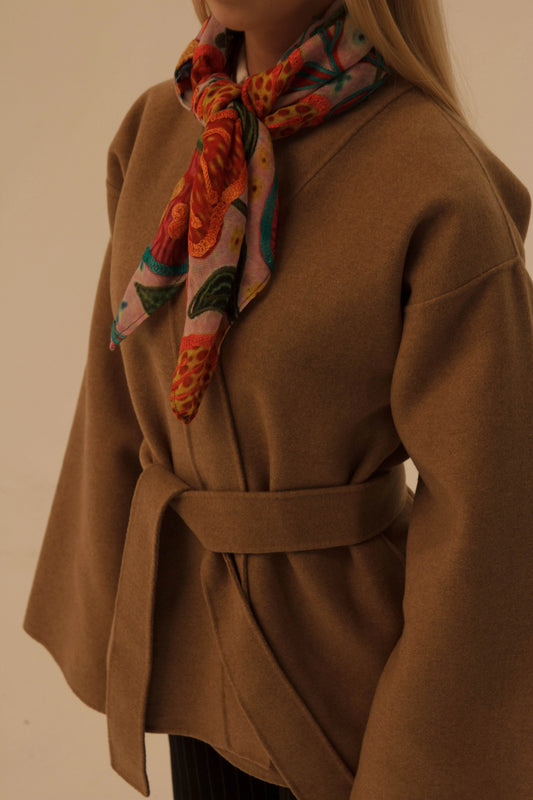
You can feel this if you know what to look for. Hold a garment and assess its weight relative to its size. A quality wool vest at 350 to 400 GSM has noticeable substance in your hands. A vest made from 200 GSM wool in a similar silhouette feels lighter, more provisional, less like something built to last.
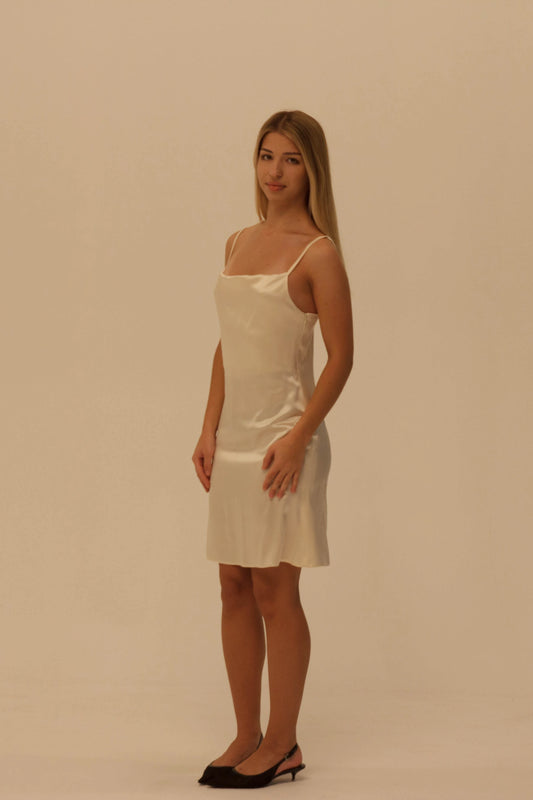
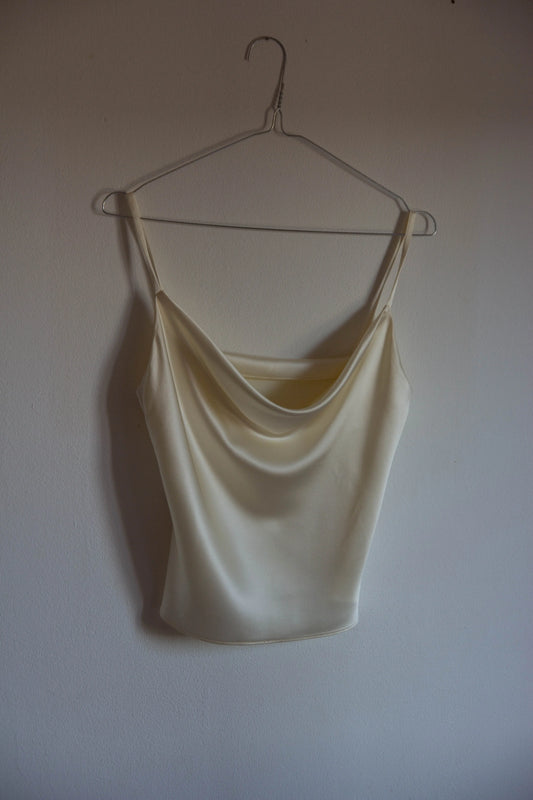
The same applies to silk. A blouse in 16mm to 19mm mulberry silk drapes with a specific weight and fluidity. The same silhouette in 8mm silk looks similar in a photograph and feels entirely different in person, and will look worn within a fraction of the time.
Thin fabric also reveals construction more brutally. A seam that was finished adequately in a heavier fabric becomes visible through a lighter one. A hem that sits neatly in a substantial material pulls slightly in a thin one. The construction shortcuts that heavier fabric can absorb become problems in fabric that has no weight to hide them.

This is why the same garment that looks correct on a website, photographed in controlled conditions with careful styling, can feel disappointing in person. Photography does not capture weight. It does not capture drape or substance or the particular quality of good fabric held in your hands. It captures appearance, which thin fabric can approximate well enough.
Why Price Stopped Being a Reliable Signal
There was a period in which price and quality in fashion tracked each other reasonably closely. A significantly more expensive garment was, in most cases, a significantly better-made one. The correlation was imperfect but real enough to be useful.
That correlation has weakened considerably, for reasons that have more to do with business models than with craftsmanship.
The most significant factor is brand acquisition. The major luxury conglomerates, LVMH and Kering being the largest, have acquired heritage brands and then scaled them substantially beyond what their original production infrastructure supported. The brand's heritage and reputation, built over decades of smaller-scale production, gets attached to a volume of product that the original brand never produced. The name carries the quality signal forward. The product doesn't always follow.
The second factor is that luxury marketing has become sophisticated enough to extend the quality signal to products that don't fully support it. A brand with genuine heritage in leather goods extends its name to ready-to-wear. A house known for couture applies its branding to diffusion lines produced at a fraction of the cost and quality. The name travels. The craftsmanship doesn't necessarily come with it.
The third factor is that buyers have less reference point for quality than they once did. If you have never held a garment with hand-finished seams, you don't know that the one you're holding is missing them. If you have never worn properly weighted silk, you don't know that the blouse in front of you is using fabric that is significantly thinner than it should be. Without a reference point for what correct looks and feels like, price remains the easiest signal to rely on, even when it's pointing at the wrong thing.
What Real Luxury Actually Looks Like
Genuine quality in clothing is specific and learnable. It is not a feeling or an impression. It is a set of observable characteristics that you can identify once you know what to look for.
Fabric weight and substance are the starting point. Pick the garment up before you try it on. A quality wool piece should have density relative to its size. A silk blouse should have a fluid weight when held, not feel weightless and thin. Cashmere should feel dense and soft, not wispy. Weight indicates material. Material indicates longevity.
The interior of the garment tells you more than the exterior. Turn it inside out. What you see in there is what the brand did when they thought you weren't looking. Clean seams, properly pressed and finished, indicate attention throughout the construction process. Overlocked edges left raw, uneven stitching, seams that weren't pressed flat: these indicate the opposite.

The hem is one of the fastest quality indicators available. Look at it from the outside. If you can see a stitch line running along the hem, it was machine-stitched. A hand-stitched hem is invisible from the exterior. Both hold. One holds better, lies flatter, and indicates that someone invested the time to finish the garment correctly.
Buttonholes are another immediate signal. Run your finger across one. A machine buttonhole feels thin and slightly fragile, with thread that sits on the surface of the fabric. A hand-worked buttonhole feels dense and raised, with thread packed closely enough that the edge will not fray regardless of how many times it is used.
Seam allowance, the amount of fabric left beyond the stitch line inside the garment, tells you about the brand's expectations. A generous seam allowance means the garment can be altered if needed and that the seams have enough fabric on either side to absorb stress over time. A narrow seam allowance means neither of these things is true.
How to Evaluate a Garment Before You Buy
The evaluation takes about two minutes once it becomes a habit. These are the specific steps.
Pick up the garment and hold it before trying it on. Assess the weight. Does it feel substantial or thin? A heavy garment is not necessarily better than a light one, but within any given category, quality materials have more weight than cheap ones.
Turn it inside out and look at the seam finishing. You are looking for evidence of care: pressed seams, clean finishing, even stitching. You are looking for evidence of shortcuts: uneven serging, unpressed seams, thin seam allowances that leave no room for adjustment.
Find the hem and look at it from the outside. Can you see a stitch line? If yes, machine-stitched. If not, either blind-stitched by machine (acceptable) or hand-stitched (better). The difference is visible once you know to look.
Check one buttonhole if the garment has them. Rub your finger across it. Does the thread feel dense and secure or thin and slightly fragile?
Look at how the lining is attached, if there is one. Does it have ease built in so it can move with the outer fabric, or is it pulled tight? A lining cut too small pulls against the outer fabric with every movement, which stresses both layers and shortens the life of both.
Finally, feel the fabric against your inner wrist rather than your palm. The inner wrist is more sensitive and gives a more accurate reading of how the fabric will feel against skin during wear. Fabric that feels fine on your palm can feel rough or uncomfortable against skin. The wrist test tells you the truth.
None of this requires expertise in fashion or manufacturing. It requires looking at the garment itself rather than at the brand surrounding it. The garment either shows evidence of care or it doesn't. That evidence is visible if you look for it.
The Simpler Version
Expensive clothing disappoints when the money went to everything except the garment. The store, the marketing, the packaging, the brand infrastructure, the name: all of this costs money that comes from the price you pay, and none of it is in the object you take home.
A garment worth what it costs shows its value in the fabric weight, the construction quality, the finishing detail, and how it performs over years of wear. These things are findable. They exist at various price points and are absent at others. The price alone will not tell you which is which.
Look at the garment. Turn it inside out. Feel the weight. Check the hem. That information is accurate in a way that the brand experience around it is not required to be.
The disappointment of expensive clothing that feels cheap is the experience of having paid for the signal rather than the thing the signal was supposed to indicate. Once you can read the thing directly, you stop needing the signal.
Bradic pieces are made to your measurements in Croatia using materials we specify fully, virgin wool, mulberry silk, grade A cashmere. The construction is visible on both sides of every garment. bradic.eu