How to Spot High-Quality Silk (Before You Buy)
You're shopping for a silk dress, blouse, or scarf. Two garments sit in front of you. Both labels say "100% silk." One costs €150. The other costs €800.
What's the difference? And more importantly, how can you tell which one is actually quality silk worth your money?
The silk market is full of misleading marketing, hidden quality differences, and outright deception. "100% silk" doesn't guarantee quality, it just means the fiber is silk, not how good that silk is. The range between poor silk and exceptional silk is vast, yet both can legally carry the same label.
This guide will teach you exactly what to look for when evaluating silk quality, the technical specifications, physical tests, and red flags that separate genuine luxury silk from disappointing purchases.
Understanding Silk: What Makes It Quality
Silk comes from silkworm cocoons, but that's where simplicity ends. Quality depends on multiple factors:
- Type of silk: Mulberry vs. wild silk varieties
- Momme weight: Fabric density measurement
- Grade: Quality classification (A, B, C, D)
- Weave type: Charmeuse, satin, crepe, chiffon, etc.
- Thread count: Threads per square inch
- Processing quality: How silk is cleaned, dyed, finished
- Country of origin: Traditional silk regions vs. others
Understanding these factors helps you evaluate what you're actually buying.
The Five Key Quality Indicators
1. Momme Weight: The Density Measurement
What it is: Momme (abbreviated mm) measures silk weight and density. It's the weight in pounds of 100 yards of silk that's 45 inches wide.
Why it matters: Higher momme = more silk fibers = denser, more durable, more luxurious fabric.
Quality ranges:
12-16 momme (Lightweight)
- Very thin, often sheer
- Used for linings, lightweight scarves
- Less durable
- Lower cost
- Feels insubstantial
16-19 momme (Standard)
- Light to medium weight
- Common in mass-market silk garments
- Adequate for some applications
- Moderate durability
- Often requires lining for coverage
19-22 momme (Good Quality)
- Medium weight
- Good balance of luxury and practicality
- Decent durability
- Nice drape
- Comfortable opacity
22-25 momme (Premium)
- Substantial weight
- Excellent durability
- Beautiful drape and luster
- Good opacity without lining
- True luxury feel
25-30 momme (Ultra-Premium)
- Heavy, luxurious weight
- Maximum durability
- Rich drape and sheen
- Complete opacity
- Highest quality for garments
- Used by luxury brands
How to check: Quality brands specify momme weight in product descriptions. If it's not mentioned, ask directly. If they won't tell you, it's likely low weight they're hiding.
Red flag: Any silk garment under 16mm for clothing. It'll be see-through, feel cheap, and wear out quickly.
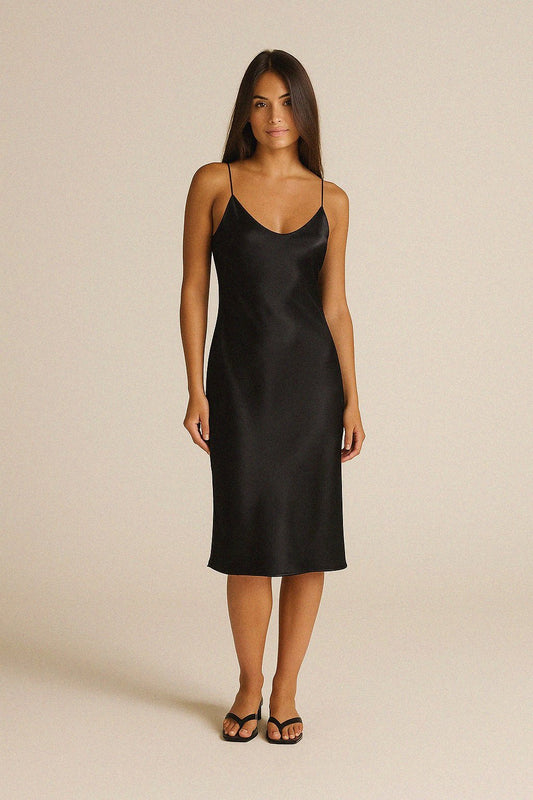
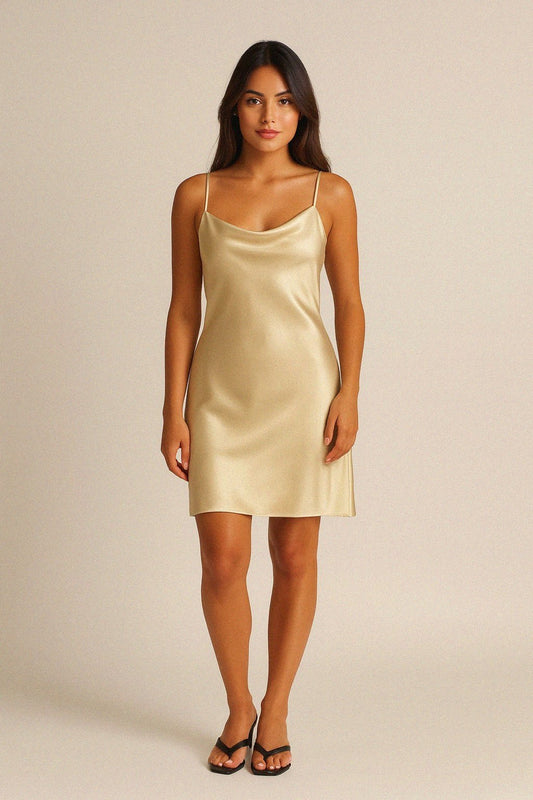
For investment pieces: Look for 22-25mm minimum. High-quality slip dresses use 25mm silk for opacity, drape, and longevity.

2. Silk Type: Mulberry vs. Wild Silk
What it is: The species of silkworm that produced the fiber.
Why it matters: Different silkworms create dramatically different silk quality.
Mulberry Silk (Premium)
Produced by Bombyx mori silkworms fed exclusively on mulberry leaves.
Characteristics:
- Longest continuous filaments (up to 1,600 meters)
- Smoothest, most lustrous silk
- Naturally white or cream colored
- Softest texture
- Most durable
- Easiest to dye uniformly
- Most expensive
Best for: All garments, especially those worn against skin
Tussah/Wild Silk (Lower Quality)
Produced by wild silkworms (Antheraea species) feeding on various trees.
Characteristics:
- Shorter fibers (100-300 meters)
- Coarser texture
- Naturally tan or brown colored
- Less lustrous
- More irregular (slubs common)
- Harder to dye evenly
- Less expensive
Best for: Textured fabrics, rustic aesthetic pieces, home textiles
How to identify: Labels should specify "100% Mulberry Silk" if it's genuine mulberry. Generic "100% Silk" or "Pure Silk" without specifying type is often wild silk or blended.
Price indicator: Mulberry silk costs 2-3x more than wild silk. If the price seems too good for "silk," it's likely wild silk or blend.
3. Silk Grade: The Quality Classification
What it is: An industry grading system (Grades A through D, with 6A being highest) based on fiber quality, processing, and imperfections.
Why it matters: Grade determines longevity, appearance, and how silk ages.
Grade 6A / Grade A (Highest Quality)
- Longest filament fibers
- No impurities or irregularities
- Most uniform color and texture
- Highest luster
- Best durability
- Premium price
Grade B (Good Quality)
- Good fiber length
- Minor imperfections allowed
- Good color uniformity
- Nice luster
- Good durability
- Mid-range price
Grade C (Standard Quality)
- Shorter fibers
- More visible imperfections
- Less uniform color
- Moderate luster
- Moderate durability
- Budget price
Grade D (Low Quality)
- Short fibers
- Many imperfections
- Poor color uniformity
- Dull appearance
- Poor durability
- Very cheap price
How to check: Premium brands advertise "Grade A" or "6A" silk. If grade isn't mentioned, it's likely B or C (not necessarily bad, just not premium).
For investment pieces: Look for Grade A or 6A. The quality difference is visible and tangible.
4. Weave Type and Thread Count
What it is: How silk threads are woven or knit together, and how many threads per square inch.
Why it matters: Weave affects appearance, drape, durability, and feel.
Common Silk Weaves:
Silk Charmeuse (Most Popular)
- Satin weave (shiny front, matte back)
- Beautiful drape
- Luxurious luster
- Smooth, slippery surface
- Best for: Slip dresses, blouses, elegant garments
- Quality marker: High thread count, substantial weight
Silk Satin
- Similar to charmeuse but slightly heavier
- Glossy surface
- Less drape than charmeuse
- More structured
- Best for: Formal wear, structured pieces
- Quality marker: Even sheen, no thin spots
Silk Crepe de Chine
- Subtle crinkled texture
- Matte finish
- Beautiful drape
- Less slippery than charmeuse
- Best for: Blouses, dresses, scarves
- Quality marker: Even texture, good weight
Silk Chiffon
- Very sheer, lightweight
- Airy and delicate
- Soft drape
- Requires lining
- Best for: Overlays, evening wear
- Quality marker: Even sheerness, no slubs
Silk Crepe
- Pebbly texture
- Matte surface
- Excellent drape
- Hides imperfections well
- Best for: Dresses, blouses, trousers
- Quality marker: Uniform texture
Thread count: Higher thread count (400+) indicates tighter weave and better quality. Lower thread count (under 300) means looser, less durable fabric.
How to check: Examine fabric closely. High-quality weave is tight, even, and shows no thin spots or irregularities.
5. Processing and Finishing Quality
What it is: How silk is cleaned (degummed), dyed, and finished after weaving.
Why it matters: Poor processing ruins even premium silk. Good processing enhances and preserves quality.
Quality processing indicators:
Degumming (removing sericin gum):
- Quality: Gentle degumming preserves fiber strength
- Poor: Harsh chemicals weaken fibers, create dull appearance
Dyeing:
- Quality: Fiber-reactive dyes bond permanently, maintain luster
- Poor: Surface dyes wash out, dull the silk, bleed
Finishing:
- Quality: Minimal chemical treatment, soft hand
- Poor: Heavy treatments make silk stiff or overly slippery
How to check:
Smell test: Quality silk smells clean, maybe slightly "silk-like" but not chemical. Strong chemical smell indicates harsh processing.
Feel test: Should feel smooth and soft, not stiff or overly slick. Overly slippery silk has been heavily treated.
Luster test: Hold to light. Quality silk has deep, complex shimmer. Poor silk has flat, surface-level shine.
Physical Quality Tests You Can Do
When examining silk in person, use these hands-on tests:
Test 1: The Touch Test
What to do: Run your hand across the silk surface, then rub between fingers.
What to look for:
- Quality silk: Smooth but with slight natural texture. Cool to touch initially, warms to body temperature. Feels substantial, not flimsy.
- Poor silk: Too slippery (over-processed), or rough/scratchy (low grade or wild silk). Feels too thin or insubstantial.
Why it works: Quality silk has characteristic smooth-yet-textured feel that's instantly recognizable once you know it.
Test 2: The Luster Test
What to do: Hold silk up to light at different angles.
What to look for:
- Quality silk: Complex, shifting luster. Shimmer seems to come from within the fabric. Changes as you move it. Rich depth to the shine.
- Poor silk: Flat, uniform shine. Looks more like plastic sheen than silk shimmer. No depth or complexity.
Why it works: Silk's triangular fiber structure refracts light. Quality silk with long filaments creates complex light play. Poor silk or polyester has simple, surface reflection.
Test 3: The Drape Test
What to do: Hold silk garment by shoulders and observe how it falls.
What to look for:
- Quality silk: Drapes in smooth, fluid folds. Falls elegantly with weight and body. Creates beautiful curves and lines.
- Poor silk: Either too limp (no body) or too stiff (over-processed). Doesn't flow naturally.
Why it works: Quality silk's weight and weave create specific drape characteristics. This is especially important for garments like slip dresses where drape defines the aesthetic.
Test 4: The Transparency Test
What to do: Hold silk up to light source.
What to look for:
- Quality silk (19mm+): Some light comes through but fabric has substance. Weave is tight and even. In 22-25mm silk, transparency is minimal.
- Poor silk: Very sheer, see-through. Thin spots visible. Weave gaps obvious.
Why it works: Reveals fabric density. Low momme weight silk is too transparent for most garments without lining.
Test 5: The Wrinkle Test
What to do: Scrunch small section of silk in your fist for 10 seconds, then release.
What to look for:
- Quality silk: Wrinkles fall out quickly (within seconds to minutes). Silk naturally resists permanent creasing.
- Poor silk: Wrinkles stay deeply creased. Takes long time to release or doesn't release at all.
Why it works: Quality silk has natural elasticity that helps it recover from wrinkling. Poor quality or damaged silk has lost this property.
Test 6: The Weight Test
What to do: Hold garment and assess its weight.
What to look for:
- Quality silk: Has satisfying heft appropriate for size. Feels substantial in hands. Not heavy, but definitely present.
- Poor silk: Feels weightless, insubstantial, like holding air. No presence or substance.
Why it works: Weight directly correlates with momme count. Quality silk garments have proper weight. If it feels like nothing, there's not enough silk in it.
Test 7: The Ring Test (Traditional)
What to do: Try to pull silk scarf or small piece through a wedding ring.
What to look for:
- Quality lightweight silk: Can be pulled through ring due to fine fibers and tight weave
- Note: This test only works for lightweight silk (scarves, chiffon). Heavier silk (charmeuse, satin) won't fit through rings but that doesn't indicate poor quality, just weight.
Why it works: Traditional test demonstrating silk's combination of fineness and strength. More novelty than practical assessment.
Test 8: The Burn Test (Destructive - Last Resort)
What to do: If possible (requires destroying small sample), burn a few threads.
What it works for:
- Real silk: Burns slowly, smells like burning hair (protein smell), self-extinguishes when flame removed, leaves dark ash that crushes to powder
- Polyester "silk": Melts, smells like burning plastic, continues burning after flame removed, leaves hard black beads
Why it works: Silk is protein; polyester is plastic. They burn completely differently.
Important: This destroys fabric, so only use if seller allows or you've already purchased and want to verify.
Understanding Silk Color and Dye Quality
Color reveals processing quality.
Natural Silk Colors
Undyed mulberry silk comes in:
- White/cream (most common)
- Very pale yellow
If silk is these colors and labeled "natural" or "undyed," you're seeing pure silk quality, no dye to hide imperfections.
Advantage: Natural silk shows true fiber quality. It's harder to hide flaws.
Dyed Silk Quality Indicators
High-quality dyeing:
- Rich, even color throughout
- Color doesn't bleed when damp
- Maintains vibrancy after washing
- Subtle color depth variations (indicates careful dyeing)
- No chemical smell
Poor-quality dyeing:
- Uneven, splotchy color
- Color bleeds or transfers when wet
- Fades dramatically after one wash
- Flat, artificial-looking color
- Strong chemical smell
How to test: Dampen white cloth and press against hidden area of silk. If color transfers, dyeing is poor quality.
Price Reality: What Quality Silk Costs
Silk pricing helps indicate (but doesn't guarantee) quality.
Budget Silk (€50-150)
What you get: Likely 12-16mm, wild silk or low-grade mulberry, basic processing
Durability: 1-2 seasons with care
Best for: Experimenting with silk, occasional wear
Worth it?: Only if you understand you're getting entry-level quality
Mid-Range Silk (€150-400)
What you get: 16-19mm mulberry silk, Grade B, decent processing
Durability: 3-5 seasons with proper care
Best for: Regular wear pieces, building silk wardrobe
Worth it?: Yes, good quality-to-price ratio for most needs
Premium Silk (€400-1,000)
What you get: 22-25mm mulberry silk, Grade A, quality finishing
Durability: 7-15 seasons, often longer
Best for: Investment pieces, frequently worn garments
Worth it?: Absolutely, for pieces you'll wear constantly
Luxury Silk (€1,000+)
What you get: 25-30mm mulberry silk, Grade 6A, artisan craftsmanship
Durability: 15-30+ years with proper care
Best for: Heirloom pieces, special garments
Worth it?: If budget allows and you want ultimate quality
Important caveat: Price doesn't guarantee quality (some brands overprice mediocre silk), but genuine quality silk cannot be dirt cheap.
Red flag: If someone's selling a "pure silk dress" for €40, it's either:
- Not actually silk (polyester)
- Wild silk or silk blend
- 12mm or lower quality
- Seriously flawed
Red Flags: Signs of Poor Quality Silk
Avoid these warning signs:
"Silk blend" or "silk-like": Not pure silk, usually mostly polyester
No momme weight specified: They're hiding low weight
"Satin" without "silk satin": Probably polyester satin, not silk
No silk type specified: Likely wild silk, not mulberry
Suspiciously low price: Real silk has production costs
Very thin/transparent: Low momme weight, poor quality
Scratchy or overly slippery: Poor grade or over-processed
Strong chemical smell: Harsh processing damaged fibers
Flat, plastic-like sheen: Not real silk or very poor quality
Uneven weave with visible thin spots: Poor manufacturing
Won't answer quality questions: Hiding something
"Machine washable silk": Heavily treated, compromised quality (though some quality brands now offer this)
Green Flags: Signs of Quality Silk
Look for these positive indicators:
"100% Mulberry Silk" clearly stated: Shows confidence in material
Momme weight specified (22-25mm ideal): Transparency about quality
Grade A or 6A mentioned: Premium quality indicator
Charmeuse or high-quality weave specified: Proper construction
Origin disclosed: "Italian silk," "Chinese mulberry silk"
Care instructions included: Quality brands help you maintain products
Substantial weight when held: Proper momme count
Complex, deep luster: Real silk shimmer
Smooth but natural texture: Not over-processed
Clean, silk smell: Proper processing
Realistic pricing: Not suspiciously cheap or gratuitously overpriced
Transparent brand: Shares production details, material specifications
Strong reviews mentioning durability: Real customers confirm longevity
Common Silk Marketing Tricks
Be aware of misleading language:
"Silk satin" vs. "Satin"
- "Silk satin" = silk fiber in satin weave (good)
- "Satin" alone = usually polyester satin (not silk)
"Pure silk" vs. "100% Mulberry Silk"
- "Pure silk" = could be wild silk, low grade
- "100% Mulberry Silk" = specifies premium type
"Silk feel" or "Silk-like"
- Not silk at all, usually polyester
"Silk blend"
- Contains some silk, but mostly other fibers (usually polyester)
- Often only 30-50% silk
"Washable silk"
- Can be quality, but often means heavily treated
- Ask about momme weight and grade
"Charmeuse"
- This is a weave type, not a quality indicator
- Can be polyester charmeuse (not silk at all)
- Must say "silk charmeuse" to be silk
Silk by Garment Type: What to Look For
Silk Slip Dresses
Minimum quality: 22mm mulberry silk
Ideal: 25mm Grade A silk charmeuse
Why: Needs opacity, drape, durability
Red flag: Anything under 19mm (will be see-through)
Silk Blouses
Minimum quality: 19mm mulberry silk
Ideal: 22mm Grade A silk charmeuse or crepe
Why: Needs structure and durability for wear
Red flag: Wild silk (too rough for blouses)
Silk Scarves
Minimum quality: 12-16mm acceptable here
Ideal: 16-19mm mulberry silk
Why: Lightweight is appropriate, less wear stress
Red flag: Poor dye quality (will fade fast)
Silk Pajamas
Minimum quality: 19mm mulberry silk
Ideal: 22mm Grade A silk
Why: Worn against skin, washed frequently
Red flag: Under 16mm (won't last)
Silk Pillowcases
Minimum quality: 19mm mulberry silk
Ideal: 22-25mm Grade A
Why: Nightly friction requires durability
Red flag: Low momme (pills and wears quickly)
Making the Investment Decision
When considering a silk purchase, ask:
Quality questions:
- Is it 100% mulberry silk?
- What's the momme weight? (22-25mm ideal for garments)
- What grade is it? (A or 6A preferred)
- What's the weave? (Charmeuse, satin, crepe?)
- Where is it from? (Origin specified?)
- Does it pass physical tests? (weight, luster, drape)
Practical questions:
- Will I wear this frequently?
- Is it a timeless piece or trend?
- Can I care for it properly?
- Does price reflect quality?
- Does it fit my wardrobe?
Purchase protection:
- Is there a return policy?
- Are there reviews confirming quality?
- Is brand transparent about materials?
- Can I verify claims?
If you can answer yes to most questions, you're likely buying genuine quality silk.
Final Checklist: Before You Buy Silk
Must verify:
- Label says "100% Mulberry Silk" (not just "silk")
- Momme weight disclosed (22-25mm ideal)
- Feels substantial, not flimsy
- Has complex luster, not flat shine
- Drapes beautifully
- Price reflects quality (not suspiciously cheap)
Good to verify:
- Grade specified (A or 6A)
- Weave type specified
- Origin disclosed
- Care instructions included
- Brand transparent about quality
In person:
- Touch test: smooth, cool, substantial
- Luster test: complex shimmer
- Weight test: satisfying heft
- Drape test: fluid, elegant fall
- Smell test: clean, no chemical odor
Research:
- Brand reputation for silk quality
- Customer reviews mention durability
- Transparent about sourcing
- [Responsive to quality questions
Conclusion: Quality Silk Is Worth Finding
Silk quality varies enormously. The difference between 12mm wild silk and 25mm Grade A mulberry silk is the difference between disappointment and luxury.
Now you know what to look for:
- Mulberry silk (not wild silk)
- 22-25mm momme weight
- Grade A or 6A
- Quality weave (charmeuse, satin, crepe)
- Proper processing and finishing
You know the physical tests (touch, luster, drape, weight) and red flags to avoid.
Learn more about silk care in our full guide — How to Care for Silk
Armed with this knowledge, you can confidently invest in silk pieces that will serve you beautifully for years, even decades.
That's the silk worth buying.