Why Fabric Weight Matters More Than Fabric Composition
Miron Bradic"100% wool" is on the label. So is "100% wool" on the coat next to it. One costs three times more and lasts four times longer. The label doesn't explain why. Fabric weight does.
Most people shopping for clothing treat fiber composition as the primary quality indicator. If it says 100% cashmere, it must be good cashmere. If it says 100% silk, it must be good silk. If it says 100% wool, it must be good wool.
This is understandable. Fiber content is what the label discloses. It is the information available at the point of purchase. And it is genuinely relevant, a garment in natural fiber is better than an equivalent garment in synthetic for most purposes.
But fiber content is the starting point of quality evaluation, not the conclusion. Two garments with identical fiber content can perform so differently that they have almost nothing meaningful in common. The variable that most often explains the difference is fabric weight.
What Fabric Weight Actually Measures
Fabric weight is measured in GSM: grams per square meter. It tells you how much material is present in a given area of fabric. More material per square meter means more fiber, more yarn, more structure. Less material means the opposite.
For silk specifically, weight is measured in momme (mm): the weight of a standard length of fabric at a standard width. Higher momme means heavier, denser silk.
Weight is not the same as thickness, though they correlate. A high-GSM fabric can be dense and relatively thin. A low-GSM fabric can be loosely structured and feel bulkier than its weight suggests. What GSM measures is material density, how much fiber is actually present in the fabric, not how thick it appears.
This distinction matters because material density is what determines performance. A fabric with more fiber per square meter has more thread interlocking, more material to resist abrasion, more structure to hold its shape, and more mass to produce correct drape. These properties do not come from the fiber type. They come from how much of that fiber is in the fabric.
Why 100% Anything Is Not Enough Information
Take wool as the clearest example.
A wool coat at 180 GSM and a wool coat at 400 GSM are both 100% wool. They will both say 100% wool on the care label. In a product photograph, they may look nearly identical.
In practice they are different objects. The 180 GSM coat lacks the mass to hold its silhouette across a full day of wear. It loses shape at the shoulders after sitting. It wrinkles visibly and does not recover well. It provides limited insulation because there is not enough fiber density to trap air effectively. It shows wear at high-friction points, collar, cuffs, elbows, within one or two seasons.
The 400 GSM coat holds its structure because it has the mass to do so. The increased fiber density means more interlocking thread, which resists deformation. The weight gives it drape: the coat falls correctly because it has enough mass to move with gravity rather than floating away from the body. The thermal performance is significantly better. The surface resists pilling and abrasion because there is more material for friction to work through before reaching the underlying yarn.
Same fiber content. Profoundly different garment.
The Reference Ranges Worth Knowing
These are not arbitrary thresholds. They reflect what garments in each category need to perform correctly over years of wear.
Wool and cashmere outerwear:
|
GSM range |
Performance |
|
Below 200 GSM |
Insufficient for outerwear. Will lose shape quickly, minimal insulation, shows wear fast. |
|
200-280 GSM |
Light outerwear, transitional seasons. Acceptable for mild climates, limited durability. |
|
280-350 GSM |
Good all-season coat weight. Holds structure, reasonable longevity. |
|
350-450 GSM |
Quality outerwear standard. Strong structure, excellent drape, long lifespan. |
|
450+ GSM |
Heavy outerwear, double-faced construction. Maximum structure and warmth. |
Wool suiting and tailoring:
|
GSM range |
Performance |
|
Below 180 GSM |
Summer suiting only. Will not hold structure in regular wear. |
|
180-240 GSM |
Light suiting, warm climates. Limited shape retention. |
|
240-320 GSM |
Standard suiting weight. Good structure for most conditions. |
|
320-400 GSM |
Heavy suiting. Excellent structure, cooler climates. |
Silk:
|
Momme weight |
Performance |
|
Below 12mm |
Very lightweight. Appropriate for scarves and linings only. Wears out quickly as garments. |
|
12-16mm |
Lightweight garments. Acceptable for occasional wear blouses. Shows wear within a few seasons of regular use. |
|
16-19mm |
Mid-weight. Good for blouses and some dresses. Reasonable longevity with correct care. |
|
19-22mm |
Quality garment weight. Correct drape, good durability. Appropriate for investment pieces. |
|
22-25mm |
Premium weight. Best drape, maximum durability, appropriate for slip dresses and statement pieces. |
Cashmere knitwear:
Cashmere knitwear is measured differently from woven fabric, but comparable weight standards apply. A cashmere sweater that feels wispy and lightweight in your hands is using less material per area than one that feels substantial. The heavier piece will retain its shape better, pill less, and last longer, all else being equal in fiber quality.
Why Light Fabrics Get Sold as Premium
If fabric weight is so clearly correlated with quality, why do expensive brands sell lightweight fabrics at high prices?
Several reasons, and it helps to understand each of them.
Photography does not capture weight. A 14mm silk blouse and a 22mm silk blouse can look nearly identical in a product photograph. The drape difference, the way heavier silk moves differently, the way it catches light differently, none of this translates to a flat image. Buyers purchasing online cannot evaluate weight, which reduces the pressure on brands to use heavier materials.
"Lightweight" is successfully marketed as a luxury quality. The idea that refined things are light and delicate has been embedded in luxury marketing for decades. A lightweight cashmere is presented as a feat of craftsmanship, something so fine it barely exists. This is not entirely false: spinning extremely fine yarn requires skill. But the marketing obscures the fact that lightweight cashmere at low GSM performs significantly worse in daily wear than heavier cashmere at adequate GSM.
Lower weight reduces material cost directly. Fabric is typically sold by weight or by meter at a price per meter that reflects the GSM. A coat in 200 GSM wool uses roughly half the material cost of the same coat in 400 GSM wool. At scale, across a production run of thousands of coats, this saving is substantial. The retail price does not decrease proportionally.
Consumers have lost their reference points. If you have never held a quality 400 GSM wool coat, you do not know that the 220 GSM coat in front of you is underweight for the category. The depletion of reference points across generations of buyers who have primarily interacted with mass-market clothing makes it easier to sell lightweight fabric as standard.
How Weight and Fiber Quality Interact
Fabric weight and fiber quality are independent variables that both need to be correct. Getting one right without the other produces a garment that fails a different test.
High-quality fiber at low GSM: The fiber is excellent but there is not enough of it. A coat made from Grade A cashmere at 15 microns but 160 GSM has the softest possible material present in insufficient quantity. It will feel luxurious to the touch and fail structurally within seasons. The fiber quality cannot compensate for inadequate weight.
Adequate GSM with low-quality fiber: Enough material is present but the material itself is compromised. A coat at 380 GSM from short-staple wool with coarse micron count has the mass to hold its shape and the surface will resist deformation, but the fiber will pill aggressively and the surface will develop a worn appearance faster than longer-staple, finer-micron wool at the same weight.
Both correct: This is what produces a garment that justifies the investment. Long-staple, fine-micron fiber at adequate GSM is the specification that produces performance across years rather than seasons.
The practical implication: when evaluating any garment, ask about both. What is the fiber specification (micron count for cashmere and wool, momme weight for silk, staple length for any fiber)? And what is the fabric weight (GSM)?
A brand confident in both will answer both questions. A brand confident in neither will answer neither. A brand confident in one but not the other will answer the one question and deflect the other.
The Physical Tests Available at the Point of Purchase
Not every buyer can ask for specifications or will receive honest answers. Physical assessment provides useful information when specification disclosure is unavailable.
The weight test. Hold the garment in your hands before trying it on. For a coat or structured jacket, it should feel substantial relative to its size. A coat that feels nearly weightless is underweight for the category. This test is not precise, it does not give you a GSM figure, but it distinguishes clearly between adequate and inadequate weight for most people after handling a few garments.
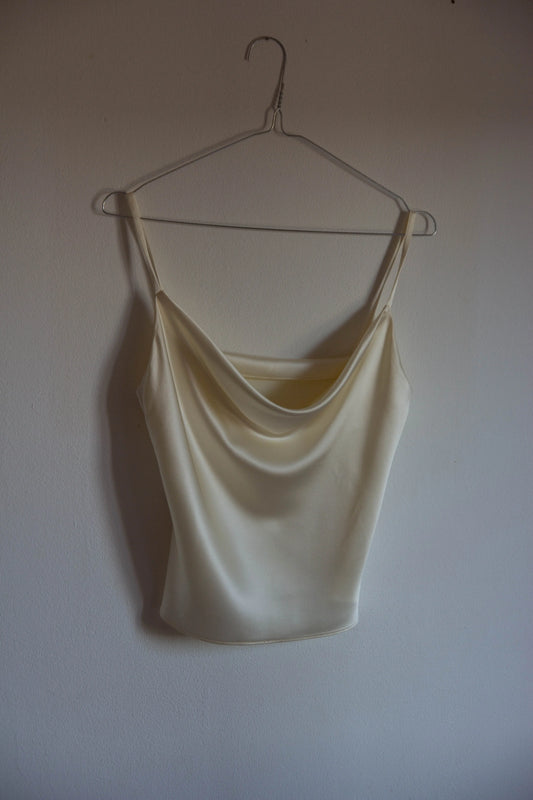
The drape test. Hold the garment up by the shoulders and observe how it falls. Heavy silk at correct momme weight falls with a fluid, weighted movement. Light silk floats and moves erratically. Heavy wool falls cleanly and holds its line. Light wool drifts and lacks definition. The drape is a direct consequence of fabric mass: heavier fabric moves under gravity more decisively.
The transparency test. Hold the fabric up to light. Lightweight fabric transmits more light than heavy fabric. A coat fabric through which you can see your hand clearly is underweight for outerwear. A silk blouse through which every undergarment detail is visible is underweight for regular wear. Some transparency in lightweight summer pieces is expected and correct; significant transparency in what is presented as a quality garment is not.
The recovery test. Scrunch a section of the fabric in your fist for ten seconds, then release. Heavyweight, quality fabric recovers relatively quickly due to its density. Lightweight fabric holds the crease longer because there is less material mass to pull the fibers back into alignment. This test also reveals fiber quality, which interacts with weight, but weight is a significant factor in recovery behavior.
The sound test for silk. Quality heavy silk makes a specific sound when handled: a rustling, almost papery sound sometimes called scroop, produced by the friction of silk filaments against each other. This sound is more pronounced in heavier silk and nearly absent in very lightweight silk or polyester satin. Rub two layers of the fabric gently between your fingers near your ear.
What This Means for Evaluating Specific Categories
Wool and cashmere coats: Do not buy a coat you cannot pick up and feel the weight of. The weight should feel meaningful relative to the size of the garment. If you are purchasing online, ask for the GSM. Anything below 300 GSM in a coat described as quality or investment outerwear warrants scrutiny.
Cashmere knitwear: Hold the sweater folded in your hands. It should feel dense and slightly heavy for its size, not wispy. A cashmere sweater that feels insubstantial in your hands does not have enough material in it to perform correctly over seasons.
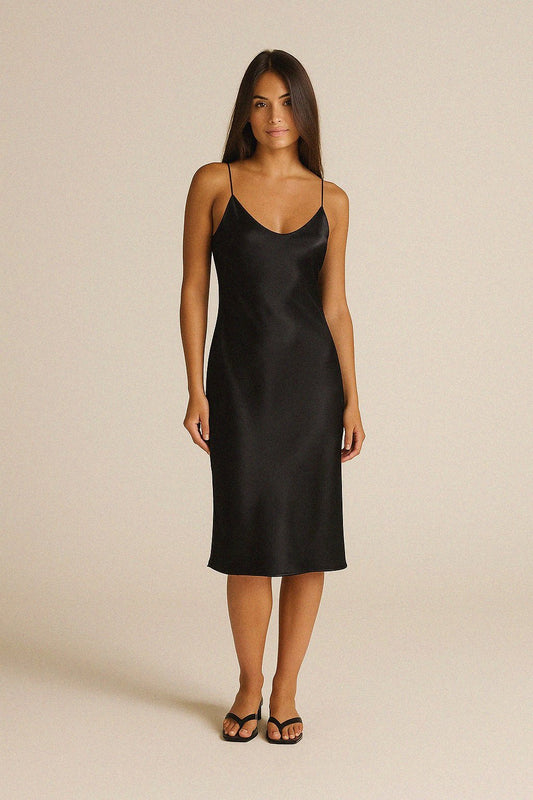
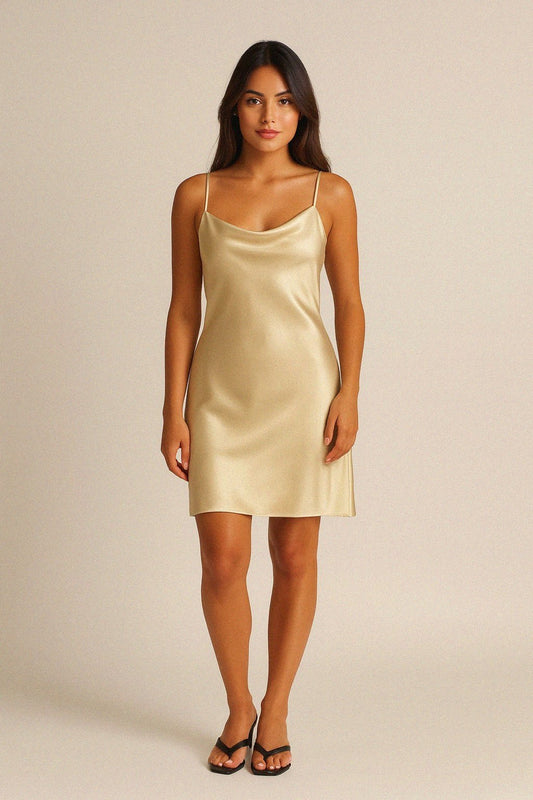
Silk blouses and dresses: If the brand does not disclose momme weight, the silk is probably below 16mm. Quality silk producers disclose momme weight because it supports the price. Ask directly. For a slip dress or blouse intended for regular wear over years, 19mm is the minimum worth considering. For investment pieces, 22mm to 25mm.
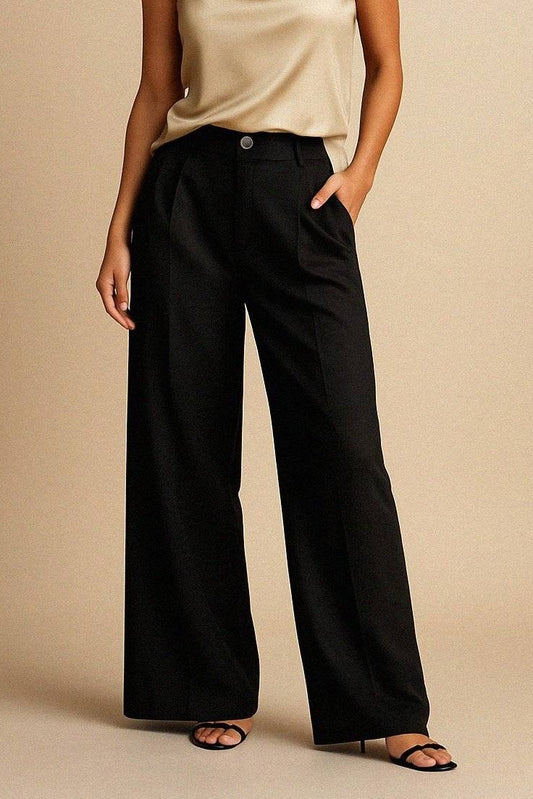
Wool suiting and trousers: The fabric should feel structured when held flat. It should not flop or collapse immediately under its own weight. A quality suiting weight holds a slight resistance when you try to deform it by hand. Very lightweight suiting fabric offers almost no resistance and will not hold a trouser crease or jacket line across a day of wear.
The Simple Version
Fiber content tells you what a fabric is made from. Fabric weight tells you how much of it is there.
Both matter. But of the two, most buyers already know to look at fiber content, and almost nobody checks fabric weight. The result is that weight, which is directly and measurably correlated with longevity, structure, drape, and thermal performance, is systematically undervalued in purchasing decisions.
The coat that holds its shape for fifteen years and the coat that loses it after two seasons can share the same care label. The difference between them is almost always visible if you pick them up: one has weight and the other does not.
Pick things up before you buy them. The weight in your hands is the information the label is not giving you.